Afghan Girls' Education Dreams Dashed by Persistent Ban
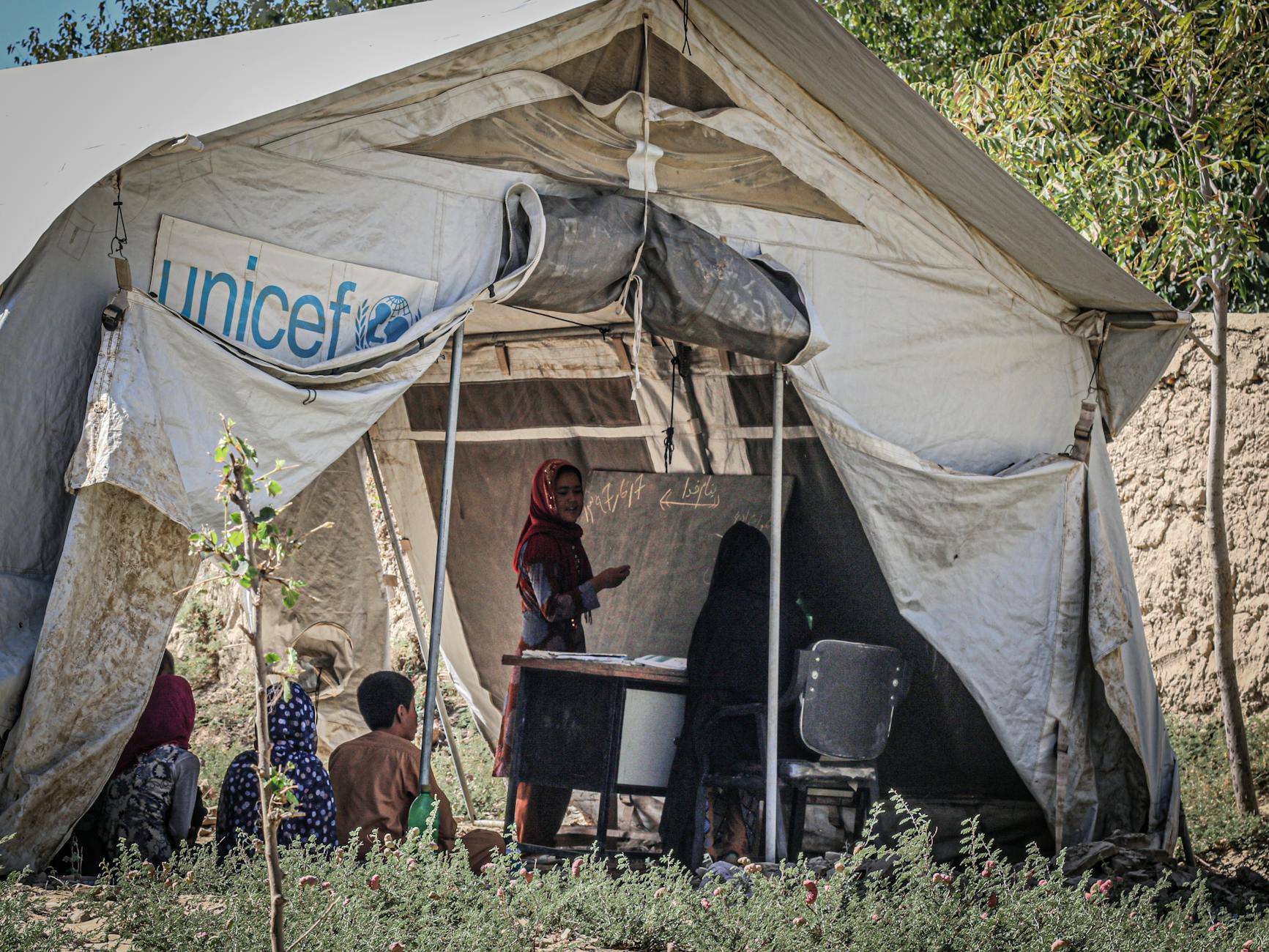
In Kabul, the sound of children's laughter in schoolyards has become a distant memory for Afghan girls. Five years ago, the Taliban's ban on female education shattered their aspirations, casting a long shadow over their futures. Despite global condemnation, the policy remains steadfast, a reminder that their dreams are secondary in the eyes of their rulers.
UNICEF, alongside other humanitarian organisations, continues its valiant efforts to provide educational support. In 2025 alone, over 3.7 million children received some form of emergency support, with community-based learning initiatives reaching 442,000 children—two-thirds of them girls. Yet, these efforts, while commendable, are but a drop in the ocean of need.
A Policy of Exclusion
The Taliban's education ban is not a temporary measure. It is rooted in a rigid ideological framework, one that places little value on the empowerment of women through education. This policy has left Afghan girls with limited options, their potential stymied by edicts from a leadership that views their education as a threat.
For many, the ban has meant seeking international refuge, citing the denial of education as a basis for asylum claims. Evidence suggests these claims are well-founded, though the journey to a safer, more promising future is fraught with difficulty.
The Wider Implications
Beyond individual dreams, the education ban poses a significant challenge to Afghanistan's socio-economic development. An entire generation of women is being sidelined at a time when their country desperately needs their contribution. In a world increasingly defined by technological and educational advances, Afghanistan risks being left behind, held back by policies that fail to recognise the value of half its population.
The international community faces a moral imperative to continue advocating for Afghan girls' rights to education. While organisations like UNICEF can provide some relief, lasting change will require a concerted effort to challenge the status quo and support those who strive for a future where Afghan girls can learn, grow, and contribute to their society.