Afghan Girls Face Education Crisis Amidst Restrictive Ban
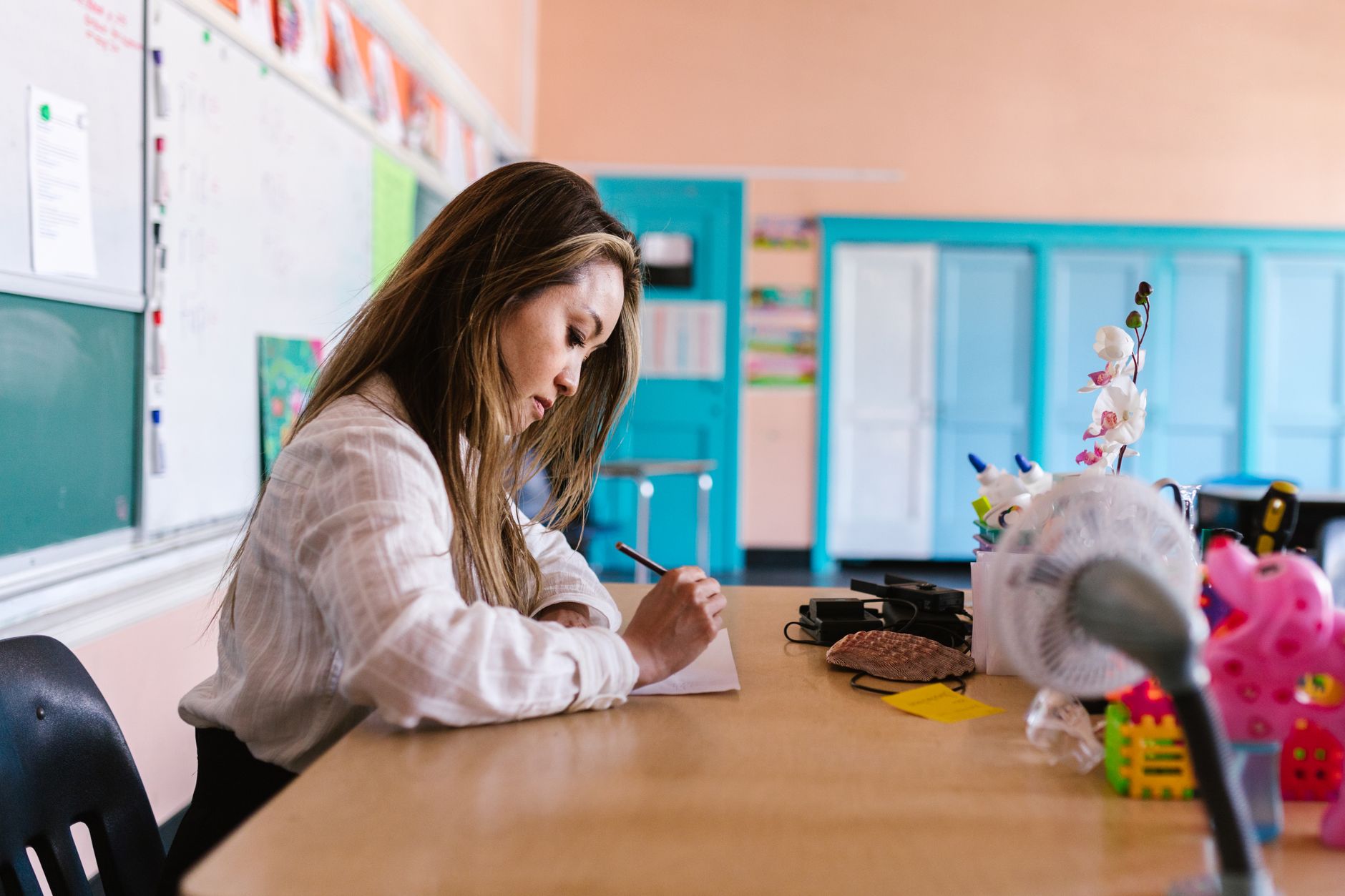
In the shadow of Kabul's rugged mountains, Alia sits quietly, her dreams of becoming a doctor now a distant mirage. The education ban imposed by Afghanistan's ruling authorities has turned the aspirations of countless girls into mere whispers of what could have been. For Alia, and millions like her, the possibilities have narrowed to a suffocating path where marriage seems the only viable future.
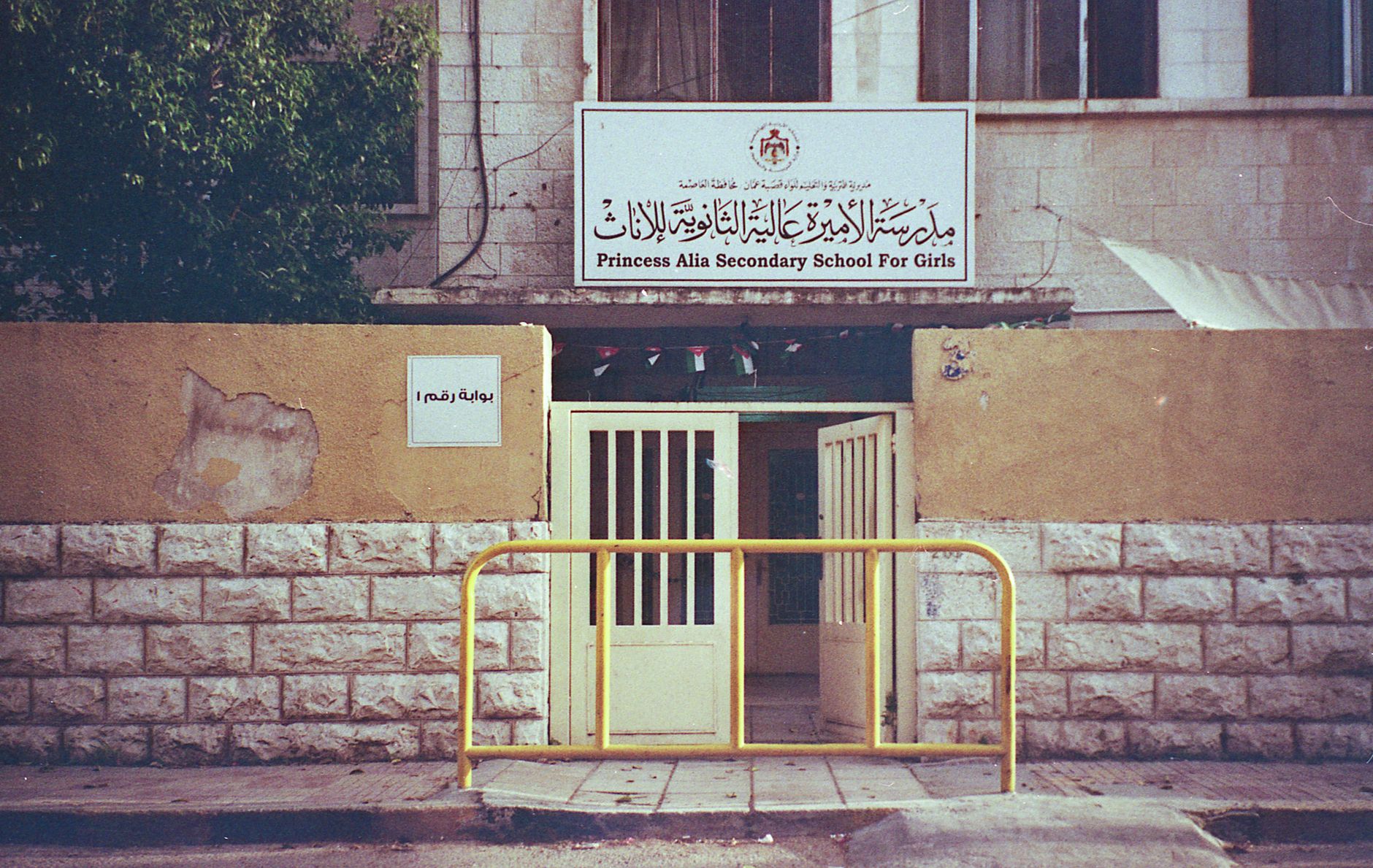
The ban, which prevents girls from attending secondary school, has excluded approximately 2.2 million adolescent girls from the classroom. The repercussions are stark, as the United Nations and other international bodies have lamented the loss of potential and the regression of women's rights. The UNAMA's recent commemoration of a pioneering Muslim woman who founded one of the world's oldest universities only underscores the bitter irony of the current situation.
While some families, like Alia's, can afford to explore alternative avenues such as private tutoring or religious education, these are luxuries beyond the reach of most. In a country where three-quarters of the population struggle to meet basic needs, education is a distant dream for the many.
The broader impact of this ban is also felt among boys, with their enrolment in higher education plummeting by 40 percent since 2019. The stagnation of educational development threatens to destabilise the country's future, leaving an entire generation without the skills needed to rebuild their nation.
International condemnation has been swift, yet the policy remains firmly in place. The path forward is uncertain, but for Alia and her peers, the hope is that global pressure might eventually bring about change. Until then, they wait, their dreams deferred, in a country that once promised more.