Afghan Girls Face Grim Future as Education Ban Persists
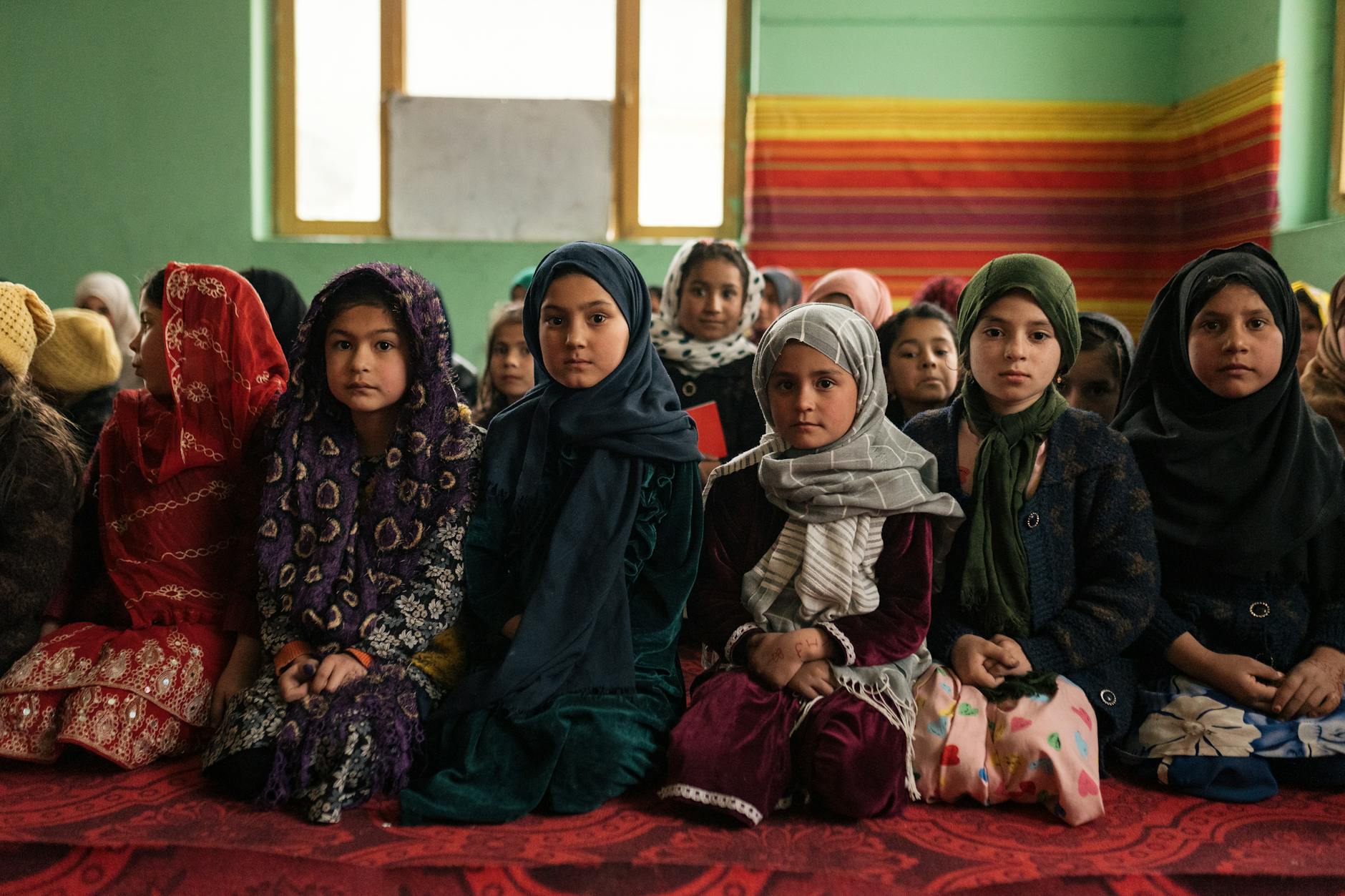
In the shadows of Kabul's bustling streets, a quiet crisis is unfolding. For nearly five years, Afghan girls have faced an unyielding ban on education. Their dreams of becoming doctors, teachers, or engineers have been reduced to mere whispers of hope. The Taliban government's edict, which prevents girls from attending school beyond primary level, has all but eliminated their chances of a future beyond domestic confines.
This policy, driven by a strict interpretation of Islamic law, has not only stifled aspirations but also left millions with little choice but to marry young. The United Nations warns that if the ban persists until 2030, over two million girls will be deprived of education beyond primary school. This deprivation is not just a personal tragedy for the girls involved but a significant setback for Afghan society as a whole.
The Impact on Society
Education is a cornerstone of any society's development, and the exclusion of girls from this fundamental right spells doom for Afghanistan's socio-economic progress. Educated women play a crucial role in the workforce, contribute to the economy, and are essential in breaking the cycle of poverty. Without access to education, these contributions are lost, and the country remains trapped in a cycle of underdevelopment.
The international community has raised its voice against this ban, yet the Taliban remains unmoved. Activists within the country have taken to the streets, risking arrest to demand change. Their voices, however, are drowned out by the regime's unrelenting policies.
A Future in Balance
For many Afghan families, the choice is stark: keep their daughters at home, or marry them off in hopes of a better life. This bleak dichotomy underscores the broader systemic issues facing the nation. As the world watches, the question remains whether Afghanistan will heed the calls for reform or continue down its current path.
The plight of Afghan girls is a poignant reminder of the fragility of women's rights and the ongoing struggle for equality worldwide. As long as the ban persists, the dreams of a generation remain deferred, their potential untapped, and their futures uncertain.