Afghan Girls Face Grim Future as Education Ban Persists
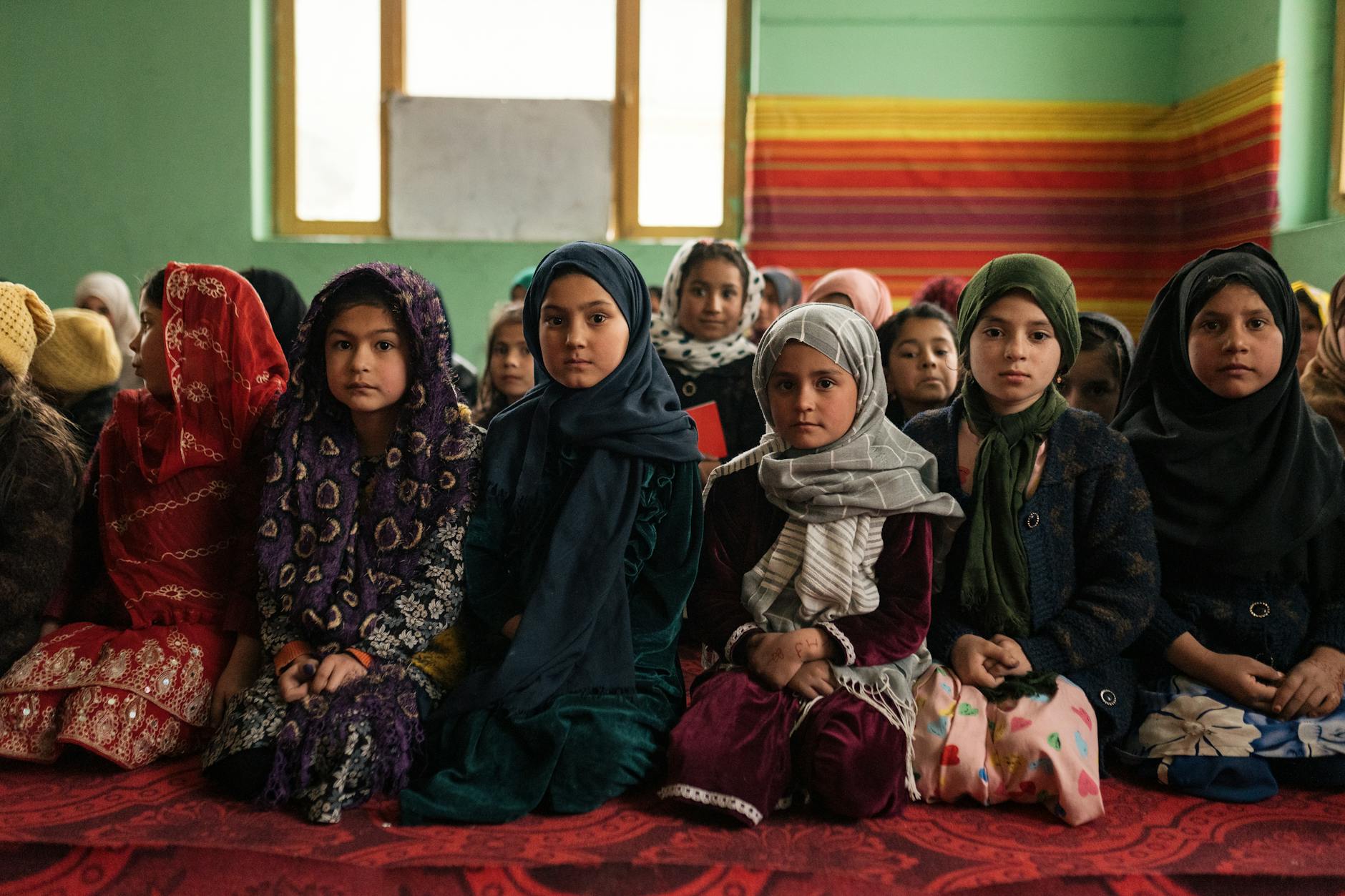
In a dusty Kabul street, Alia stands with a placard, her voice echoing with a determined plea: 'Let us learn.' This is not merely a demand for education; it is a cry for a future. For girls in Afghanistan, the closure of educational doors has meant that the paths once leading to careers and independence now funnel towards early marriage and domestic life.
The Taliban's prohibition on girls' education past primary school has cast a long shadow over Afghanistan. While some religious instruction remains available, the opportunities are scant and often inaccessible to the majority. Alia is among the few who, due to her family's relative affluence, has managed to eke out a semblance of continued learning. Her story, however, is far from typical in a nation where poverty prevails.
A Country in Crisis
The impact of these restrictions is profound. According to UNICEF, millions of Afghan girls are being denied the chance to attend secondary school, a situation that not only stifles individual potential but also hinders the nation's progress. Education is a critical lever for development, and its absence perpetuates cycles of poverty and gender inequality.
Protests have erupted sporadically across the country, with women and girls standing defiantly in front of the Ministry of Education in Kabul. Their demands are simple yet powerful: reopen the schools. However, these calls have largely fallen on deaf ears within the Taliban regime, which remains steadfast in its conservative interpretation of Islamic law.
The Human Cost
The human cost of this educational embargo is staggering. In a society where three-quarters of the population struggle to meet basic needs, education was one of the few routes to improved circumstances. Without it, young women face limited choices, often coerced into marriages that further truncate their potential.
International organisations and human rights groups have repeatedly condemned the ban, urging global leaders to apply pressure on the Taliban to reverse their policies. Yet, with Afghanistan's geopolitical isolation and ongoing humanitarian crises, change seems a distant prospect.
For Alia and countless others, the hope for education remains a flicker in the dark. As they continue their struggle for the right to learn, the world watches, and the question lingers: will their voices be enough to turn the tide?