Afghan Girls Face Stark Future as Education Bans Persist
In the dusty streets of Kabul, a silent revolution is brewing. While the Taliban's decrees have kept school doors shut for millions of Afghan girls, the thirst for knowledge refuses to be quenched. For four years now, the ban on secondary education for girls has been a grim reality, and the hope of returning to classrooms seems to dwindle with each passing day.
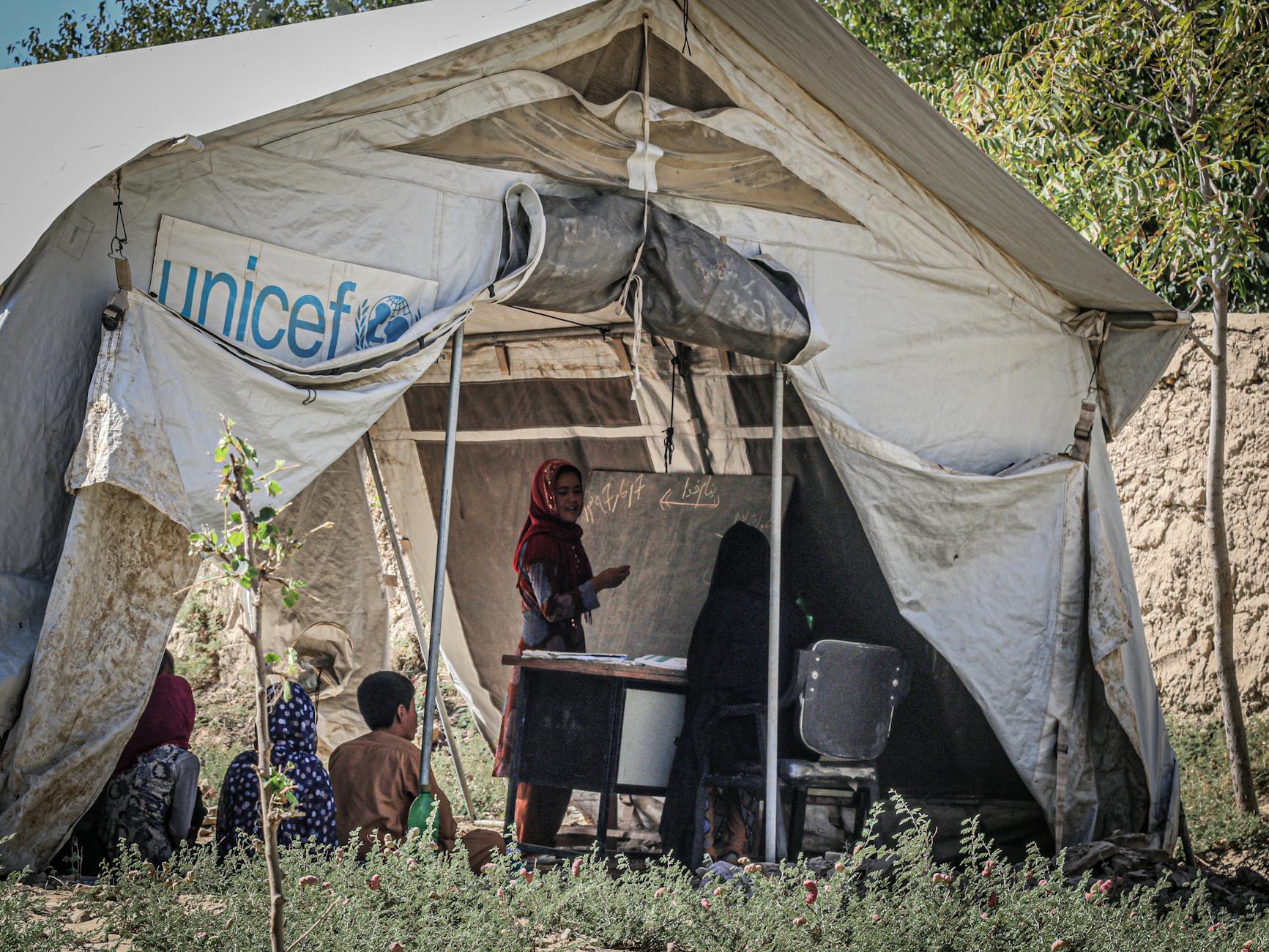
The Taliban's regime, having seized power in August 2021, has issued over 70 decrees, many of which systematically dismantle the rights of women and girls. Education, seen as a gateway to empowerment, was among the first casualties. Yet, the resilience of Afghan women is palpable. Community-based learning initiatives are sprouting in pockets across the country, supported by organisations like UNICEF, which provided emergency educational support to 3.7 million children, predominantly girls, in 2025 alone.
Enduring Legacy of Exclusion
Despite international condemnation, the Taliban's ideological adherence to these bans is unwavering. Recent analyses suggest that this is not a temporary measure but a permanent policy deeply rooted in their worldview. Consequently, Afghan girls seeking asylum on the grounds of educational denial have found robust support for their claims. However, this does little to alleviate the immediate crisis within the country.
The socio-economic repercussions of such exclusion are dire. A UNICEF report warns that by 2030, Afghanistan could lose up to 20,000 women teachers and 5,400 healthcare workers. This potential brain drain poses a significant threat to the nation's already fragile infrastructure, further isolating Afghanistan from global progress.
Hope Amidst Adversity
Yet, amidst these challenges, hope flickers. Grassroots movements and clandestine classes led by brave women educators continue to defy the odds. Their quiet defiance symbolises a profound belief in the transformative power of education. For many, it is not just about learning to read or write but preserving a sense of identity and hope.
The international community, while vocal in its disapproval, faces the complex task of balancing diplomatic engagement with principled stands on human rights. The future remains uncertain, but the indomitable spirit of Afghan women and girls ensures that the fight for education is far from over.