Afghanistan's Daughters: A Future Denied by Education Ban
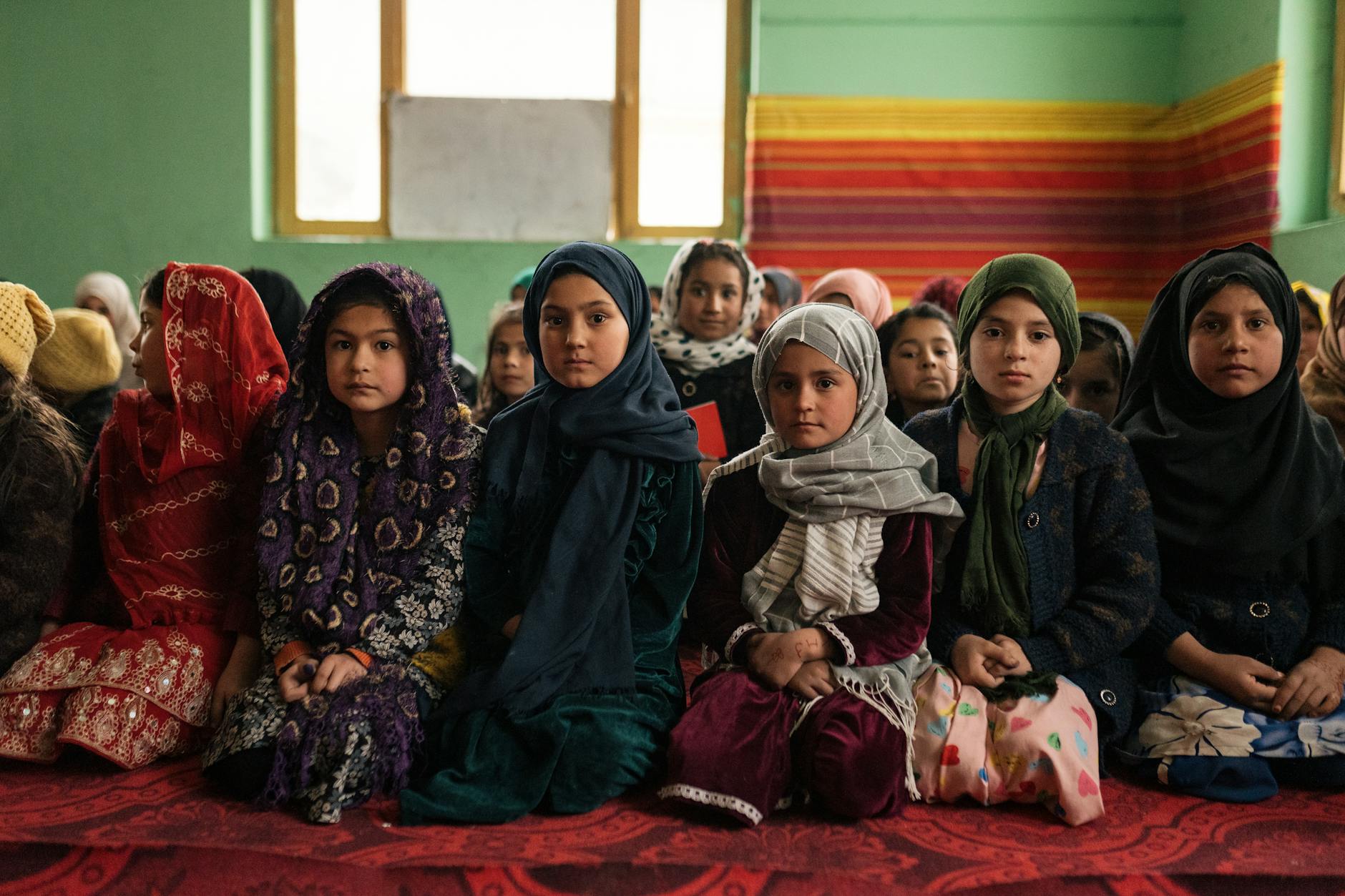
In the bustling streets of Kabul, a quiet desperation lingers among young women like Alia, who can only dream of a future once within reach but now seemingly unattainable. Since the Taliban's return to power nearly five years ago, the ban on girls' secondary education has cast a long shadow over their aspirations.
Alia's story is a testament to both privilege and perseverance. Her family, unlike many, can afford to support her pursuit of religious education, one of the few avenues left open. Yet, her path is not just unusual but also rare in a nation where three-quarters of the population struggle to meet basic needs.
Protests and Defiance
Despite the oppressive policies, defiance simmers beneath the surface. Protests have erupted sporadically, with women and girls demanding the reopening of high schools. One such protest took place outside the Ministry of Education in March 2022, where demonstrators chanted for change in the face of adversity.
The international community has expressed condemnation, yet the situation remains largely unchanged. The Taliban's stance on education reflects broader issues of gender inequality, leaving a generation of Afghan girls with limited choices.
Marriage as the Sole Option
For many, the path forward narrows to a single, inevitable choice: marriage. With education cut off, young women are fast-tracked into matrimony, often before they are ready. This societal shift not only impacts individual futures but also the fabric of Afghan society as a whole.
The education ban is more than a policy; it's a profound symbol of the ongoing struggle for women's rights in Afghanistan. As the world watches, the resilience of Afghan girls like Alia highlights both the personal and collective cost of such restrictions.
The question remains whether global pressure can influence change, or if Afghanistan's daughters will continue to pay the price for a conflict they did not start.