AI and Smart Classrooms: India's Educational Revolution
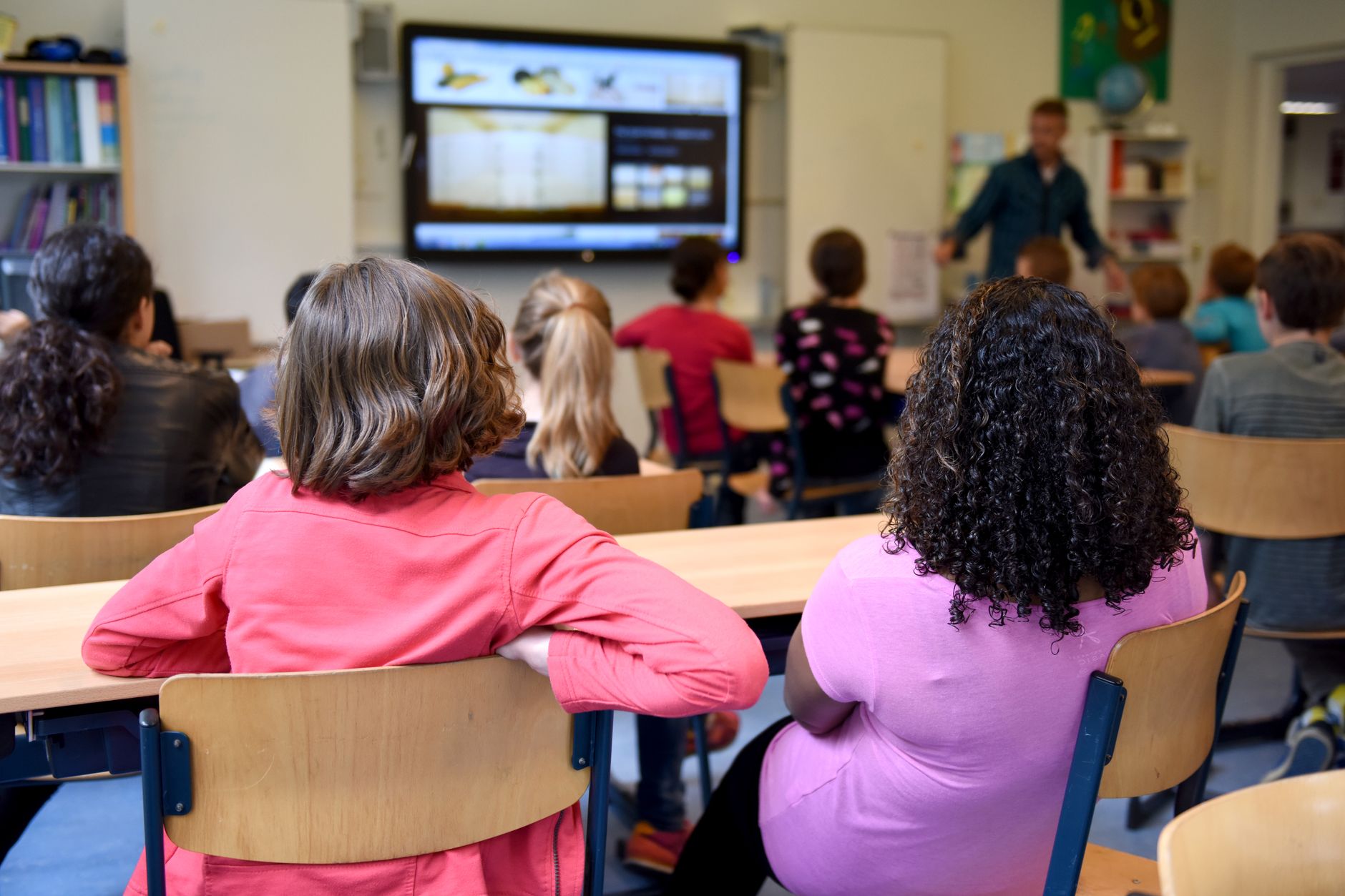
In a bustling classroom in Delhi, a student who once struggled with algebra now finds solace in a digital mentor—a smart board powered by AI. This scene, increasingly common across India, embodies a revolution in the nation's education system.
The advent of AI and smart classrooms marks a significant departure from traditional rote learning methods. AI has made inroads into Indian schools, offering tools like real-time feedback, personalised learning paths, and interactive content, thus transforming the educational landscape.
The Role of AI
AI in education is not just about automated systems; it's about enhancing the learning experience. For instance, DeltaView AI smart boards provide students with immediate feedback, allowing them to grasp complex concepts through visual aids and interactive exercises. This technology ensures that no student is left behind, catering to different learning paces and styles.
Smart Classrooms: The Future
Smart classrooms, equipped with internet access and computers, are redefining the teacher-student dynamic. Teachers can now focus on facilitating rather than merely dispensing knowledge. These classrooms foster a collaborative environment, encouraging students to engage more deeply with the material.
As India embraces this technological shift, questions about AI's safety and ethical use in education persist. However, proponents argue that with proper regulations and training, AI can be a powerful ally in the quest for educational excellence.
Ultimately, the integration of AI and smart classrooms is more than just a technological upgrade; it represents a holistic educational reform. As these tools become more prevalent, the future of education in India looks promising, with a focus on inclusivity and accessibility.