AI and Warfare: The Silent Revolution on the Battlefield
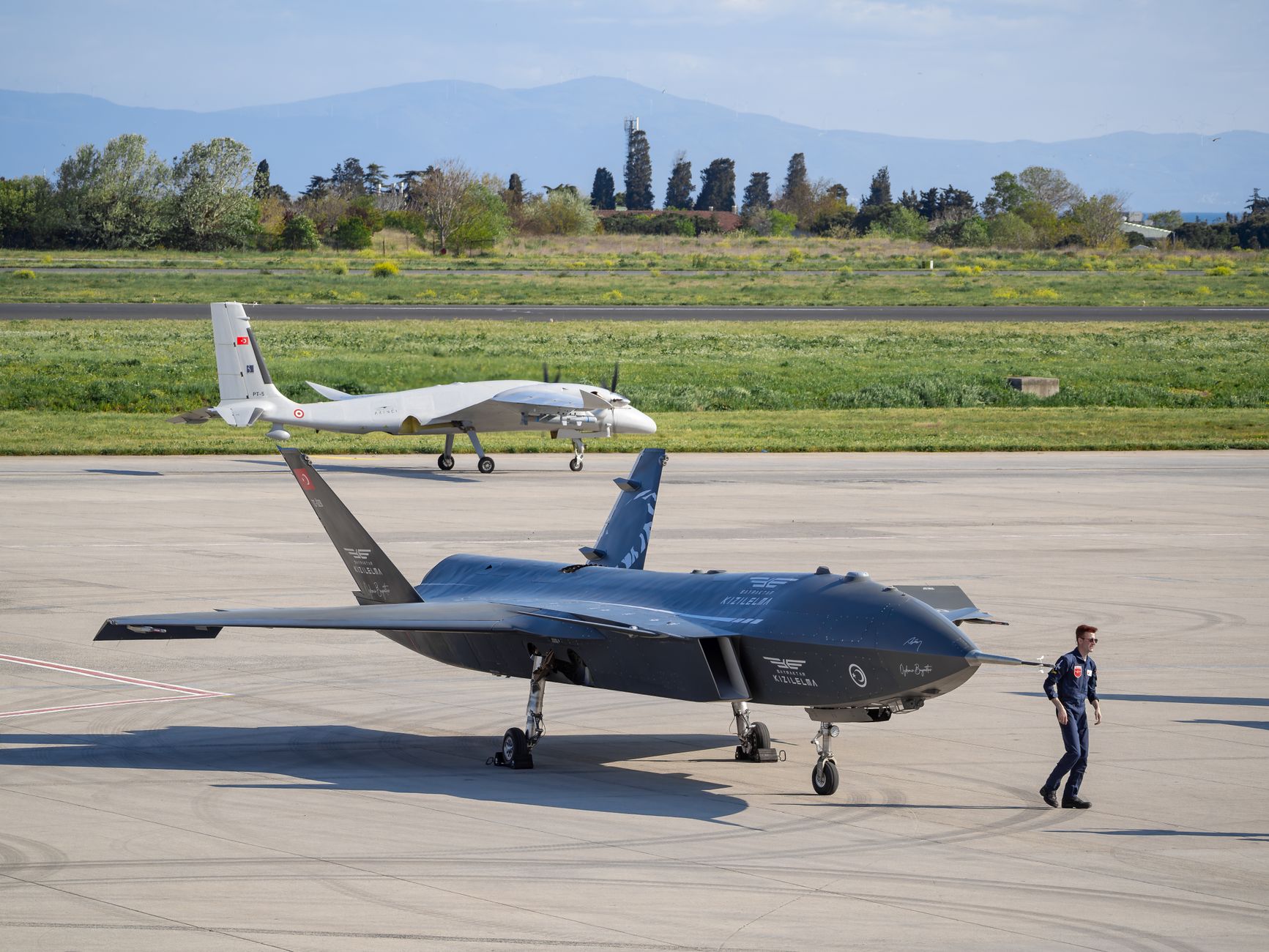
In the dim glow of command centres around the world, a quiet yet profound revolution is underway. Far removed from the noise of gunfire or the rumble of tanks, warfare is increasingly orchestrated by artificial intelligence. This is not the distant future; it's the present. Algorithms and data now dictate the flow of battle, redefining strategies and reshaping military doctrines.
The modern battlefield is awash with information. From satellite feeds to drone footage, the sheer volume of data is overwhelming. Human intelligence analysts, once the linchpins of military operations, now struggle to keep pace. Enter AI. With its ability to process vast amounts of information at unprecedented speeds, AI is transforming how wars are fought. It sifts through terabytes of data, offering commanders insights that were previously unimaginable.
AI's influence on warfare is not limited to data analysis. Autonomous drones, capable of making split-second decisions, are changing the dynamics of aerial combat. Predictive targeting systems use machine learning to anticipate enemy movements, potentially saving countless lives. Yet, as technology takes on a more autonomous role, the ethical questions multiply. Who is accountable for a machine's decision to engage a target? How do armies ensure that AI acts within the bounds of international law?
The Human Element
Despite the rise of AI, the human element remains critical. Machine learning models, no matter how advanced, require oversight. Human judgement is essential to interpret AI-generated insights and to make the final call in life-and-death situations. This symbiotic relationship between man and machine is reshaping military training, with soldiers now required to understand complex algorithms alongside traditional combat skills.
Moreover, the integration of AI into military operations is not without its challenges. Communication disruptions on the battlefield can hinder AI's effectiveness, highlighting the need for robust contingency plans. While simulations show promise, real-world combat scenarios remain unpredictable, and technology's reliability is still tested.
Looking Ahead
As nations race to perfect AI-driven warfare capabilities, the global power balance is likely to shift. The nations that harness AI effectively will not only redefine military strength but also influence global geopolitics. However, as AI becomes more entrenched in military operations, the risk of cyber warfare increases, with adversaries potentially turning AI against its creators.
In this new era of warfare, the silent hum of computers may well define victory and defeat. The question is not whether AI will change the battlefield—it already has. The challenge lies in navigating this brave new world with caution and foresight.