AI Ascends: The Digital Revolution on the Battlefield
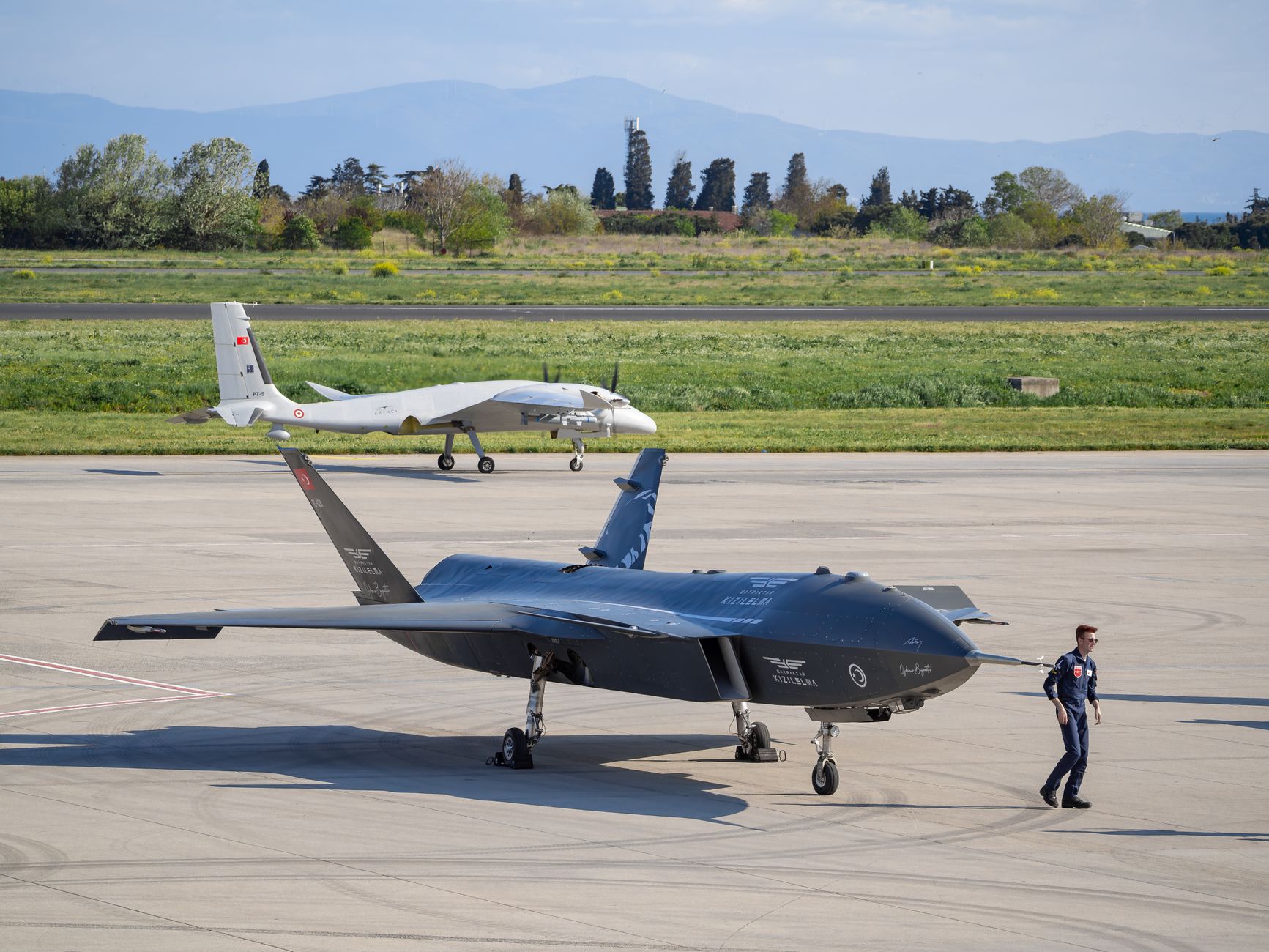
In the dusty plains of modern conflict zones, the silhouette of a drone cutting through the sky has become as familiar as the once-dominant tank. The advent of artificial intelligence in warfare is not merely a technological upgrade; it marks a paradigm shift in how battles are fought and won.
Gone are the days when sheer manpower or industrial might dictated the outcome of wars. Today, algorithms and data analytics are proving decisive. The United States, a forerunner in this digital arms race, is testing AI-integrated military systems in real-time conflicts, such as the ongoing tensions with Iran. These systems promise precision and efficiency but also pose challenges in terms of ethical accountability. Who is to blame when an autonomous system makes a fatal error?
The New Arsenal
The military's embrace of AI has led to the development of increasingly autonomous systems. Drones, once remotely piloted, are now capable of making split-second decisions without human intervention. This autonomy extends beyond the skies; automated ground vehicles and AI-driven maritime systems are becoming integral components of defence strategies worldwide.
Yet, the rise of AI has not been without contention. Critics argue that placing decision-making powers in the hands of machines, especially in life-and-death situations, risks dehumanising warfare. The potential for errors or malfunctions poses severe ethical dilemmas. Moreover, the opacity of AI algorithms means that understanding and rectifying these errors can be an insurmountable challenge.
Beyond the Battlefield
While AI's immediate impact is visible on the battlefield, its influence extends to the very fabric of military strategy. Information warfare, cyber defence, and even troop morale are increasingly governed by AI-driven insights. Command structures are evolving to integrate AI into decision-making processes, potentially reducing the traditional role of human commanders.
As AI continues to shape the future of warfare, the international community faces the task of establishing regulations and ethical frameworks to govern its use. Without such guidelines, the risk of unchecked AI-driven escalation looms large, potentially leading to conflicts fought at unprecedented speeds and scales.
In this new theatre of war, the quiet hum of AI may soon overshadow the thunder of artillery, leaving us to ponder the true cost of this digital revolution.