AI-Crafted Viruses: A Breakthrough or Biosecurity Threat?
In a laboratory breakthrough that is as exciting as it is concerning, scientists have successfully designed the first viruses using artificial intelligence. While this technological leap offers a tantalising glimpse into the future of medicine, it also casts a long shadow of biosecurity concerns.
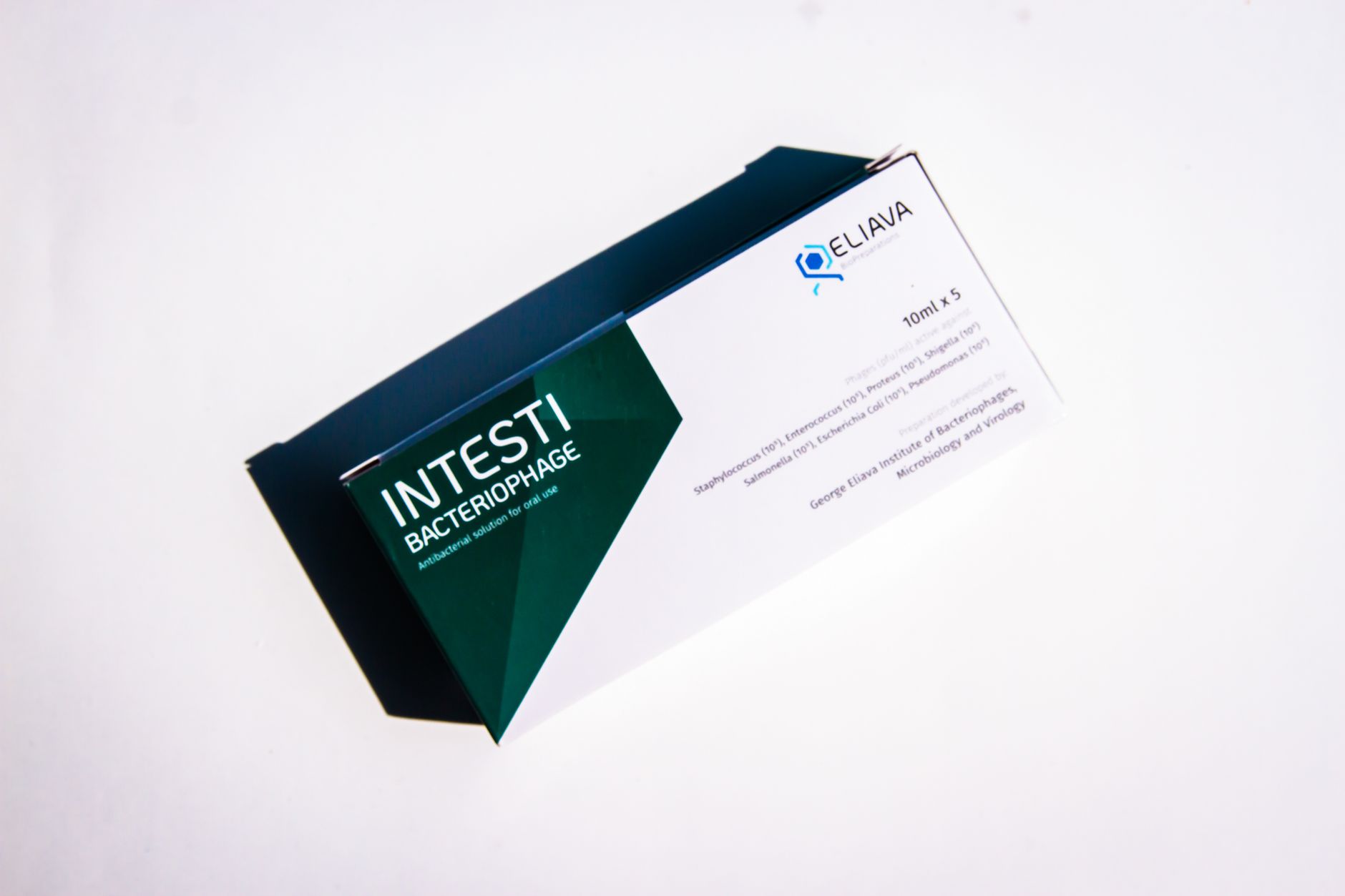
Researchers have employed AI algorithms to construct viral genomes, marking a first in the realm of synthetic biology. The immediate promise lies in the development of bacteriophages, viruses that can target and destroy harmful bacteria—especially those resistant to antibiotics. This could be a significant stride in combating antimicrobial resistance, a growing menace in the medical world.
However, as with many scientific advancements, the potential for misuse looms large. The ability to design viruses using AI raises the spectre of bioterrorism and unintended consequences if such technologies fall into the wrong hands. The dual-use nature of this research has prompted urgent calls for robust regulatory frameworks to ensure these innovations are harnessed safely and ethically.
Promise and Peril
The excitement surrounding AI-designed viruses lies in their potential to revolutionise medicine. Phage therapy, which utilises bacteriophages to target specific bacterial infections, could become a powerful tool against antibiotic-resistant strains. By customising these phages with AI, treatments could become more precise and effective.
Yet, the peril is equally noteworthy. Experts warn that without stringent oversight, the same technology could be misused to create harmful viruses. This has sparked debates within the scientific community about the ethical implications and the need for international agreements to regulate AI-driven synthetic biology.
A Call for Regulation
As scientists tread this fine line between innovation and safety, the call for regulation becomes ever more pressing. Proponents argue for a global framework akin to those governing nuclear technology, which would involve rigorous scrutiny and control over research and development in AI-designed pathogens.
While the potential benefits of such technology are immense, ensuring that it does not become a double-edged sword is crucial. The challenge lies in balancing the pursuit of scientific progress with the imperatives of security and ethical responsibility.