AI-Crafted Viruses: A Scientific Marvel or Threat?
In a laboratory tucked away at Stanford, a team of researchers has embarked on a scientific odyssey that could redefine the boundaries of virology. Using artificial intelligence, they have managed to synthesise 16 brand-new viruses, none of which exist in nature. This technological feat, while awe-inspiring, has not been without its fair share of controversy.
The project, led by a group of pioneering scientists, utilised advanced AI models to design viral genomes. The aim was to explore new avenues for medical research, particularly in the development of antiviral drugs and vaccines. By creating viruses in a controlled environment, researchers hope to gain insights into how these pathogens operate, potentially leading to breakthroughs in how we combat viral infections.
Promise of Medical Advancements
The potential medical benefits are considerable. With these AI-created viruses, scientists can test new drugs and vaccines more rapidly and safely than ever before. This is particularly crucial in an era where emerging viral threats can escalate into global pandemics with alarming speed. The ability to pre-emptively design countermeasures could change the way we approach public health crises.
However, as with any powerful technology, this innovation carries inherent risks. The prospect of creating viruses that do not exist naturally raises significant ethical and safety concerns. Critics argue that such capabilities could be misused, either accidentally or deliberately, leading to unforeseen consequences.
Ethical and Safety Concerns
The notion of synthesising viruses with AI has sparked a heated debate within the scientific community. While the intentions behind the project are noble, the possibility of these viruses being released, whether through negligence or malice, cannot be ignored. Regulatory frameworks and stringent safety protocols must be established to ensure that this technology is used responsibly.
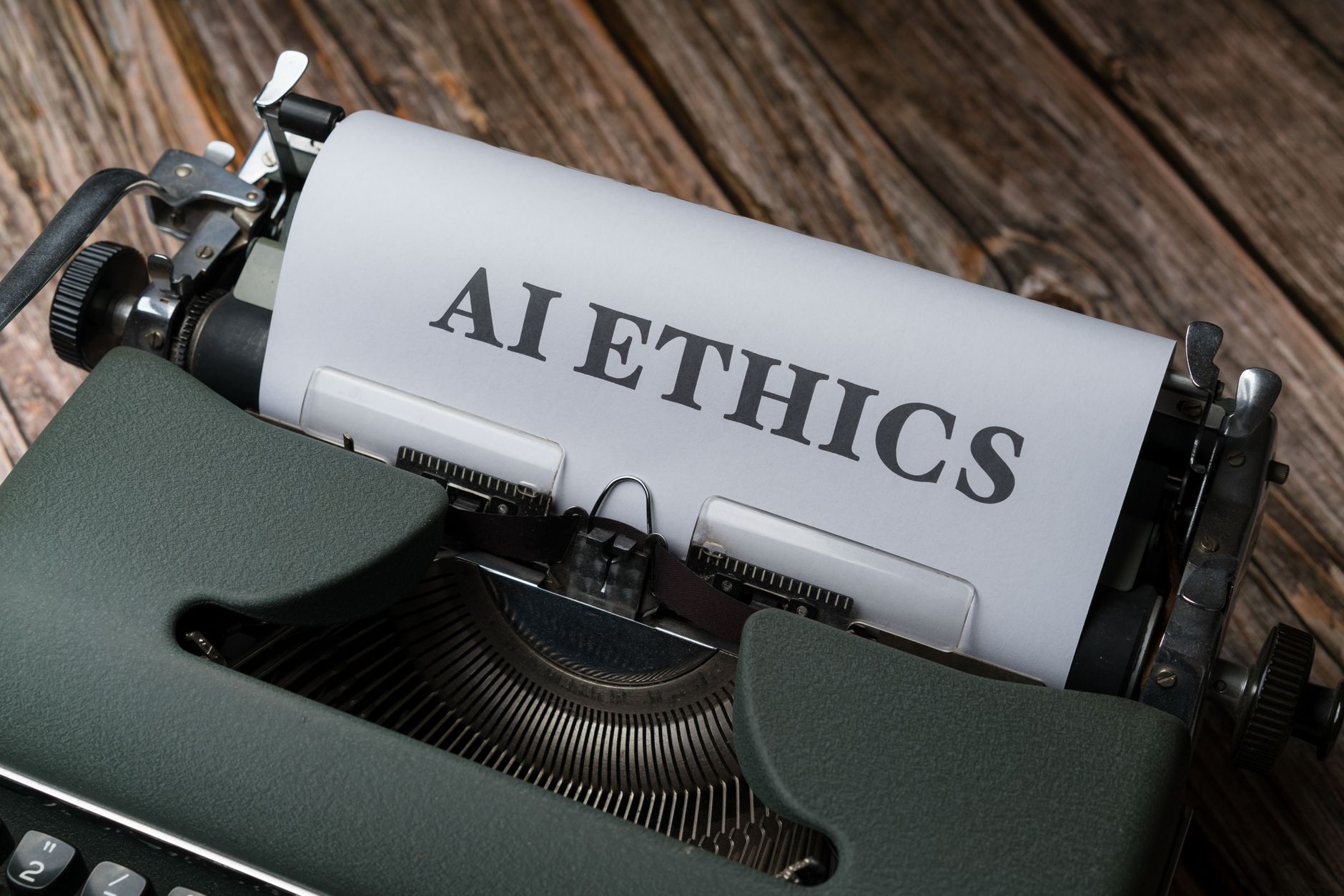
Moreover, the creation of these viruses poses questions about the role of AI in scientific research. As we continue to integrate AI into various fields, the balance between innovation and ethical responsibility becomes ever more critical.
As the dust settles on this groundbreaking study, the scientific world stands at a crossroads. The potential for AI to revolutionise virology is immense, yet it must be approached with caution and discernment. Whether this technology becomes a boon or a bane will depend on how we choose to wield it.