AI-Designed Viruses: A Medical Breakthrough or a Biosecurity Threat?
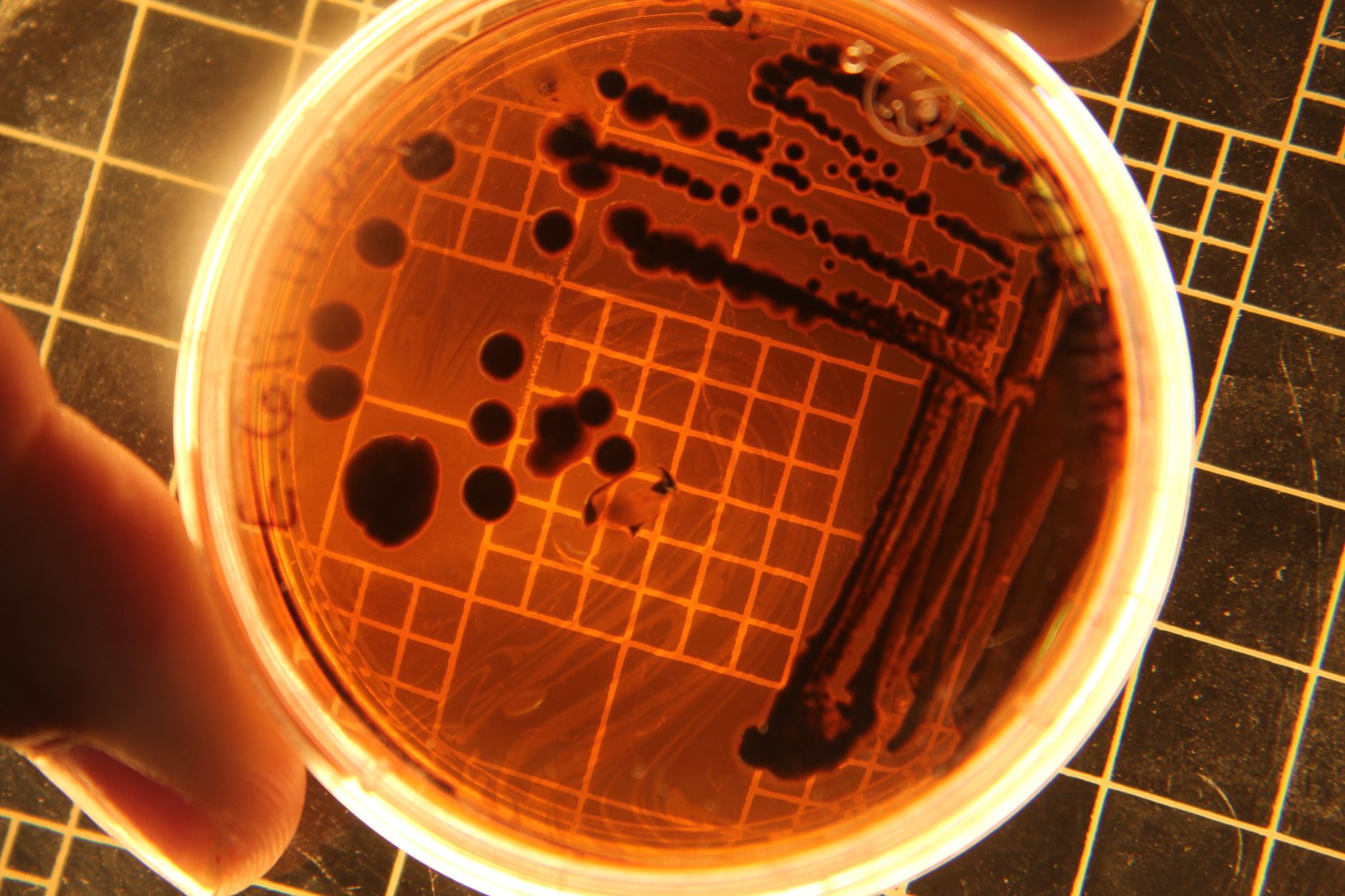
In a laboratory at Stanford, a team of scientists has crossed a threshold few dared to imagine. Using artificial intelligence, they have designed and synthesised viruses that do not naturally exist. This groundbreaking feat, while a beacon of hope for advancing medicine, has simultaneously ignited a debate over biosafety.
The researchers developed 16 new viruses with a specific aim: to combat drug-resistant bacteria. As antibiotic resistance becomes an ever-growing concern, such innovations could prove pivotal. However, the very ability to create new viral genomes, which could theoretically be weaponised, has raised alarm bells among biosecurity experts.
Biological Innovation or Biosecurity Risk?
The potential applications of AI-designed viruses are undeniably vast. They could lead to innovative treatments for infections that have outpaced current medicinal capabilities. Yet, as with any powerful tool, there is a dual-edged sword. "While the therapeutic benefits are exciting, the possibility of misuse cannot be ignored," said Dr. Helen Carter, a biosecurity analyst.
Critics argue that the oversight of such research is of paramount importance. The synthesis of artificial viruses could inadvertently lead to unintended consequences, should these organisms escape controlled environments. The implications of such an event, albeit unlikely, are too severe to overlook.
Ensuring Safe Practices
In response to these concerns, the scientific community is calling for stringent regulations. "We need a framework that ensures safety without stifling innovation," remarked Professor John Whitman, who specialises in synthetic biology. The challenge lies in balancing the two, ensuring that advancements do not outpace ethical and safety considerations.
As AI continues to revolutionise various sectors, its role in biology presents both opportunities and challenges. The creations at Stanford highlight the urgent need for international guidelines that safeguard against potential risks while fostering scientific progress. In the realm of synthetic biology, vigilance, it seems, is the price of progress.