
AI Experts Urge UN to Brace for Emerging Threats
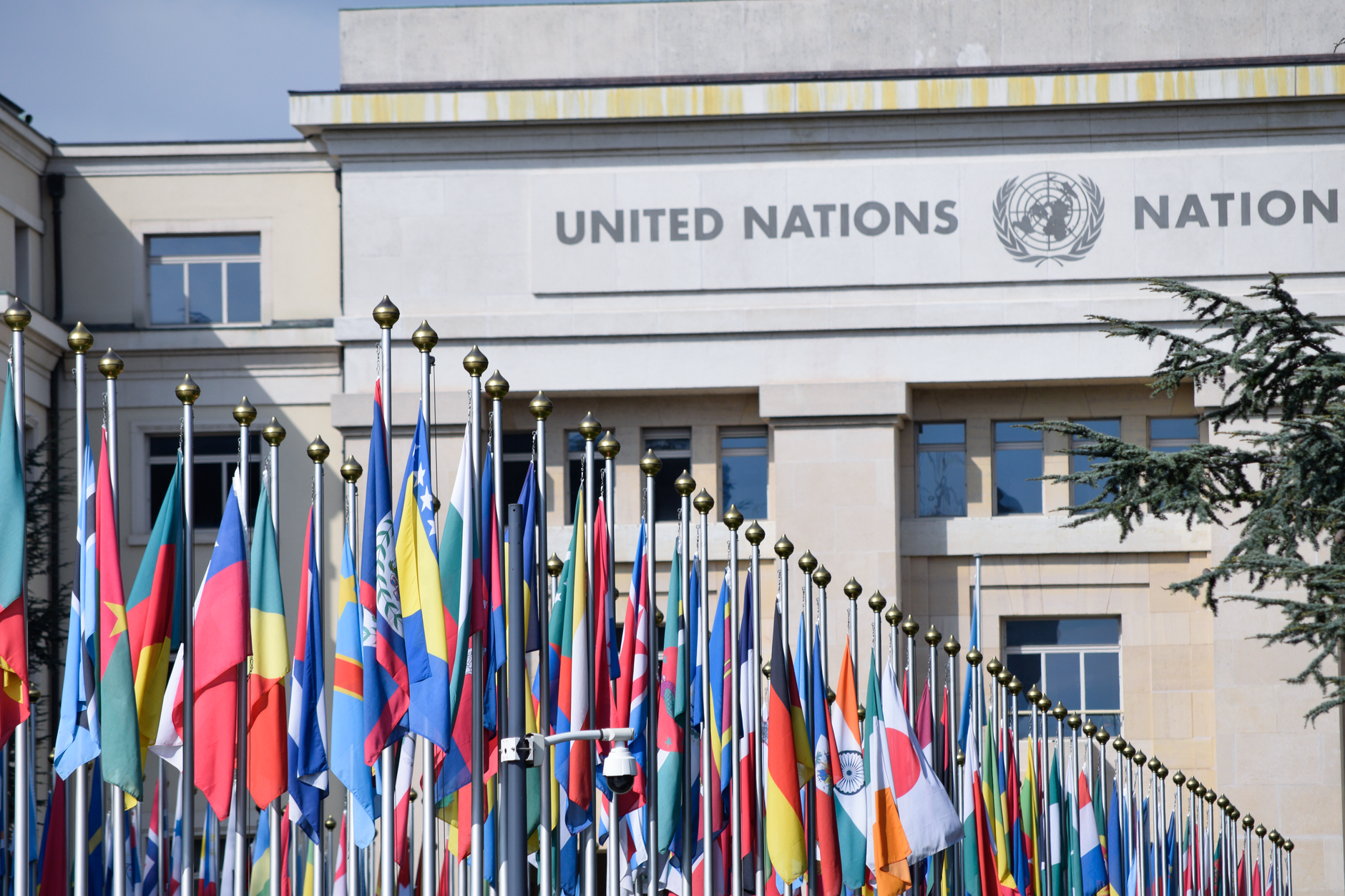
In a dramatic session at the United Nations Security Council, leaders from the world's foremost artificial intelligence companies issued a stark warning. As AI systems grow increasingly powerful, the potential risks to global security cannot be overstated. The call for action was impassioned and urgent, underscoring the need for international cooperation to regulate and manage this transformative technology.
Dario Amodei, CEO of Anthropic, voiced concerns shared by many in the industry, urging a slowdown in the development of the most advanced AI systems. 'The pace of AI advancement outstrips our ability to manage it,' he remarked, highlighting the ethical and security challenges that accompany such rapid technological evolution.
Meanwhile, the geopolitical dimension of AI was brought into sharp focus by US President Donald Trump. Speaking at the UN General Assembly, he rejected any 'globalist scheme' to control AI, describing the technology as 'amazing' yet cautioning that the US would proceed with care.
Global Coordination: A Necessity
The call for global coordination is not merely a regulatory issue but a moral imperative, according to experts. As AI systems become integral to critical infrastructure, the potential for misuse by rogue states or non-state actors looms large. Cybersecurity threats, data privacy concerns, and the ethical deployment of AI in warfare are just a few areas demanding urgent scrutiny.
'We are at a crossroads,' said Amodei, 'where the benefits of AI must be weighed against the potential for catastrophic misuse.' The Security Council's response to these warnings could shape the future of AI regulation globally, with profound implications for both national security and civil liberties.
Looking Ahead
As the debate rages on, the responsibility resting on the shoulders of world leaders is colossal. The decisions taken now will determine whether AI becomes a force for good or a catalyst for conflict. The urgency of the situation demands that the United Nations, along with its member states, act swiftly to establish a framework to ensure AI technologies are developed and deployed responsibly.
In the words of one UN delegate, 'This is not just about technology; it's about the future of humanity.'


