AI-Generated Bird Images Threaten Scientific Accuracy
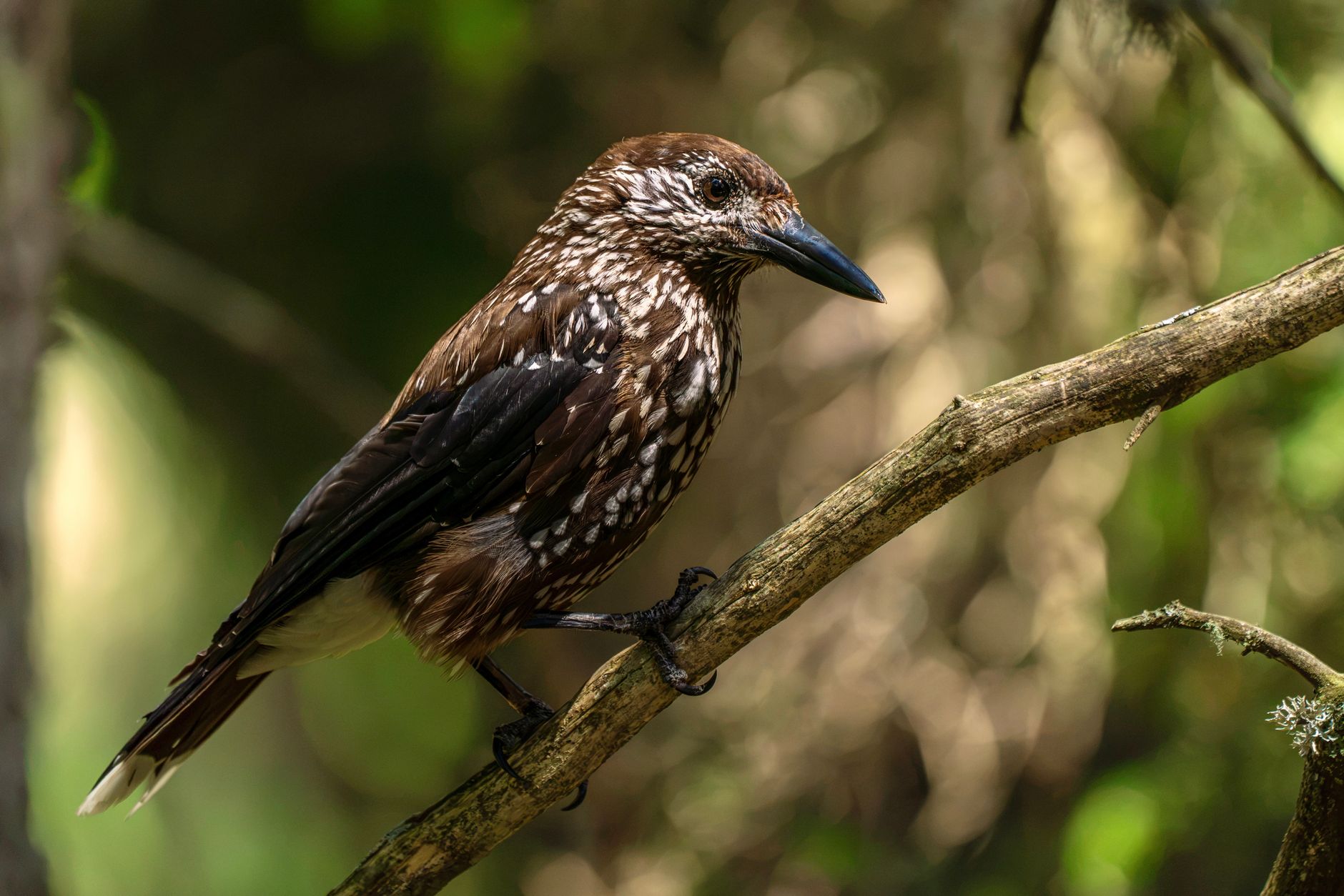
In the hushed realms of online birdwatching forums, where enthusiasts share rare sightings and exchange notes, a new and unwelcome visitor has arrived: AI-generated images. Recently, an eye-catching image of a large black bird with a bright orange beak perched on an iceberg, set against the ethereal backdrop of the northern lights, captivated many. But this avian spectacle was a fabrication, concocted by artificial intelligence.
Such images, while visually arresting, pose a significant threat to the integrity of ornithological research. The ease with which AI tools can now generate hyper-realistic images has made it increasingly difficult to discern genuine photographs from cleverly crafted fakes. For researchers, who rely heavily on citizen scientists to contribute accurate field observations, this trend could distort data and, by extension, hinder conservation efforts.
Birdwatching, a pastime for many and a passion for others, plays a crucial role in collecting valuable data on bird populations and migratory patterns. Enthusiasts often upload their findings to forums and databases, which researchers then use to track changes in avian behaviour. However, as AI technology becomes more sophisticated, the line between reality and digital artifice blurs, making it imperative for both amateur and professional birdwatchers to exercise caution.
The scientific community is now grappling with the implications. Could an erroneous sighting of a non-existent species lead to unnecessary conservation measures? Or worse, might it divert resources from species that truly need attention? These are not trivial concerns in an era when environmental resources are already stretched thin.
While AI has undoubtedly brought advancements in many fields, including the ability to enhance and analyse images, its potential for misuse in areas like wildlife observation cannot be ignored. The onus is on the community to develop robust verification systems, perhaps integrating AI itself to detect and flag inconsistencies in images submitted for scientific purposes.
In the meantime, birdwatching forums may need to implement stricter guidelines to ensure the authenticity of shared images. It is a delicate balance to maintain the openness and enthusiasm of these communities while safeguarding the scientific value of the data they produce.