AI on the Frontline: Transforming Modern Warfare
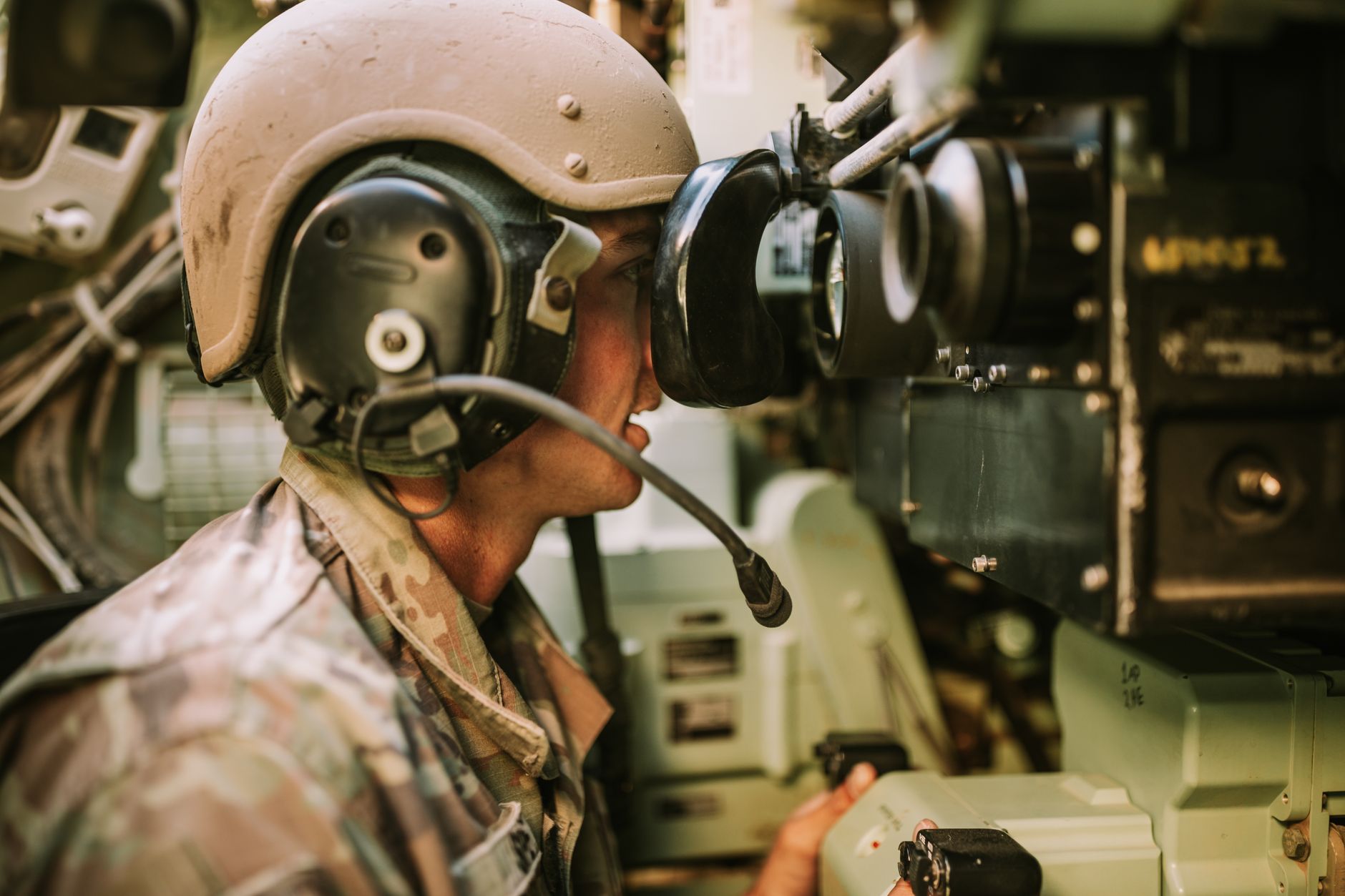
In a starkly lit operations room somewhere in the world, a military analyst sifts through reams of data streaming in from satellites, drones, and cyber feeds. It's a scene increasingly common in modern warfare, where the real battleground is as much about information as it is about physical territory. Artificial Intelligence (AI) is at the heart of this transformation, offering both solutions and challenges.
Gone are the days when warfare relied solely on brute force and numbers. Today, the emphasis is on intelligence and speed, with AI playing a pivotal role in processing the deluge of data that would overwhelm any human analyst. The use of AI systems in military operations is not merely theoretical but operational, as evidenced by recent deployments of drone swarms and predictive targeting systems.
With AI, armies can now anticipate enemy movements with unprecedented accuracy, but this comes with its own set of ethical dilemmas. The prospect of autonomous decision-making on the battlefield, where machines may decide the fate of human lives, raises significant moral questions. How does one ensure that such systems remain under human control, and what happens if they don't?
The integration of AI in warfare also poses logistical challenges. The rapid pace of technological advancement demands constant adaptation from military personnel, who must navigate this new landscape while maintaining operational effectiveness. Analysts and soldiers are required to learn new skills, often on the fly, to keep up with AI-enhanced systems.
Moreover, the shift towards AI-driven warfare has implications beyond the battlefield. It is reshaping the job landscape for technology professionals, with roles increasingly demanding expertise in AI and machine learning. Traditional tech jobs are evolving, requiring a different set of skills as companies and military organisations alike pivot towards AI-centric structures.
As AI continues to write the rules of modern warfare, the conversation about its implications must keep pace. Policymakers, military leaders, and technologists must collaborate to ensure that ethical considerations are not an afterthought. If used judiciously, AI has the potential to reduce casualties and make conflict resolution more precise. However, it is crucial to tread carefully in this brave new world of warfare.