AI Solves Decade-Long Mystery in Just Two Days
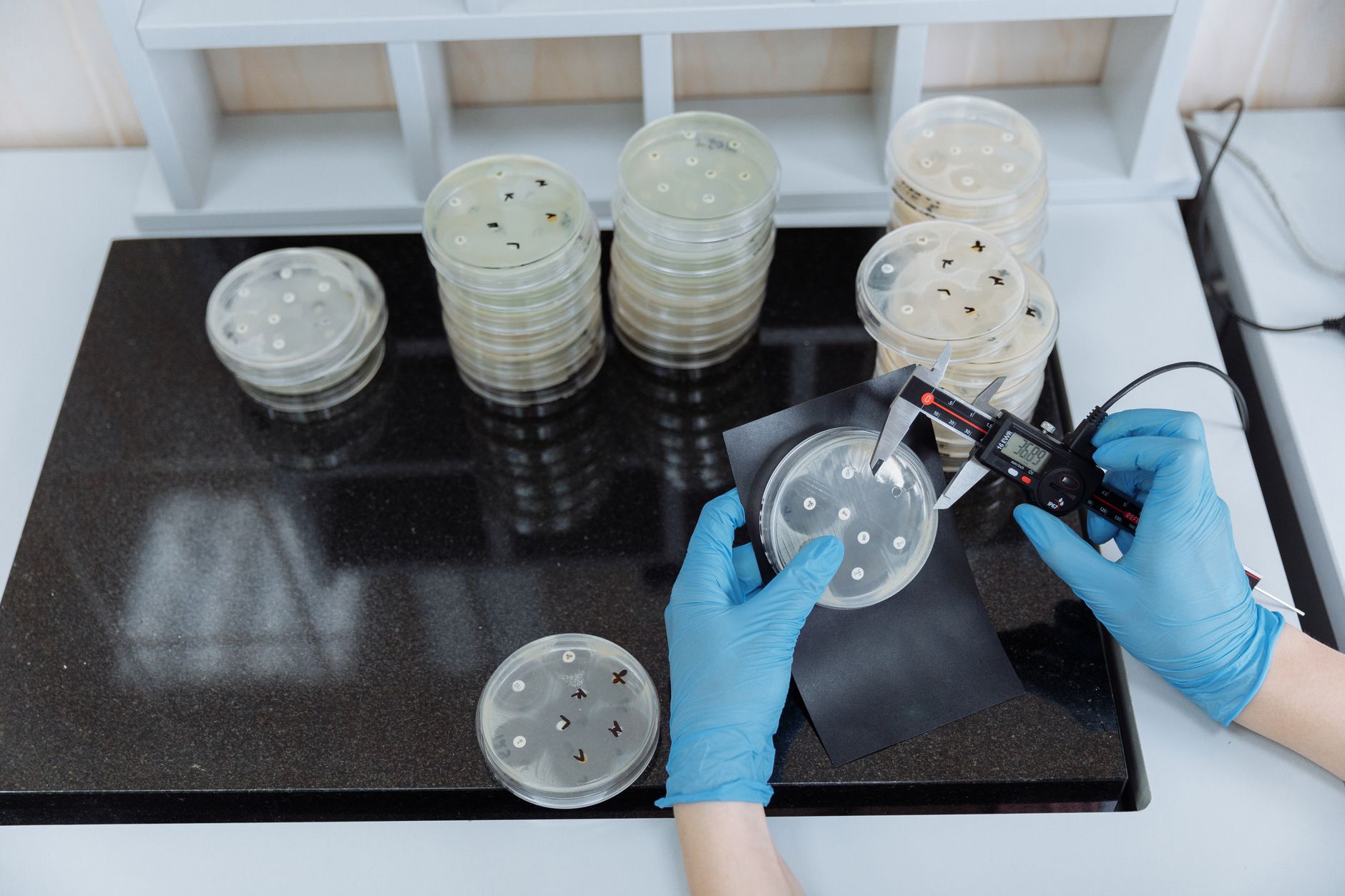
In the annals of scientific achievement, there are moments that redefine our understanding of what's possible. This week, artificial intelligence claimed its place in those hallowed pages by solving a microbiological conundrum that had baffled scientists for ten long years. In a staggeringly short span of just 48 hours, an AI system developed by Google's tech wizards managed to crack the code.
At the heart of this breakthrough is a vexing problem: why do certain bacteria evolve into superbugs, those pesky microorganisms that thumb their noses at antibiotics? Researchers at Imperial College London, under the guidance of Professor José R. Penadés, had been grappling with this question for a decade. Their painstaking research aimed to dissect the genetic mutations and environmental factors that cause these transformations.
A New Era for Microbiology
The AI's success was not just a matter of computational brute force. It involved sophisticated algorithms capable of identifying patterns in vast datasets, something human researchers simply cannot achieve at the same speed. The implications are profound. Not only does this herald a new era in microbiological research, but it also signals a shift in how we might tackle antibiotic resistance, one of the most pressing medical challenges of our time.
Professor Penadés expressed both relief and admiration for the AI's capabilities. "We had been analysing this data for years," he said, "and to see a machine accomplish in two days what we could not in ten years is both humbling and exhilarating."
The Broader Implications
This development raises broader questions about the role of AI in scientific research. Will machines eventually replace human researchers? Most experts agree that while AI can significantly accelerate data analysis, human intuition and creativity remain irreplaceable.
As we stand on the brink of an AI-powered future, the lesson from this episode is clear: collaboration between humans and machines may well unlock mysteries that have eluded us for centuries. And in the race against antibiotic resistance, such breakthroughs may prove to be our best ally.