AI: The New Catalyst in Scientific Discovery
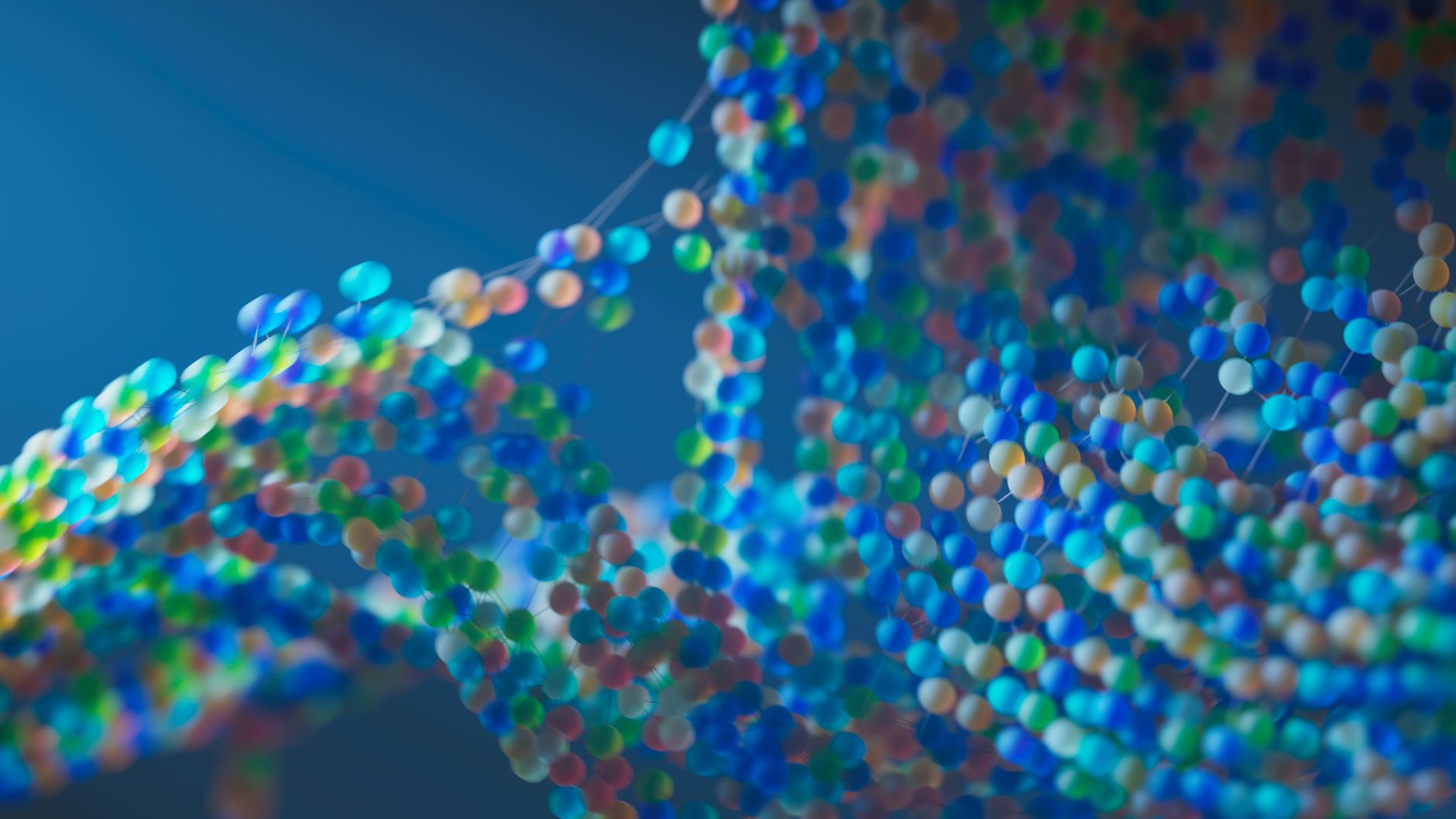
In the ever-evolving realm of science, Artificial Intelligence (AI) is fast becoming the key to unlocking the universe’s most perplexing mysteries. Seventeen intrepid organisations are at the forefront of this AI revolution, pushing the boundaries of human understanding and capability.
These organisations are applying AI in diverse fields ranging from life sciences to environmental sustainability. The Google.org Impact Challenge: AI for Science is a testament to this momentum, inviting researchers globally to harness AI in tackling the world's most pressing issues.
AI in Action: Transforming Research
One of the most significant breakthroughs facilitated by AI is in the field of biology, where AlphaFold is revolutionising research. Its ability to predict protein structures with remarkable accuracy is a boon for scientists aiming to cure diseases like malaria. This is not just an academic exercise; it's a race against time to save millions of lives.
Environmental sustainability is another area where AI is making a remarkable impact. Predictive models powered by AI are providing insights into climate resilience strategies. Organisations are now equipped to model climate scenarios with greater precision, aiding efforts to mitigate global warming.
Beyond the Horizon: AI's Limitless Potential
The applications of AI are as limitless as the universe itself. From understanding cosmic phenomena to creating generative media that extends human creativity, AI is reshaping what we know and what we can do. As these 17 organisations forge ahead, the message is clear: AI is not merely an adjunct to traditional scientific methods; it is integral to the future of scientific exploration.
While the ethical and practical implications of AI continue to be debated, its role as a catalyst for scientific discovery is indisputable. As we continue to explore these frontiers, one can only anticipate the remarkable advancements that await.