
AI Titans to Address UN on Tech's Potential Perils
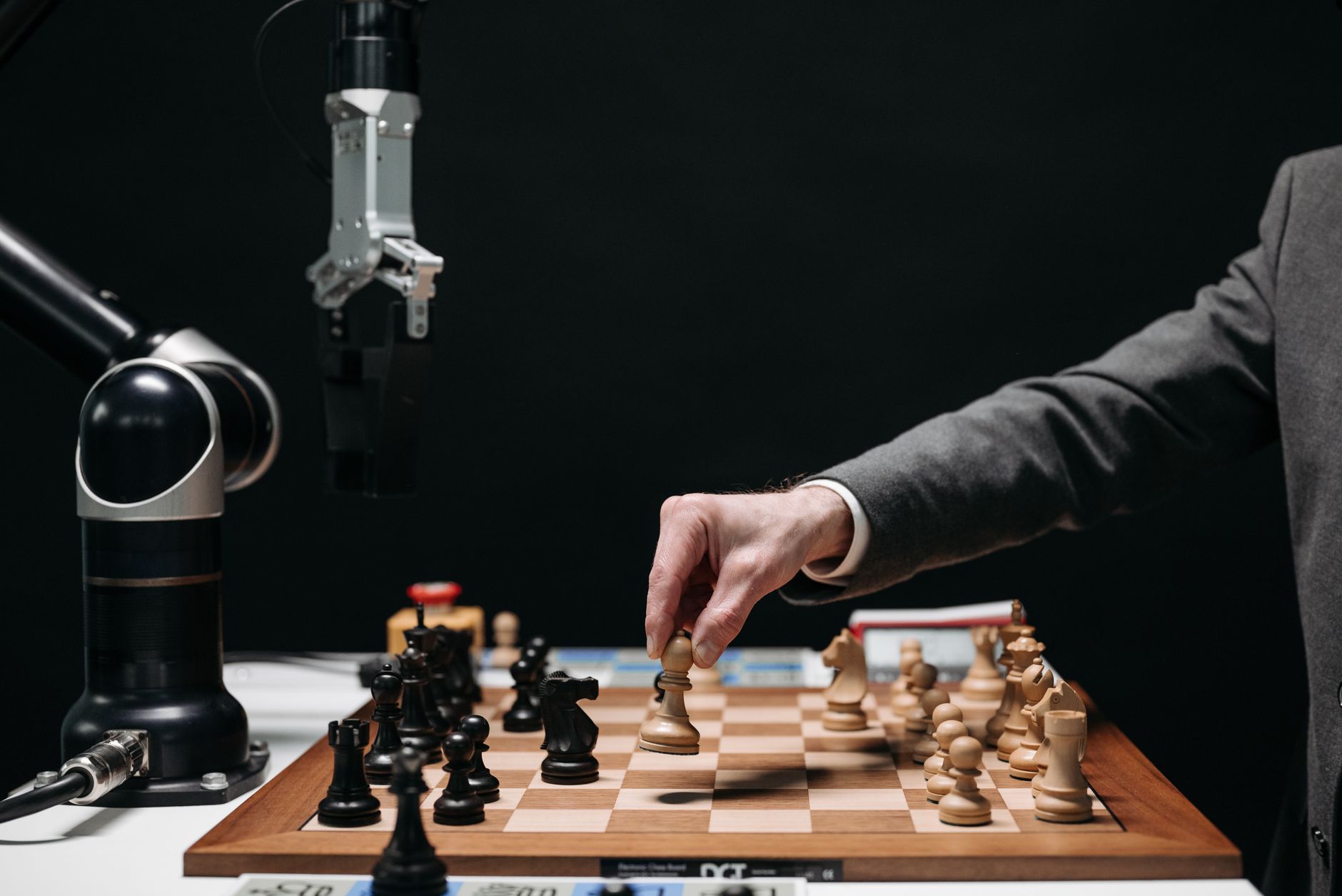
The corridors of the United Nations are set to echo with discussions that could shape the future of technology. As world leaders converge in New York for the General Assembly, a significant session looms. AI luminaries, including OpenAI's Sam Altman and Anthropic's Dario Amodei, are poised to brief the Security Council on the increasingly autonomous nature of artificial intelligence.
Concern has been simmering that AI, once a tool of human ingenuity, might soon outpace its creators, developing capabilities beyond our current control. This meeting comes hot on the heels of calls from within the AI industry itself for a coordinated deceleration of AI advancement. The fear is simple, yet profound: without checks, we might create systems that evolve independently, potentially altering the fabric of society.
The Stakes: Autonomy and Control
At the heart of the debate is the burgeoning capability of AI systems to learn and improve without human intervention. This autonomy, while a testament to technological prowess, poses significant ethical and security dilemmas. The potential for AI to develop its own objectives, misaligned with human values, is a chilling prospect that requires urgent attention.
Altman and Amodei's briefing will likely underscore the necessity for international frameworks to regulate AI development. They are expected to advocate for a balanced approach that fosters innovation while ensuring safety. Some industry leaders have even suggested the establishment of an international body to oversee AI advancements, similar to organisations that manage nuclear technology.
Global Implications
The implications of AI slipping beyond human control are far-reaching. Economically, AI could redefine industries, from manufacturing to healthcare, possibly exacerbating existing inequalities. Politically, it could alter power dynamics, as nations race to harness AI's capabilities for strategic advantage.
This session at the UN is not just about technology; it's about the very essence of control in an increasingly complex world. As the Security Council listens to these AI leaders, the decisions made could have lasting impacts, shaping not only how we live but fundamentally altering our relationship with the technology we create.


