AI's Diagnostic Prowess Grows, But Doctors Remain Indispensable
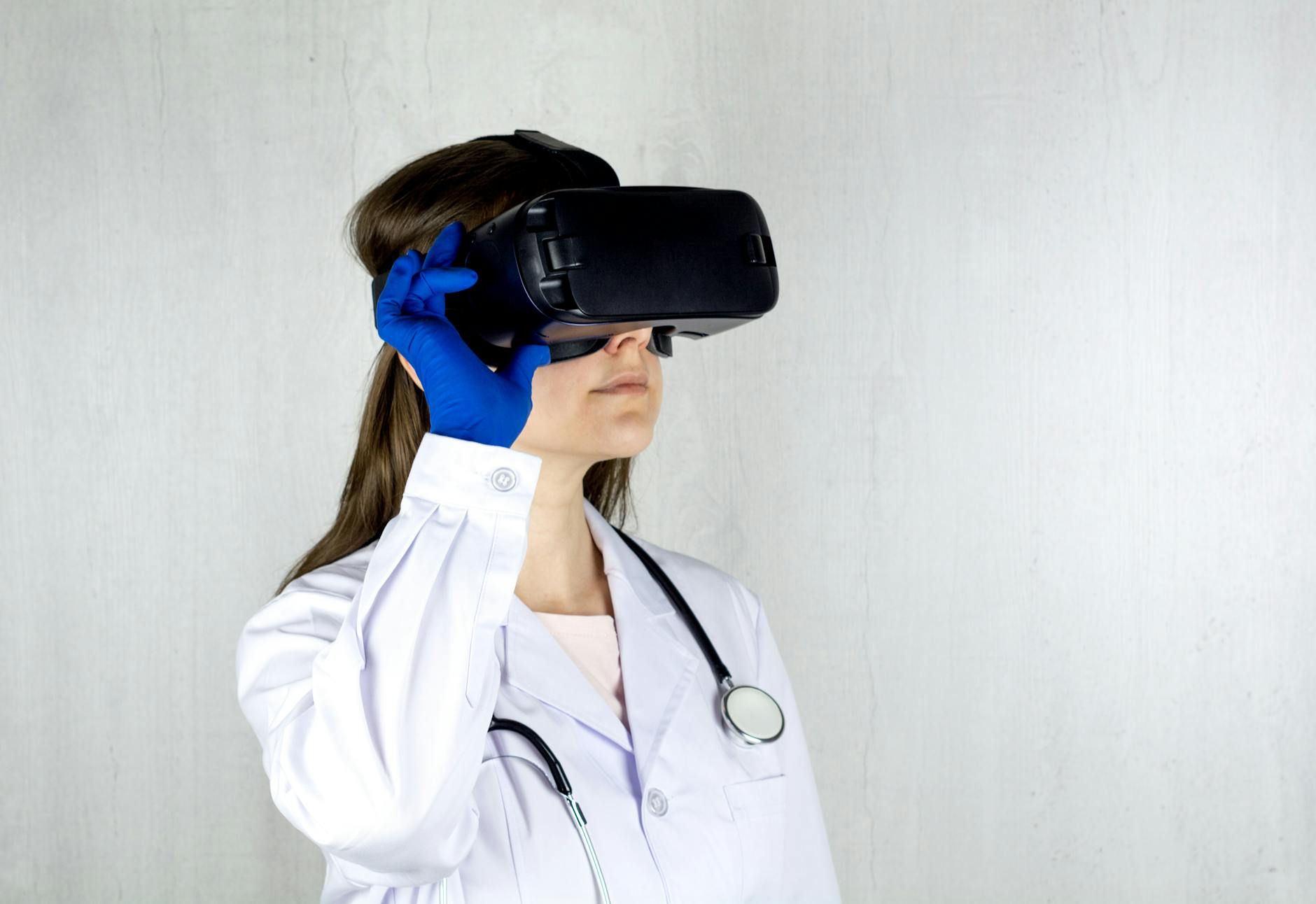
In an era where artificial intelligence is making inroads into nearly every facet of life, its burgeoning role in healthcare has caught the attention of both sceptics and enthusiasts alike. The emergence of AI platforms such as ChatGPT, which can diagnose health problems with remarkable accuracy, has sparked a debate that straddles the line between technological triumph and ethical quandary.
ChatGPT's ability to quickly analyse symptoms and suggest potential diagnoses is undeniably impressive. In some controlled experiments, it has even outperformed human doctors in terms of speed and accuracy. But, as any seasoned clinician will attest, diagnosing an ailment is merely the beginning of a complex medical journey.
The true art of medicine lies not just in identifying what ails a patient, but in crafting a tailored treatment plan that considers the patient's unique circumstances, preferences, and overall health. This is where human doctors still hold the upper hand. Their capacity to weigh treatment options, consider the psychological and social factors, and provide compassionate care remains unparalleled.
A Complement, Not a Replacement
Dr. John Succi, a seasoned physician, remarks, "While AI can assist in forming a differential diagnosis, it lacks the nuanced thinking and empathy that only human experience can provide." The challenge, he suggests, is to harness the strengths of AI in a way that complements rather than competes with the skills of medical professionals.
Integrating AI into clinical practice could potentially streamline processes, reduce errors, and allow doctors to focus more on the human aspects of care. However, it also raises questions about accountability, data security, and the potential for over-reliance on technology.
Navigating Ethical Waters
The ethical considerations surrounding AI in healthcare are as complex as the technology itself. With AI's growing role, there are concerns about patient privacy, data misuse, and the potential for bias in machine learning models. As AI systems rely on vast datasets, ensuring these datasets are diverse and representative becomes crucial to avoid perpetuating health disparities.
Ultimately, the integration of AI in healthcare is not about replacing doctors but enhancing the care they provide. As AI continues to evolve, the hope is that it will become a valuable tool in the hands of skilled clinicians, allowing them to deliver even more effective and personalised care.