AI's Environmental Impact: Power, Water, and Air Concerns
In a world increasingly powered by Artificial Intelligence (AI), the environmental cost of such advancements is becoming hard to ignore. While AI applications promise to transform industries and improve efficiencies, the energy used in these processes is mounting at an alarming rate.
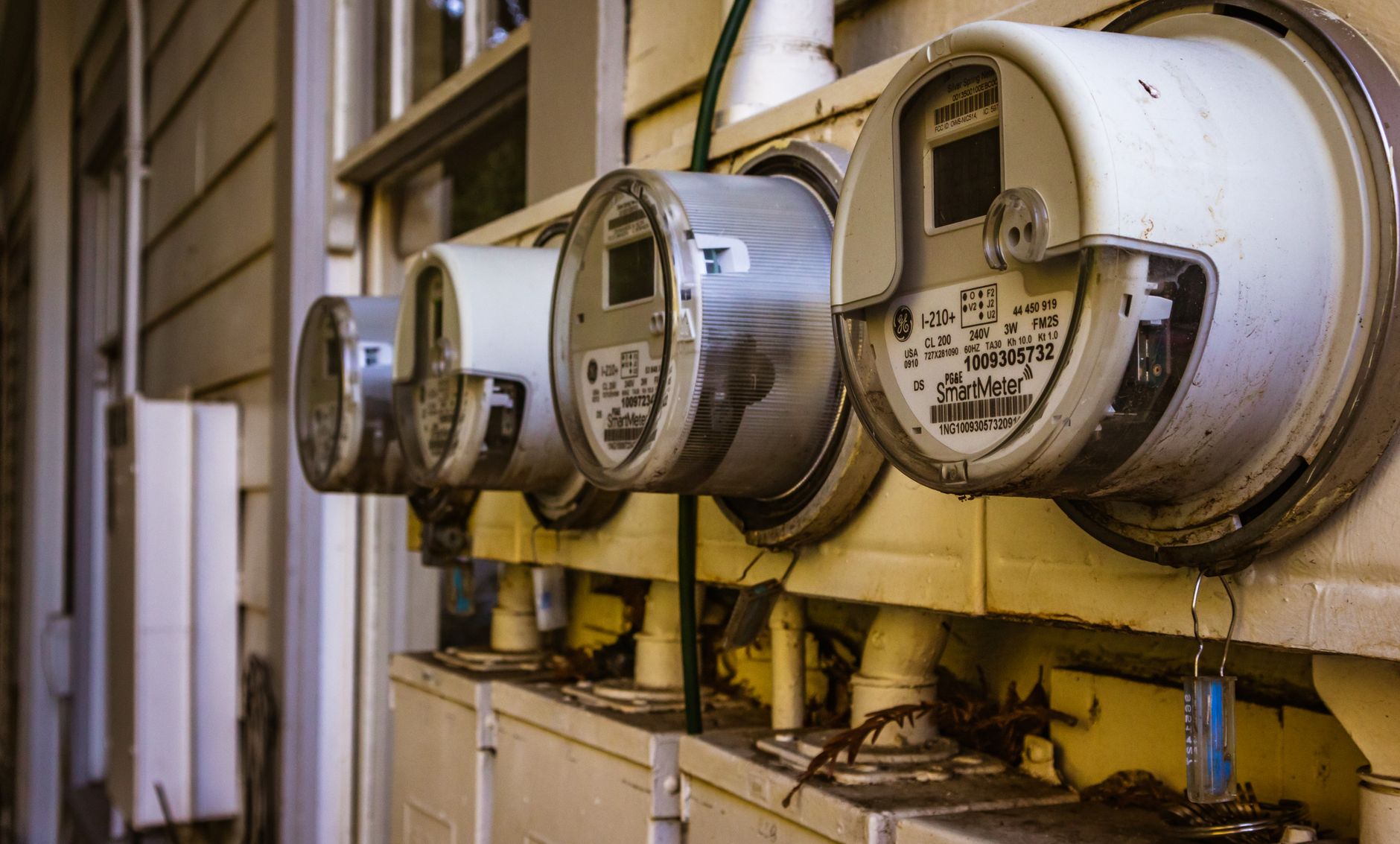
Training a large AI model can consume as much energy as hundreds of homes do in a year. This requirement is not limited to electricity alone; the water needed for cooling data centres adds another layer of environmental strain. With AI systems processing vast amounts of data, the carbon emissions associated with these operations are comparable to those of entire small nations.
The Hidden Costs of AI
Beyond the visible benefits, AI's hidden costs are proving to be significant. As companies race to develop more advanced AI technologies, transparency about their environmental impact remains limited. This lack of openness makes it difficult to gauge the full scope of AI's environmental toll.
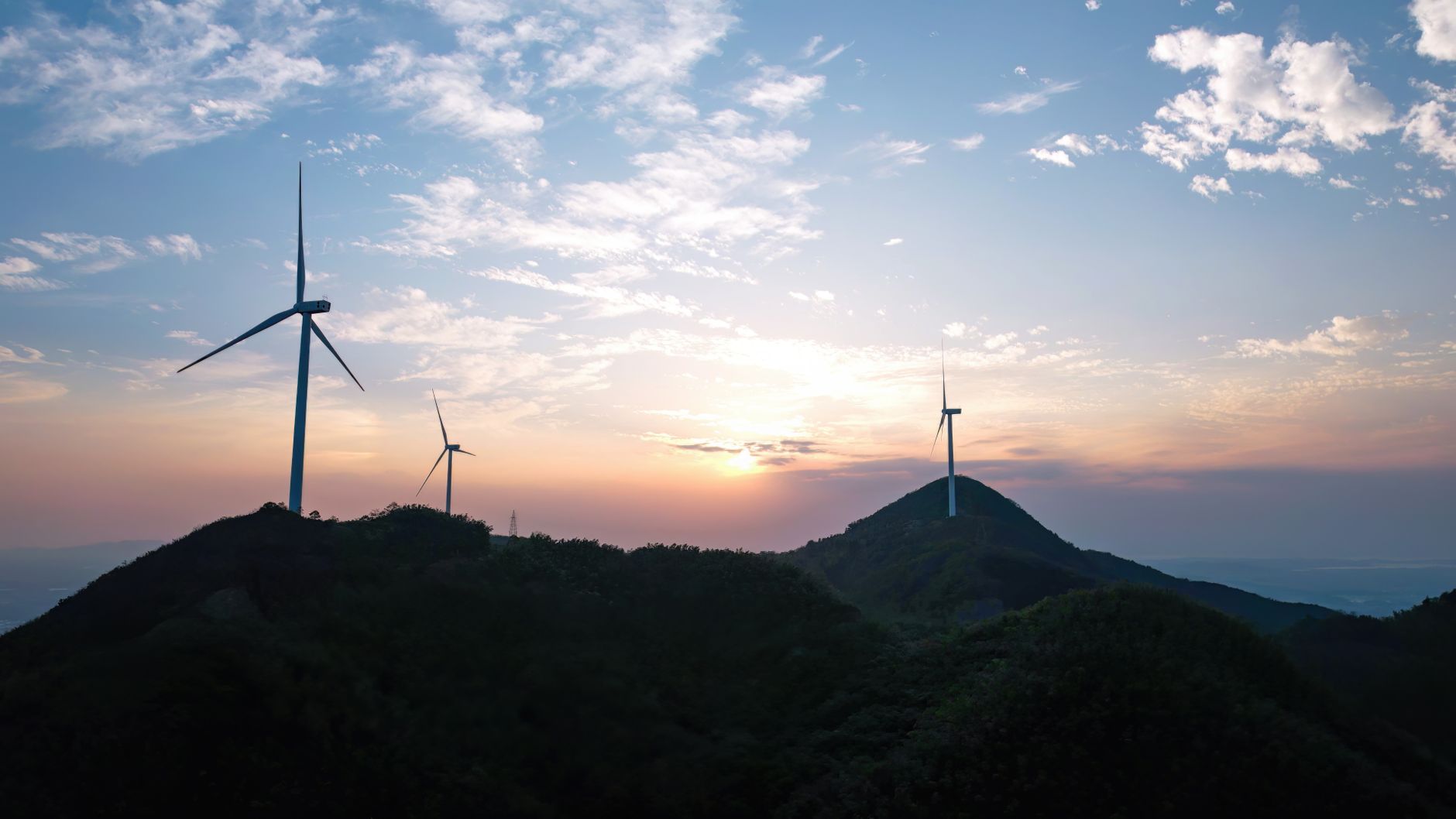
Moreover, the efficiency gains achieved in AI technology are offset by the rapid increase in user numbers and the power-intensive nature of new applications, such as those generating video content. The result is an ever-growing demand for energy that current renewable resources are struggling to meet.
Global Implications
The implications of AI's environmental footprint are far-reaching. Not only do they challenge the sustainability of technological progress, but they also present a moral dilemma. As AI becomes integral to various facets of daily life, balancing its benefits with environmental responsibility becomes crucial.
Addressing these challenges requires concerted efforts from tech companies, policymakers, and consumers alike. There is a pressing need for more sustainable practices and greater transparency in reporting the environmental impact of AI technologies.
In conclusion, as AI continues to evolve, it is imperative to consider its environmental costs seriously. Only by acknowledging and addressing these issues can we hope to harness AI's potential without compromising the health of our planet.