AI's Growing Role in Healthcare: Bridging the Gap
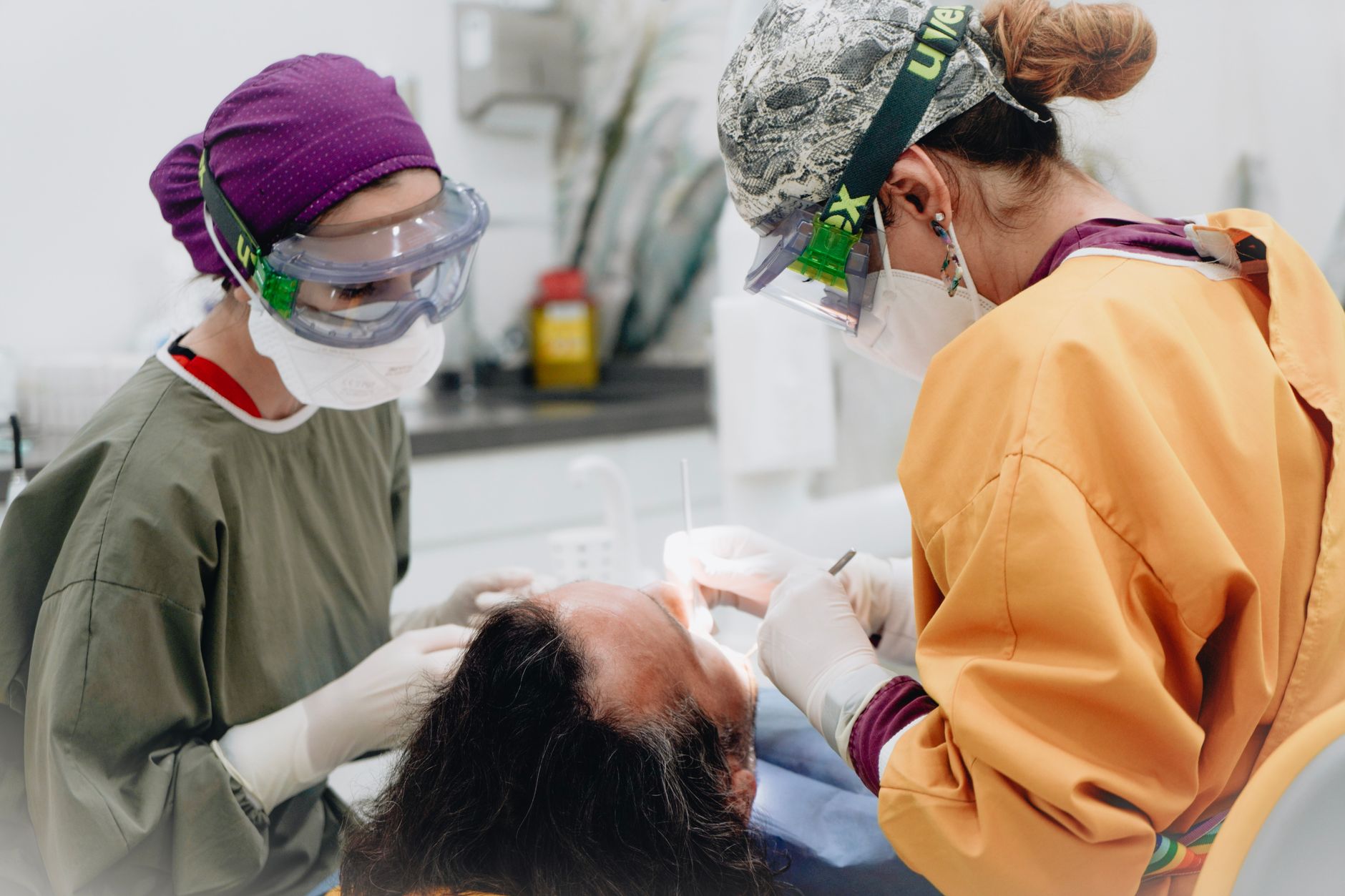
In the ever-evolving world of healthcare, artificial intelligence is no longer merely a futuristic concept but an active participant reshaping how care is delivered. The crux of the matter lies in how effectively AI can be woven into the existing healthcare pathways without compromising patient safety or clinician oversight.
Recent surveys indicate a growing consumer trust in AI-driven health tools, with a notable 32% of U.S. adults having engaged with AI chatbots for health advice. This burgeoning trend reflects a shift in public confidence towards technology-driven solutions, a shift that healthcare systems must now contend with.
The Need for a Balanced Approach
While the potential benefits of AI in triaging symptoms and directing patients are undeniable, the integration process must be underpinned by stringent regulatory frameworks. These frameworks are essential not only for reimbursement but also to ensure that AI tools complement rather than replace the critical eye of a trained clinician.
Safety protocols, such as mandatory disclaimers and stringent allergy checks, form the backbone of these frameworks. It’s imperative that the outputs of AI, particularly those influencing diagnosis or treatment, are signed off by a human professional. Such measures ensure that the technology serves as an aid rather than an autonomous entity.
Looking Ahead: The Future Health Summit
The upcoming Future Health Summit in Dubai promises to delve deeper into these issues, setting the stage for meaningful dialogue among stakeholders. The Digital Health & AI Forum will explore how AI can continue to transform healthcare while maintaining the delicate balance between innovation and regulation.
As AI continues to permeate healthcare, its role in eliminating geographical barriers and enhancing accessibility cannot be overstated. However, the path to seamless integration is fraught with challenges that must be navigated with care and foresight.