AI's Quiet Revolution: How Machines Are Shaping Political Speeches
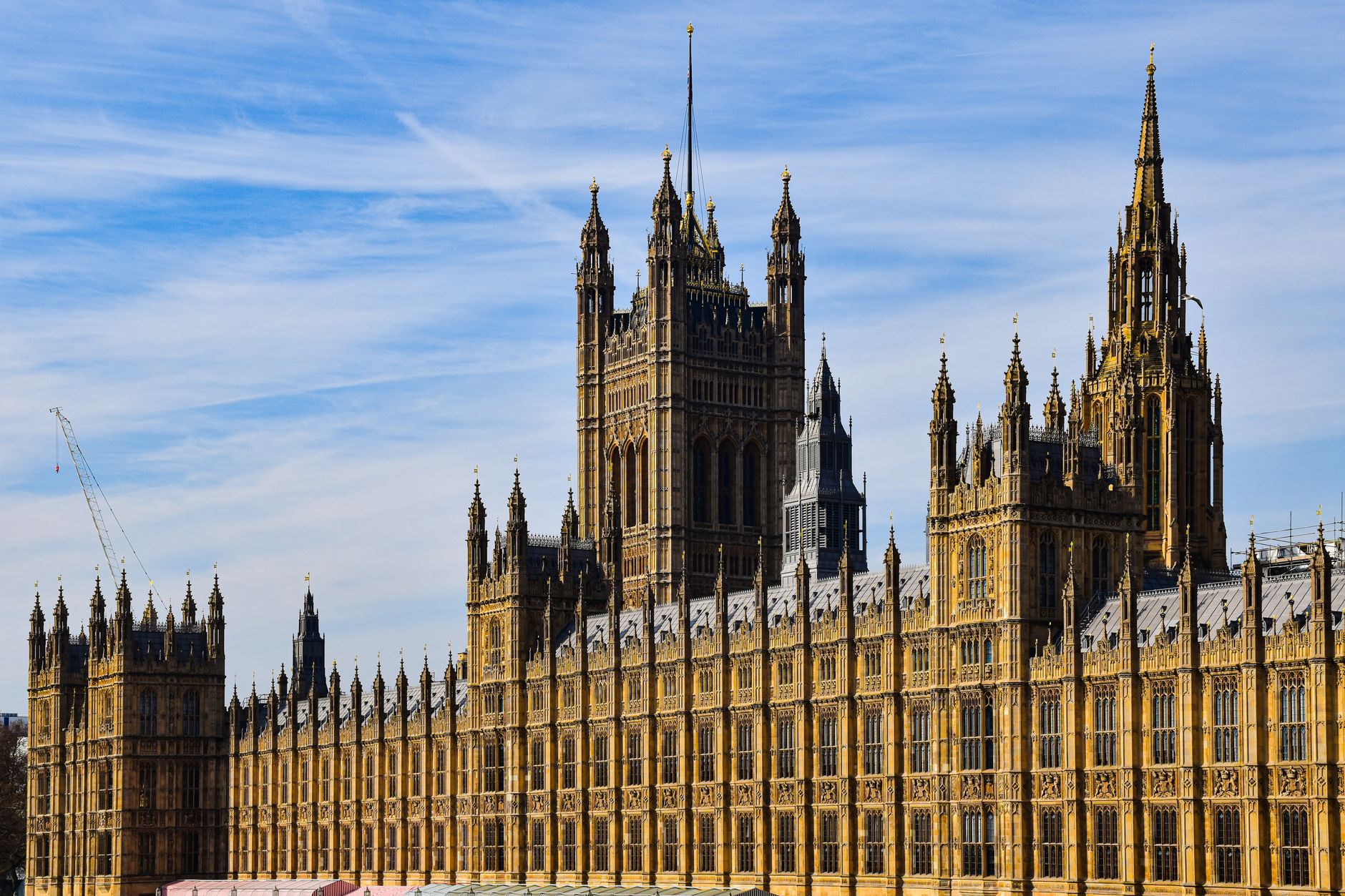
In a quiet but profound shift, the hallowed halls of Parliament are echoing with words not entirely authored by the human minds that deliver them. The advent of AI-written speeches is subtly reshaping the political landscape, as MPs increasingly turn to technology to articulate their ideas.
Recent reports have unveiled a surprising trend: a significant portion of parliamentary speeches, particularly in the UK and Sweden, have been crafted with the help of AI tools like ChatGPT. This revelation has sparked a debate about democratic accountability and the authenticity of political discourse.
One MP, whose speeches were analysed, expressed disbelief at the suggestion that AI had a hand in his parliamentary addresses. "I write my speeches," he insisted, though the data suggested otherwise. The use of AI in politics is not entirely new; after all, politicians have long relied on speechwriters. However, the seamless integration of AI into this process raises questions about transparency and the potential erosion of personal accountability.
Balancing Efficiency and Authenticity
Proponents argue that AI offers efficiency, allowing MPs to focus on more critical legislative duties. The technology can analyse vast amounts of data rapidly, providing speeches that are both data-driven and eloquent. Yet, the clunkiness of AI prose, which often lacks the human touch, can be a tell-tale sign of its non-human origin.
The issue extends beyond mere authorship. AI's role in shaping public opinion and policymaking is under scrutiny. Without clear regulations governing its use, the risk of AI-generated content swaying political agendas looms large.
The Road Ahead
As AI becomes more integrated into parliamentary functions, the call for oversight grows louder. Ensuring transparency and maintaining the integrity of political discourse is paramount. Some advocate for explicit disclosure when AI tools are used in speechwriting, allowing the public to discern the origins of the words spoken by their representatives.
Ultimately, the challenge lies in harnessing AI's potential without compromising the authenticity and accountability that underpin democratic institutions. As the political sphere grapples with these emerging technologies, the future of AI in politics remains a topic of intense debate and scrutiny.