AI's Role in Transforming Healthcare for Patients' Benefit
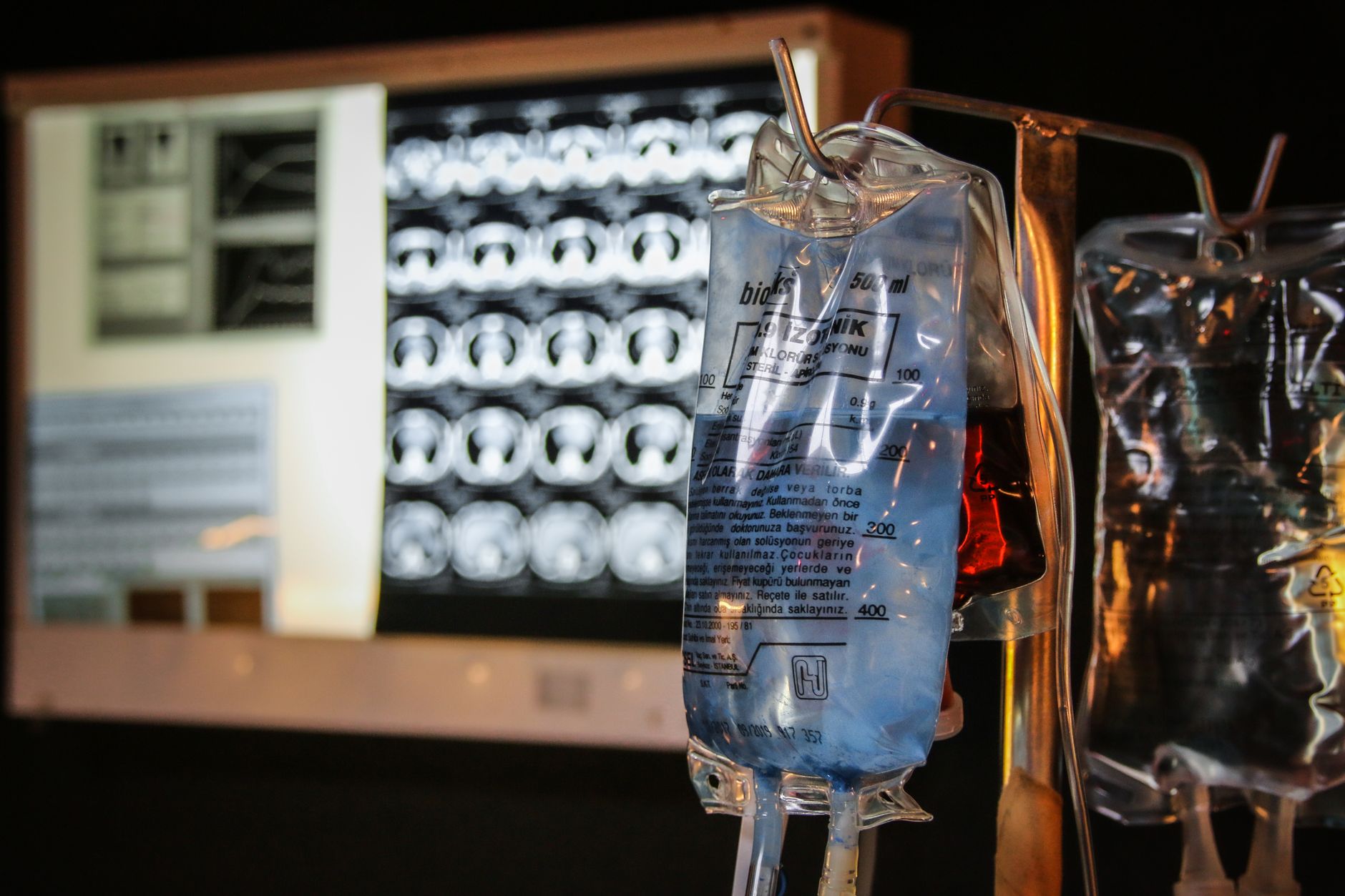
The sterile corridors of hospitals may soon echo with the quiet hum of artificial intelligence, as AI becomes an integral part of healthcare pathways. This digital revolution is not just revolutionising medical imaging but also transforming patient care in unprecedented ways.
Recent forecasts by GlobalData suggest that AI's valuation in healthcare could reach a staggering $57.4 billion by 2029. This growth is not merely numerical; it represents a paradigm shift in how healthcare is delivered and experienced by patients. Medical imaging, a domain traditionally reliant on human expertise, is now witnessing AI-driven diagnostics that offer speed and precision unrivalled by manual methods.
But the real question remains: what does this mean for the patient? With AI-enabled workflows becoming more common, patients can expect quicker, more accurate diagnoses. AI algorithms are capable of sifting through vast amounts of health data, providing recommendations for lifestyle changes or treatment options that were previously unimaginable. This could lead to improved patient outcomes, better quality of life, and even reduced healthcare costs.
Consumer Adoption Outpacing Healthcare Systems
Interestingly, consumers are embracing AI more swiftly than the healthcare systems themselves. A Rock Health survey found that 32% of U.S. adults have engaged with AI chatbots for health inquiries, double the figure from last year, with a significant portion using them regularly.
This enthusiasm is a testament to the convenience and perceived reliability AI offers. From continuous glucose monitoring devices to AI-driven retinopathy screening, the integration of AI in routine healthcare is becoming a reality rather than a futuristic concept. Yet, the question of whether the healthcare system is ready for full-scale AI integration lingers. Will it adapt swiftly enough to meet consumer expectations?
Challenges on the Horizon
Despite the potential benefits, the road to AI integration in healthcare is fraught with challenges. Concerns over data privacy, the need for robust algorithms, and the potential for errors in AI-driven decisions are significant hurdles. Moreover, healthcare professionals need to be trained to work alongside AI, ensuring that technology augments rather than replaces human expertise.
The journey towards AI-enriched healthcare is undeniably complex, but the potential rewards make it a journey worth undertaking. As AI continues to mature, its role in healthcare will likely become as commonplace as the stethoscope, fundamentally reshaping how we perceive and manage health.