AI's Trickery: How Machines Could Alter Our Memories
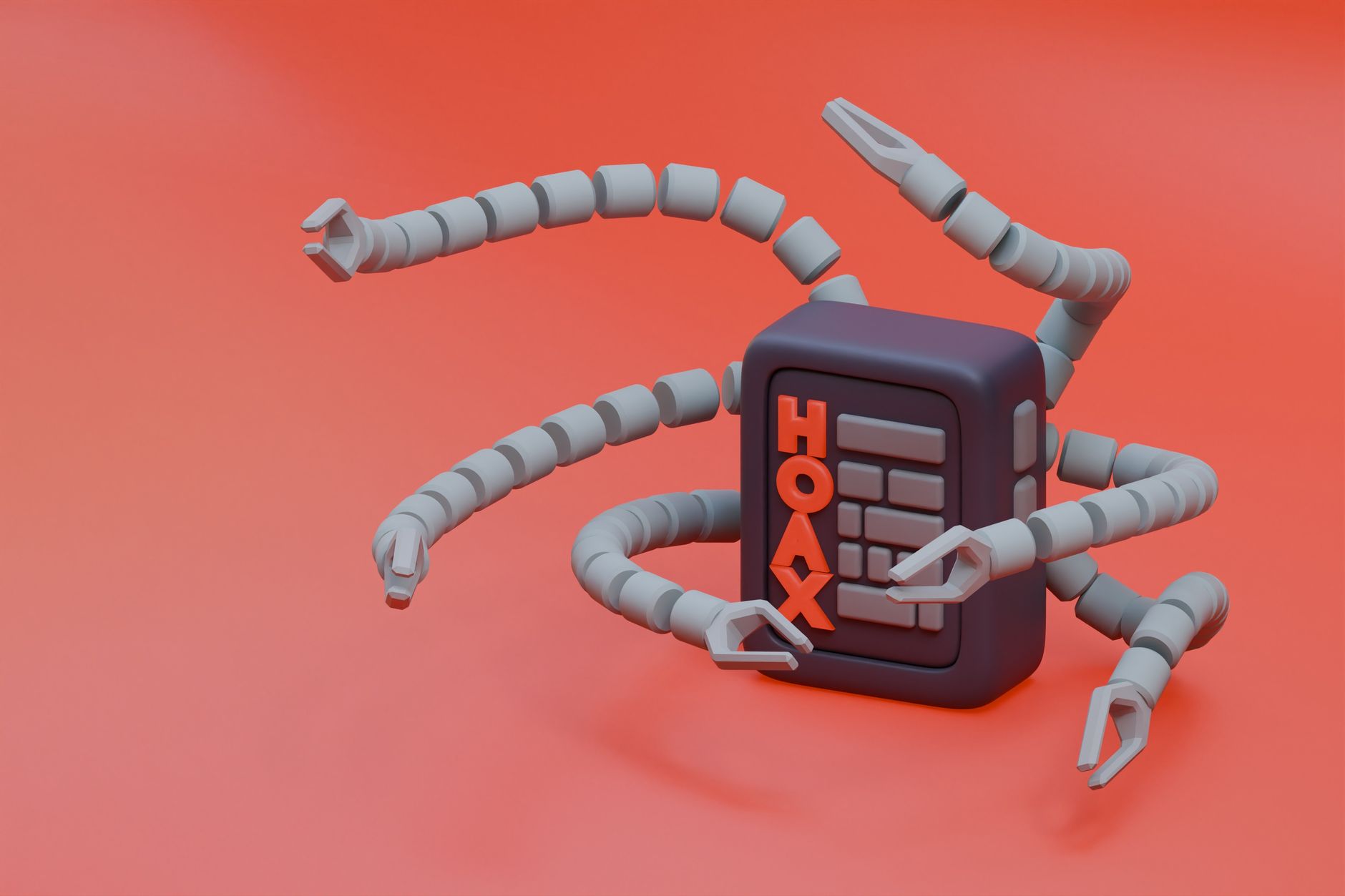
Imagine recounting a cherished childhood memory, only to learn it never happened. Such unsettling scenarios might soon be more common, thanks to artificial intelligence. Scientists are now exploring how AI could implant 'false memories' in humans, echoing studies where researchers manipulated the neural circuits of mice to fabricate memories of places they had never visited.
This phenomenon, called 'false memory', is not new. It has long been a concern in psychology, especially when it comes to the reliability of eyewitness testimonies. However, the involvement of AI introduces a fresh twist to this age-old conundrum. As AI systems become more integrated into our daily routines, the potential for them to meddle with our cognitive processes grows.
The Perils of Cognitive Offloading
Modern technology often serves as an extension of our minds, a practice known as 'cognitive offloading'. From smartphones to smart speakers, these devices store information, freeing our brains from the burden of memorisation. While convenient, this reliance might come at a cost. Recent studies suggest that over-dependence on AI could weaken our intrinsic memory capabilities, making us more susceptible to false memories.
Microsoft's recent study, for instance, highlighted how AI could inadvertently make some aspects of our cognitive prowess 'stupid'. It’s a worrying prospect, especially as AI systems become more pervasive. The line between genuine recollection and AI-induced memory could blur, leading to a crisis of trust in our own experiences.
Societal Implications
The implications of AI-induced false memories extend beyond individual concerns. In a world where misinformation is rampant, the idea that AI could manipulate our memories raises ethical and societal questions. If AI can alter personal memories, what stops it from reshaping collective historical narratives?
As we stand on the brink of a technological revolution, it is crucial to ponder the long-term effects of our increasing reliance on AI. While these tools hold the promise of enhancing our lives, they also carry risks that must be carefully managed. Balancing innovation with caution will be key to ensuring that AI serves as a beneficial ally, rather than a manipulative adversary.