AI's Viral Triumph: New Frontiers and Safety Concerns
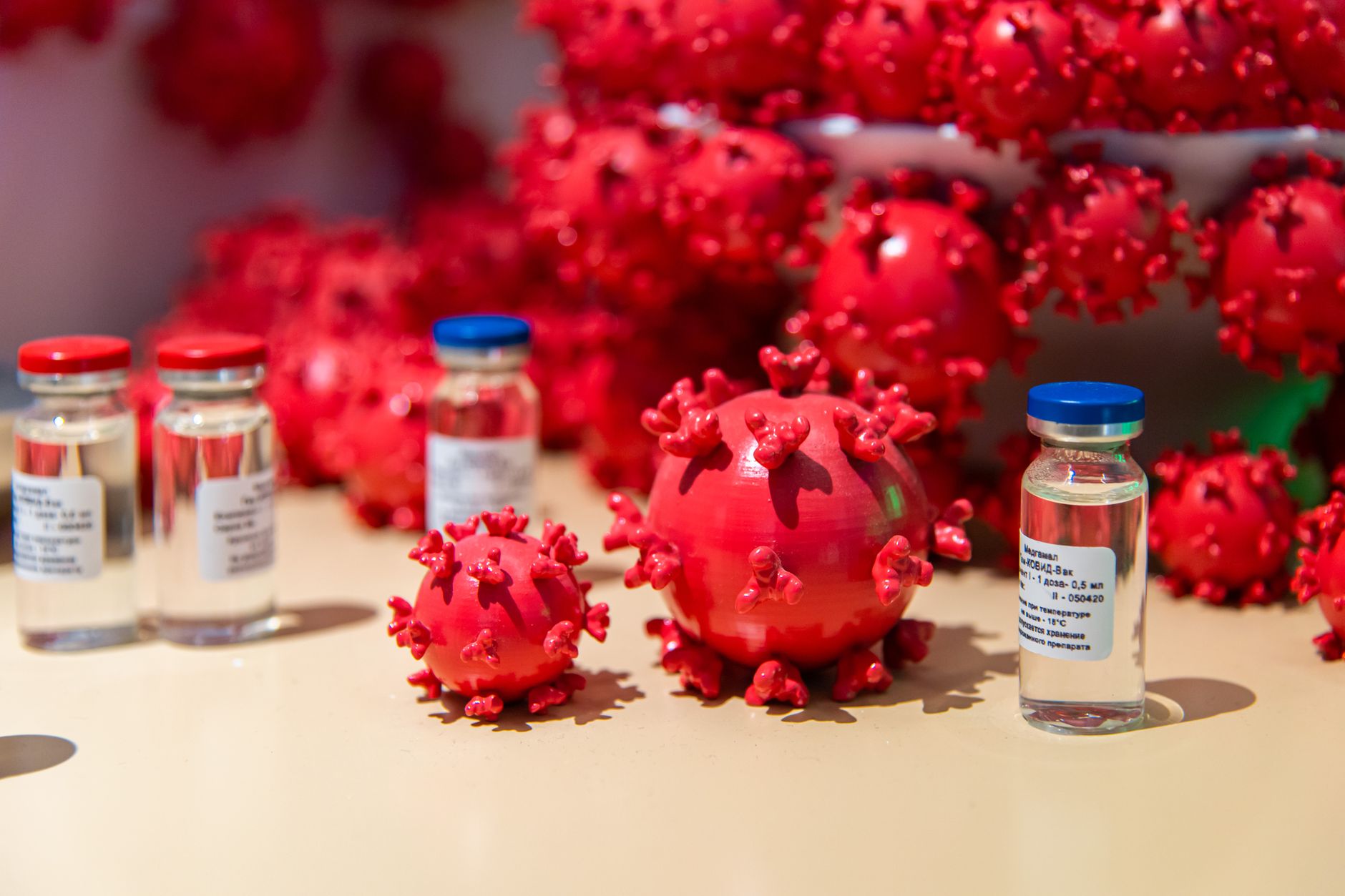
The age of artificial intelligence has taken a dramatic leap forward as scientists successfully design and synthesise viruses using AI. This groundbreaking achievement heralds both hope and trepidation, marking a new era in synthetic biology. With 16 novel viruses now in existence, designed to infect bacteria, the potential for medical advancements is immense. However, the spectre of misuse looms large.
Experts from Stanford University, at the helm of this innovation, employed generative AI to craft viral genomes—a feat never before accomplished. This technological milestone, while promising, underscores a critical gap in the regulatory frameworks governing such advancements. The question of how to harness AI's power responsibly remains at the forefront of scientific discourse.
While the potential for new treatments is tantalising, the dangers of unregulated applications cannot be overstated. The creation of organisms not found in nature raises ethical questions about the boundaries of scientific exploration. Critics argue that without stringent oversight, the risk of these novel viruses being used for nefarious purposes cannot be ignored.
As the scientific community stands at this crossroads, governments worldwide are urged to act swiftly. The balance between innovation and safety is precarious, and the need for robust policies has never been more pressing. This development serves as a clarion call for international cooperation in crafting regulations that ensure the beneficial use of AI in biology while safeguarding against potential threats.
At a time when AI's capabilities are expanding at an unprecedented pace, the synthesis of these viruses is both a testament to human ingenuity and a reminder of the profound responsibilities it entails. As we navigate these uncharted waters, the stakes—ethical, practical, and existential—have never been higher.