Allahabad High Court Criticises UP Schools Over Literacy Failures
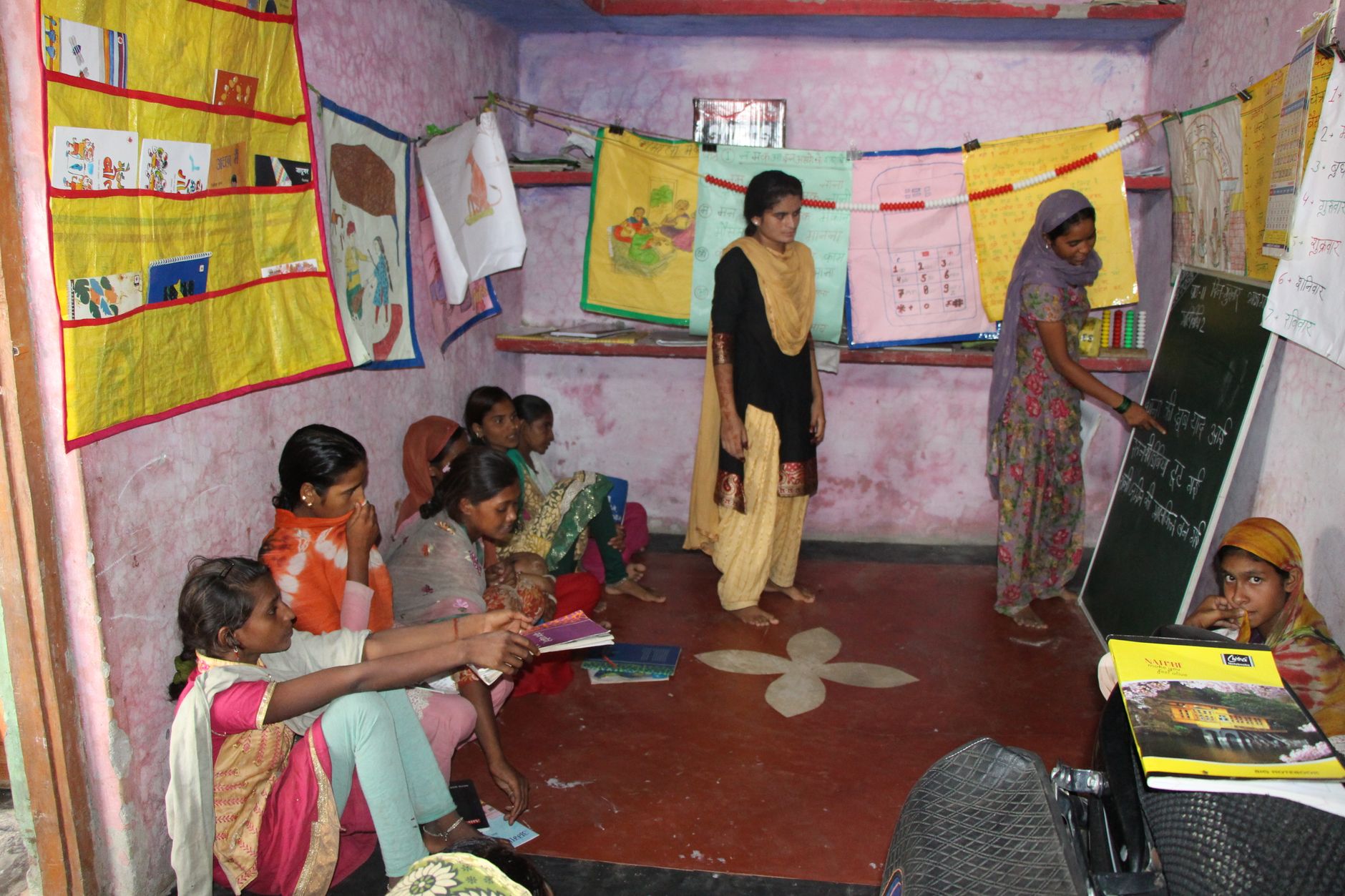
In a judicial session that could have passed unnoticed, the Allahabad High Court voiced a concern that cuts to the core of Uttar Pradesh's education system. During a hearing of a POCSO case, a young girl, educated up to Class V, failed to read a basic passage. This incident, though seemingly isolated, has sparked a broader debate about the efficacy of the state's educational institutions.
With the court questioning the foundation of literacy in the state's schools, the spotlight has been firmly placed on whether these institutions are fulfilling their primary duty. The girl, whose inability to read was brought to light during a sensitive legal procedure, symbolises a larger educational malaise that plagues many parts of India.
Systemic Shortcomings
The court's remarks have prompted a wave of introspection across the education sector. Experts point to systemic issues such as overcrowded classrooms, insufficient teacher training, and a curriculum that prioritises rote learning over genuine understanding. These factors contribute to a scenario where students advance through grades without acquiring essential skills.
Such deficiencies have implications that extend beyond individual cases. They question the very purpose of schooling if students emerge without the basic ability to read, write, and comprehend. The court's observations are a wake-up call, urging stakeholders to reassess and reform the mechanisms that have long been taken for granted.
Call for Action
The judiciary's intervention serves as a reminder that education is not merely about fulfilling a legal mandate but equipping future generations with the tools they need to navigate the world. While the UP government has initiated programmes to improve literacy rates, the court's critique suggests that much remains to be done.
The issue is not isolated to Uttar Pradesh alone. Across India, the challenge of ensuring quality education is a persistent one. However, the spotlight on this particular case might just be the impetus needed for a broader, nationwide educational reform.