Amid NEET Protests, Government Shuffles Higher Education Leadership Again
In an unforeseen midnight manoeuvre, the Indian government has installed Deepti Gaur Mukherjee as the new Secretary of Higher Education, marking the second change in this pivotal role within a span of weeks. Her predecessor, Naresh Pal Gangwar, was appointed only recently amidst growing unrest over the NEET-UG examination paper leak scandal.
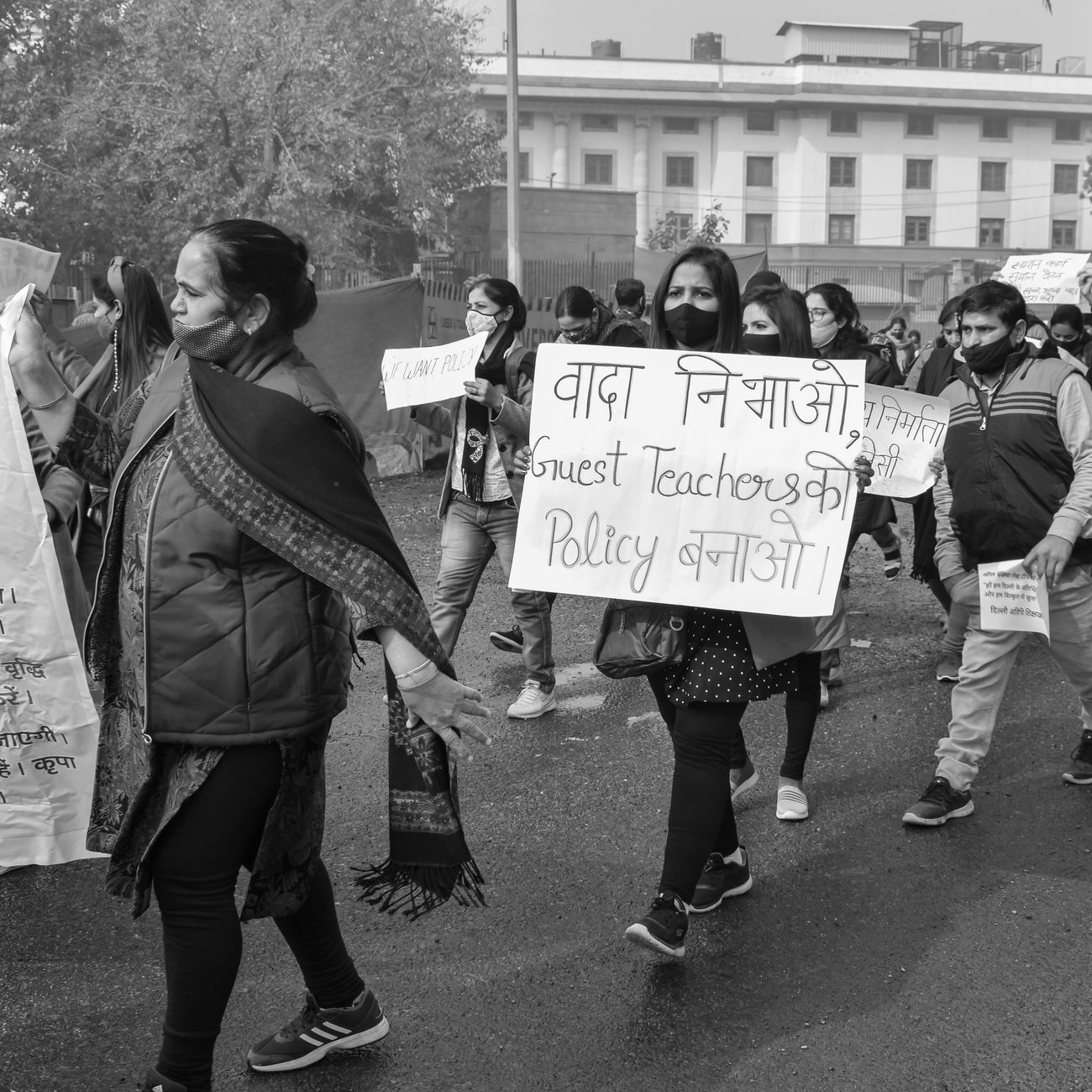
The reshuffle comes as the government grapples with mounting pressure from students and opposition leaders, calling for transparency and accountability in the aftermath of the alleged paper leak. The controversy has triggered nationwide protests, with demonstrators demanding the resignation of Union Education Minister Dharmendra Pradhan.
A Political Turmoil
The NEET-UG examination, a crucial gateway for aspiring medical students, has been mired in controversy following allegations of a significant breach in examination integrity. This incident has sparked a wave of protest across the country, with students demanding a thorough investigation and stringent reforms.
Congress leader Sonia Gandhi has been particularly vocal, criticising the Modi administration for what she described as 'wanton cruelty' in handling the students' grievances. Her rebuke underscores the increasing political tension surrounding the issue, as opposition parties rally behind the students.
Implications for Education Policy
The appointment of Mukherjee is expected to bring both challenges and opportunities. Known for her administrative acumen, she faces the daunting task of restoring faith in the education system while addressing the demands for reform. The government's decision to shuffle the leadership at this juncture highlights the urgency of placating public discontent.
Observers note that the changes reflect a broader strategy to mitigate the fallout from the protests, suggesting that the government is keen to demonstrate responsiveness to public sentiment. However, critics argue that such reshuffles are merely cosmetic, lacking the substantive policy changes required to address systemic issues within India's higher education framework.
As the protests continue unabated, the focus will remain on how Mukherjee navigates these turbulent waters. Her success, or lack thereof, could have long-standing implications for the credibility of the government's education policy and its ability to manage public discontent.