AMU Reawakens Student Democracy Amidst Fierce Protests
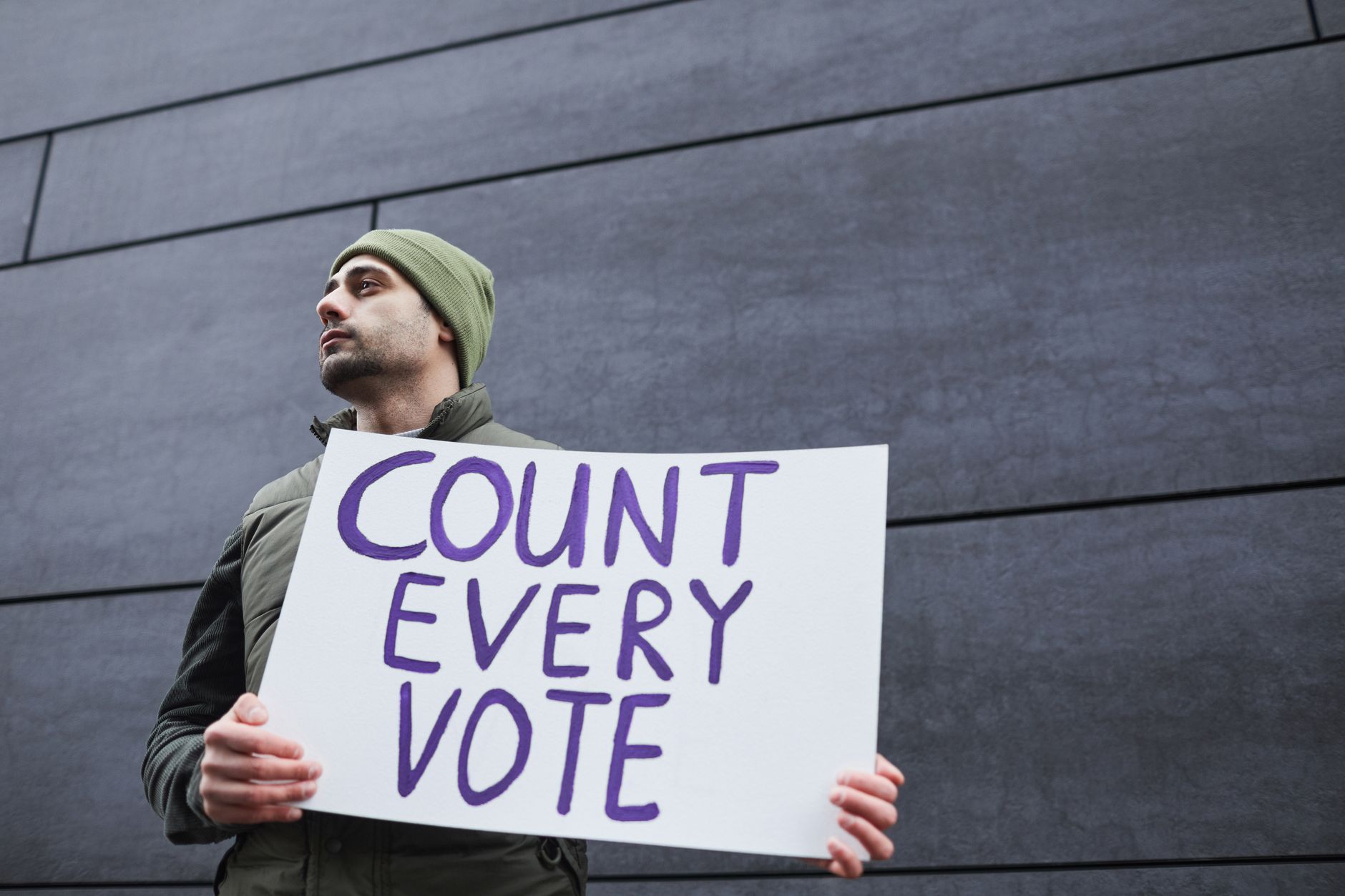
In a remarkable turn of events, the historic Aligarh Muslim University (AMU) has capitulated to the fervent demands of its student body, pledging to restore the long-dormant student union elections on 5th November. This decision comes after weeks of escalating protests, including an impassioned 19-day hunger strike led by students determined to reclaim their voice in university affairs.
The protests, initially sparked by a contentious fee hike, quickly evolved into a broader movement highlighting the absence of democratic representation on campus. The students’ persistent call for elections underscored a growing discontent with the administration's handling of student issues, which many viewed as lacking transparency and inclusivity.
A Legacy of Resistance
Student activism is not new to AMU. The university has a storied history of political engagement, often reflecting broader societal shifts. However, the suspension of student union elections in recent years had stifled this tradition, leaving many to question the future of student governance.
Professor Naima Khatoon, AMU's Vice-Chancellor, acknowledged the importance of the students' demands. In a bid to quell the unrest, she not only agreed to the elections but also replaced the university's Proctor, appointing Professor Nafees Ahmed Ansari from the Political Science Department. This move is perceived as a gesture towards more inclusive governance.
Broader Implications
The restoration of student union elections at AMU is more than a victory for the students; it is a significant reaffirmation of democratic principles within educational institutions. The decision may also serve as a bellwether for other universities grappling with similar issues across India.
As the elections approach, the challenge now lies in maintaining the momentum of student engagement and ensuring that the union, once elected, effectively represents the diverse student body. The eyes of the academic world will be on AMU, watching how this revitalised democratic exercise unfolds and what it might herald for the future of student politics in India.
For the students of AMU, this victory is a testament to the power of collective action, a reminder that even in the face of institutional inertia, change is possible when voices unite for a common cause.