Anand's Fiery Rebuke: Election Commission Under Fire
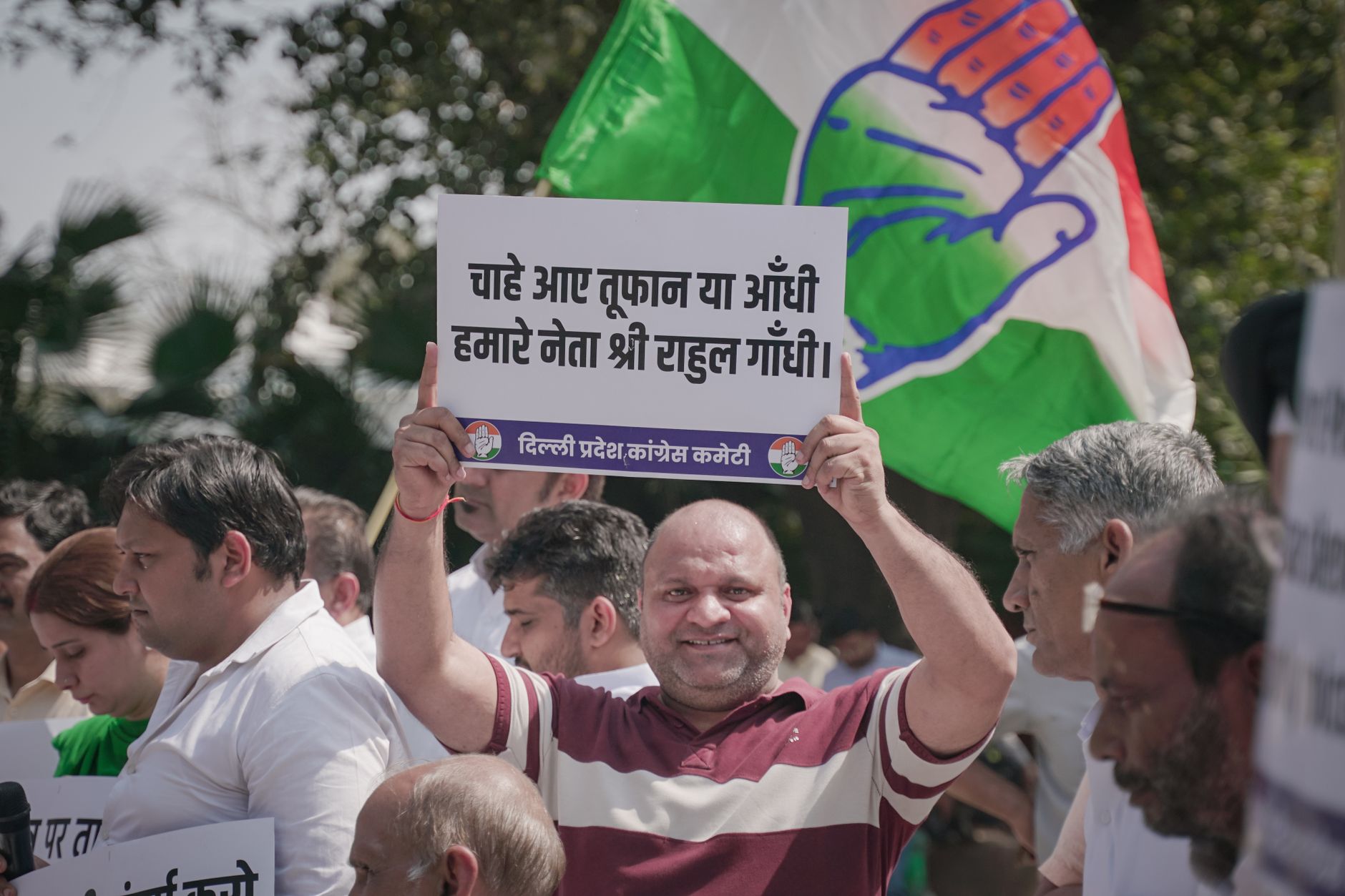
Anand Ranganathan, known for his unflinching critiques, has directed his ire at the Election Commission of India (ECI), accusing it of turning a blind eye to Congress leader Rahul Gandhi's allegations of voter list manipulation. The controversy has been simmering since Gandhi accused Chief Election Commissioner Gyanesh Kumar of illegally altering Form 6, a pivotal document in voter registration.
The accusations have sparked a political storm, with Congress general secretary K C Venugopal demanding Kumar's resignation. According to Venugopal, an internal report by the Indian Express highlighted dissent within the Commission itself, lending credence to Gandhi's claims.
Allegations and Denials
Gandhi's accusations centre on the Special Intensive Revision (SIR) of electoral rolls, a process meant to ensure accuracy and inclusivity in India's vast democratic exercise. However, the ECI has dismissed these claims as 'misleading', asserting that the modifications were legally sanctioned and upheld by the Supreme Court.
Despite the Commission's defensive posture, calls for Kumar's resignation have intensified. Nationwide protests, led by opposition parties and civil society, reflect growing frustration with the alleged irregularities. This is not the first time the ECI has found itself in the crosshairs; historical tensions between political entities and the poll body have been a recurring theme in Indian politics.
A Crisis of Confidence?
At the heart of the controversy lies a crisis of confidence in the electoral process. The Commission, tasked with upholding the sanctity of elections, finds its integrity questioned. As the dispute unfolds, it highlights broader issues of transparency and accountability within Indian democratic institutions.
While the ECI insists on its procedural correctness, the political fallout continues to ripple. For Anand Ranganathan, the silence of the Election Commission amidst such serious allegations is 'spineless', a sentiment echoed by many who fear for the future of India's democracy.