Ancient Cosmic Origins: Unveiling the Birthplace of Supermassive Black Holes
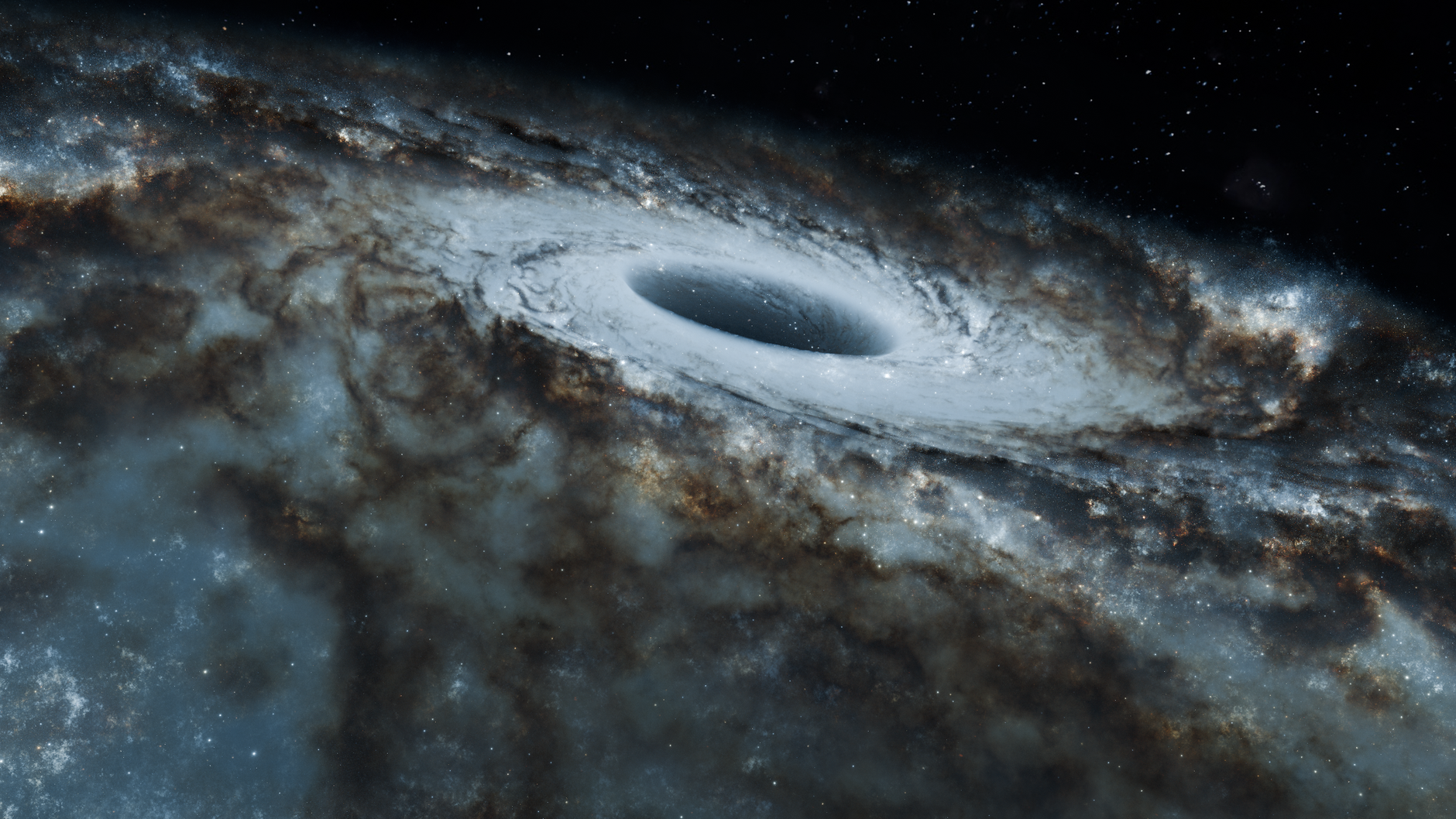
In an extraordinary leap forward for astrophysics, a team of researchers has successfully measured the ancient environments in which the Universe's first supermassive black holes came into being. These cosmic giants, formed a mere 500 million years post-Big Bang, provide a tantalising glimpse into the conditions of the early Universe.
The study, a collaborative effort involving astronomers from around the globe, has delved into the origins of these enigmatic entities. The research posits that supermassive black holes could have formed through a process known as direct collapse, where massive clouds of gas and dust collapsed under their own gravity to create colossal seeds. This theory challenges previous notions that such black holes were the result of slower, more gradual processes.
Dr. Amelia Carter, the lead researcher from Cambridge University, remarked, "Understanding the birth of supermassive black holes allows us to piece together the complex puzzle of our Universe's history. These findings suggest a Universe that was far more dynamic and rapidly evolving than we previously imagined."
Implications for Cosmic Evolution
The implications of this discovery are profound. Supermassive black holes are known to reside at the centres of most galaxies, including our own Milky Way. Their formation and growth could have played a pivotal role in shaping galaxies and influencing the distribution of matter throughout the cosmos.
The research utilised advanced computer simulations to recreate the early Universe's conditions, identifying potential sites where these black holes might have formed. The simulations revealed that such environments were not the exception but rather a common occurrence in the nascent Universe.
A New Chapter in Astronomical Research
This breakthrough opens new avenues for further exploration into the early Universe. By understanding the conditions that fostered the creation of these massive black holes, scientists can refine models of cosmic evolution and potentially unlock secrets about other cosmic phenomena.
As Dr. Carter notes, "We stand at the cusp of a new era in astronomical research, where the mysteries of the early Universe are within our reach. This discovery is not just about the past; it's about understanding the forces that continue to shape the cosmos today."
While the research raises many questions, it undeniably marks a significant step towards understanding the Universe's formative years. The findings underscore the importance of continued exploration, as each discovery brings us closer to a comprehensive understanding of our cosmic origins.