Andromeda Shines in Southern Skies This Spring
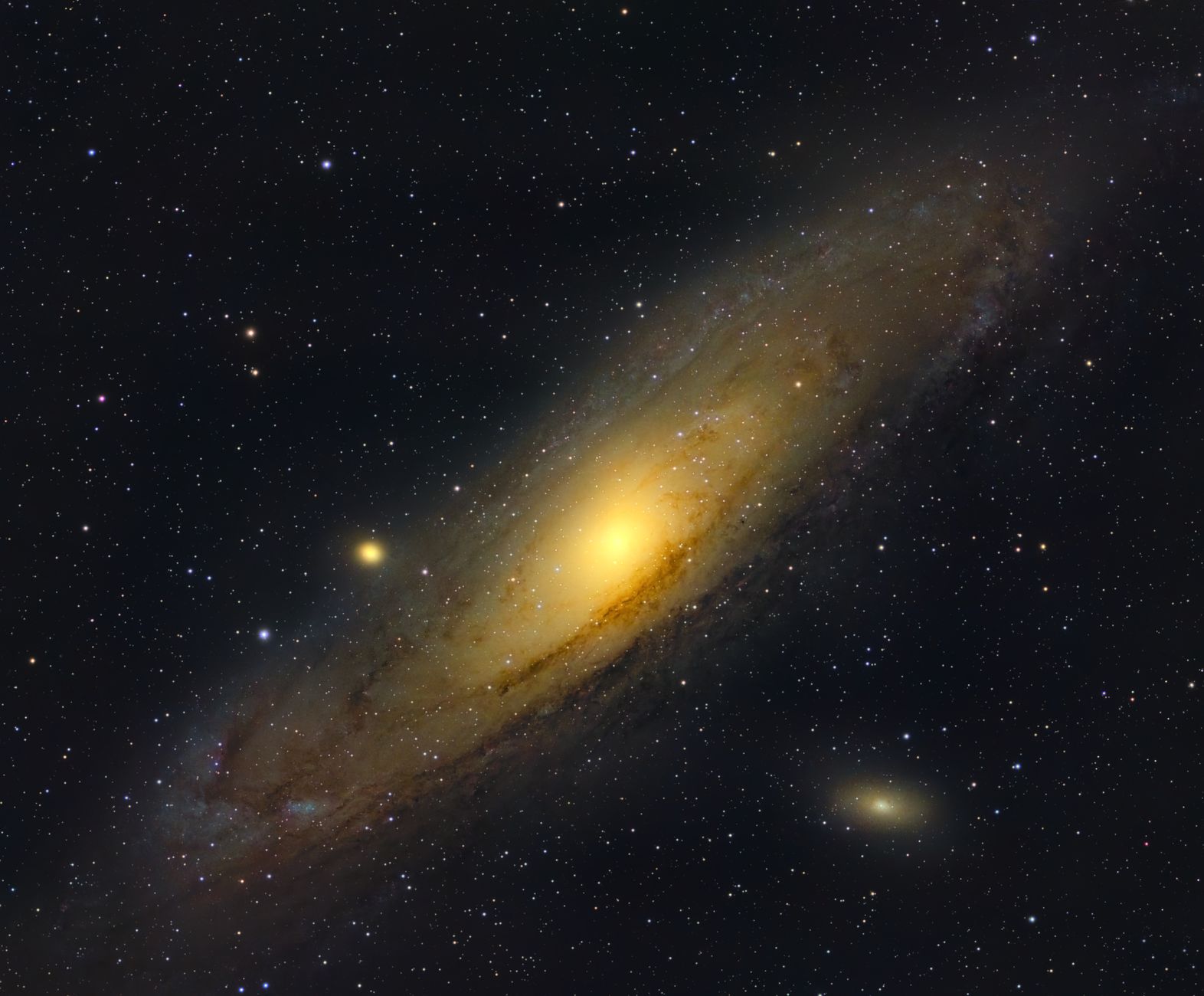
The southern hemisphere's springtime offers more than just blooming flora; it presents a celestial display of grandeur. On the night of 23 October 2026, the Andromeda Galaxy, our nearest galactic neighbour, will be at its brightest, perched high above the Australian hills.
This spectacle, captured in NASA's Astronomy Picture of the Day (APOD), is not merely a feast for the eyes. It is an invitation to ponder the mysteries of the universe. The APOD archive, a treasure trove since 1995, has continuously engaged and educated the public with daily astronomical revelations. Founded by astronomers Robert Nemiroff and Jerry Bonnell, it has become a staple in astronomy outreach.
On this particular night, multiple exposures have revealed the intricate details of Andromeda's spiral arms. The galaxy is not just a distant object; it is a reminder of the universe's vastness and the dynamic nature of celestial bodies. As it climbs higher above the horizon, it becomes a beacon for those passionate about stargazing.
Astronomy's Educational Role
The significance of APOD extends beyond the aesthetic. It serves as an educational tool, sparking interest in astronomy among enthusiasts and novices alike. By making complex astronomical phenomena accessible, it encourages further exploration and understanding of our place in the cosmos.
With the Andromeda Galaxy as the highlight, this October night offers an opportunity for reflection and discovery. As we gaze upon this spiral galaxy, we are reminded of the interconnectedness of the cosmic tapestry.