Antarctic Sea Ice Reaches 2026 Peak Amidst Climate Worries
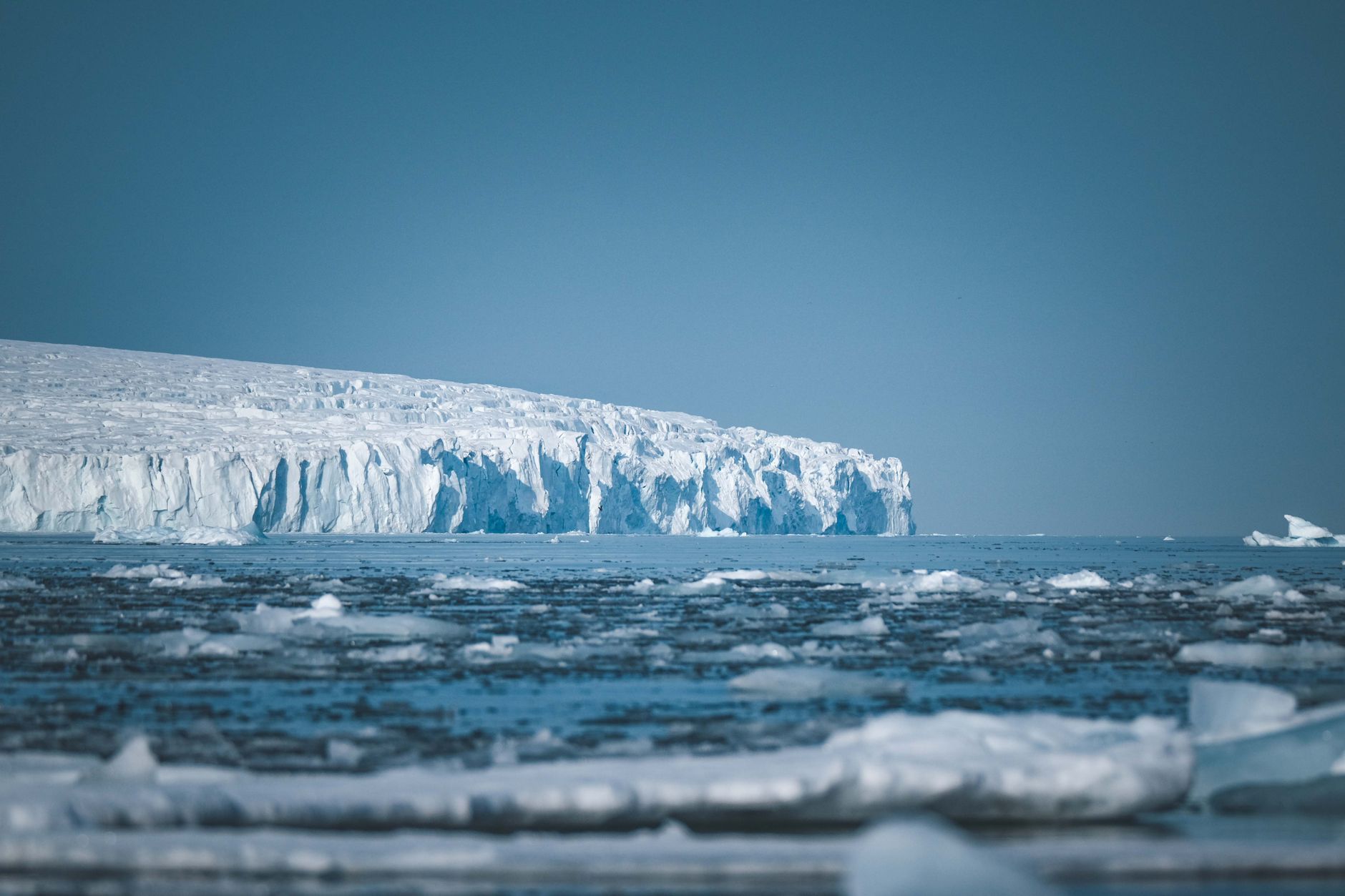
In a year fraught with climatic unpredictability, the Antarctic sea ice has reached its 2026 peak, a seasonal occurrence that belies the broader narrative of decline. As researchers observe these natural cycles, they caution against interpreting this as a reversal in the worrying trend of diminishing ice coverage.
The maximum extent, reported by the National Snow and Ice Data Center, offers a deceptive sense of normalcy. It arrives after a string of record low measurements, with the ice cover already registering as one of the smallest in historical records.
Seasonal Highs and Lows
While the growth of sea ice during the Antarctic winter is anticipated, the bigger picture reveals a troubling pattern. The past few years have witnessed unprecedented reductions, reflecting the complex interplay between natural variability and human-induced climate change. The ice's failure to recover to typical winter highs in recent years has raised alarms among scientists closely monitoring these polar shifts.
It is crucial to understand that sea ice plays a vital role in regulating the Earth's climate. Acting as a reflective shield, it helps to maintain global temperature balance. The declining trends observed in both the Arctic and Antarctic regions are indicative of broader environmental challenges, with potential implications for global weather patterns and sea levels.
Scientific Concerns
Experts are increasingly concerned about how these changes might accelerate climate impacts. The Antarctic, in particular, has been a focal point for studying the effects of climatic shifts, with its ice cover acting as a bellwether for global conditions.
Despite this year's maximum, the Antarctic continues to exhibit unusual variability. In 2023, it recorded historically low levels, aligning with climate models predicting a decrease in sea ice due to anthropogenic warming. These patterns underscore the need for sustained global efforts in climate mitigation and adaptation strategies.
As the world grapples with these sobering realities, the fluctuating Antarctic ice serves as a reminder of the delicate balance maintained by our planet's natural systems, and the urgent need to address the factors tipping this balance.