Antarctic Sea Ice Reaches 2026 Winter Maximum Amidst Record Lows
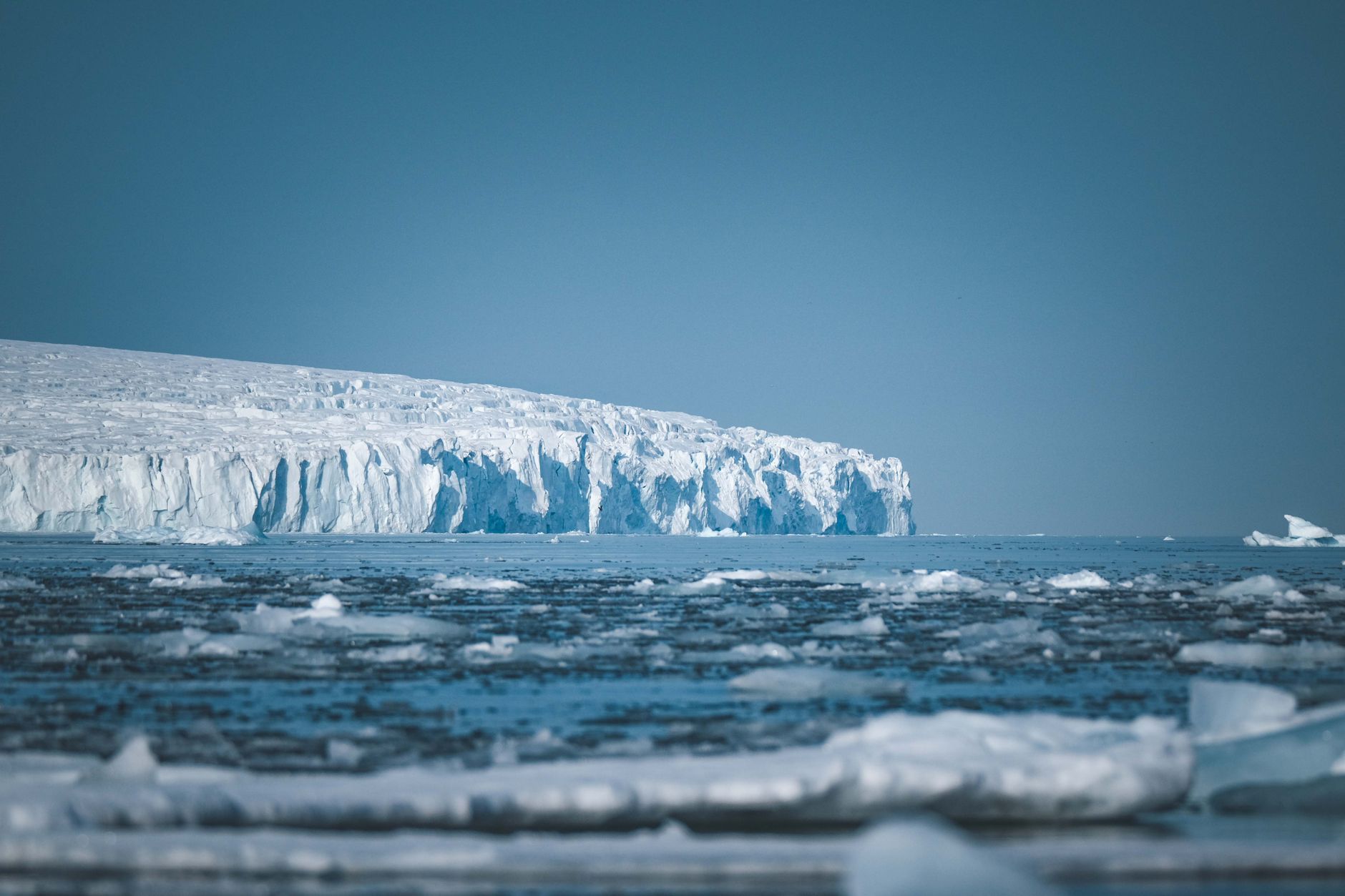
The Antarctic sea ice has reached its winter maximum for 2026, but this is no cause for celebration. While the ice cover stretched to 17.59 million square kilometres, this figure marks the third lowest winter maximum since satellite records began. The trend is unsettling, with the sea ice extent dropping sharply soon after reaching its peak, maintaining record low daily extents since early October.
Experts are pointing to a combination of warming ocean waters and shifting atmospheric patterns as culprits behind this downward trend. Unlike the seasonal ebb and flow typically expected, the recent dramatic decreases paint a worrying picture of potential long-term changes. Scientists have long warned that the consequences of anthropogenic warming would manifest in polar regions, and the recent data appear to affirm these prognoses.
Why It Matters
The Antarctic is a key player in regulating Earth's climate, and changes in its ice cover have far-reaching implications. Sea ice influences ocean currents and global weather patterns, and its loss could exacerbate the impacts of climate change. Additionally, the Antarctic's icy expanse reflects sunlight, helping to cool the planet. A reduction in sea ice diminishes this effect, accelerating warming.
While researchers continue to analyse the data, the consensus is clear: the changes observed are unprecedented and could signify a shift to a new climate regime. What was once considered a stable feature of the Earth's climate system is now teetering on the brink of transformation.
The Road Ahead
Addressing these shifts will require international cooperation and a commitment to reducing greenhouse gas emissions. As the ice continues to tell its story, the world must heed its warning. The urgency for policy action has never been more critical, and the stakes are nothing less than the future of our planet's climate stability.