Antarctica's Blood Falls: The Mystery of the Scarlet Stream
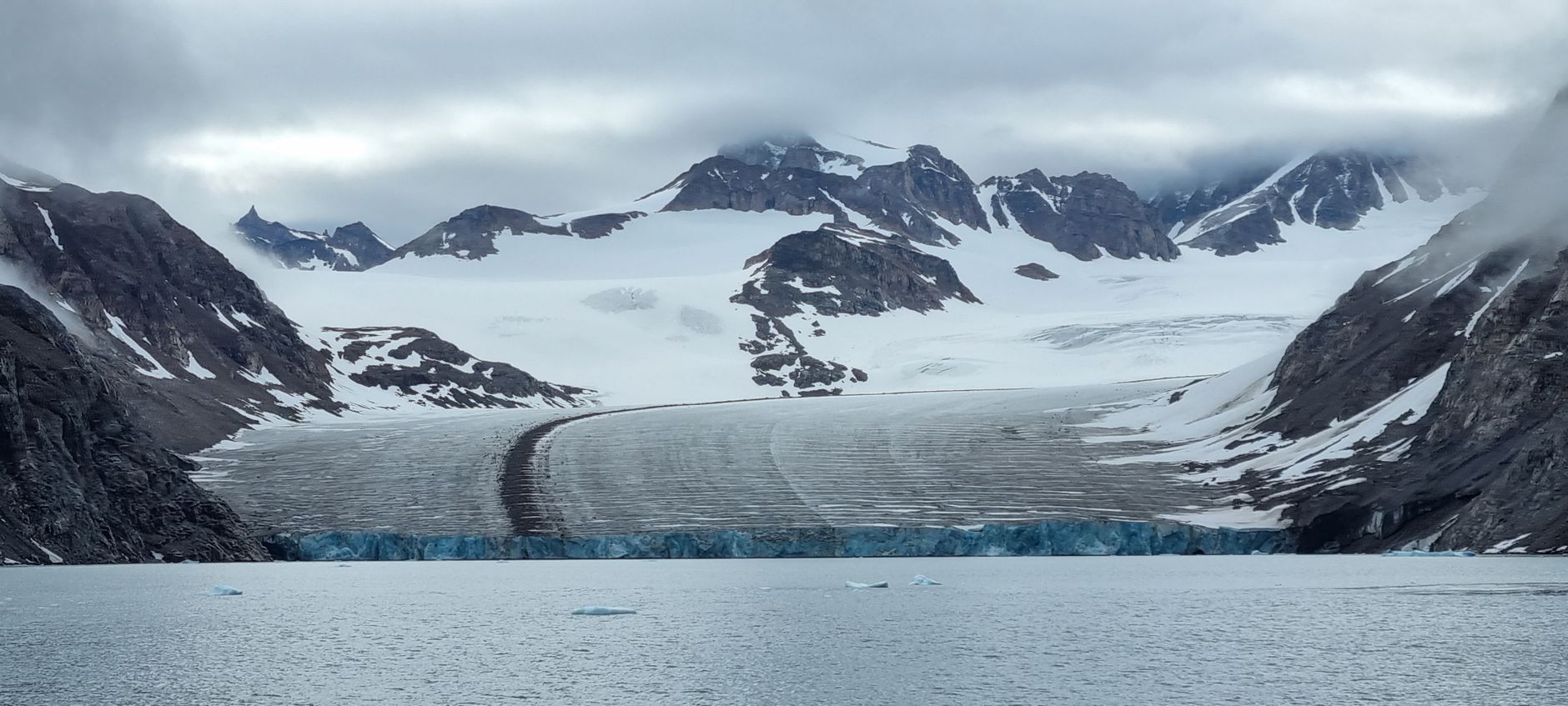
In the vast expanse of Antarctica's icy wilderness, a river of blood-red water flows out of Taylor Glacier, creating a surreal contrast against the pristine white landscape. This peculiar phenomenon, aptly named Blood Falls, has intrigued explorers and scientists since its discovery over a century ago.
The striking crimson colour of the falls is not the work of an otherworldly force or a dramatic geological upheaval, but rather a fascinating display of Earth's hidden chemistry. The secret lies in an ancient subglacial lake, trapped beneath the glacier for millions of years, untouched by the sun and isolated from the atmosphere.
The Science Behind the Scarlet
Researchers have discovered that the vivid red hue is caused by iron-rich saltwater that seeps from the ancient lake. As this water emerges and comes into contact with the air, the iron oxidises, much like rust forming on metal, turning the water a deep red. This process, although seemingly simple, speaks volumes about the complex and enduring geological processes at play beneath the glacier.
The lake beneath Taylor Glacier is believed to have been cut off from the world for over a million years, preserving a unique microbial ecosystem in the darkness. These hardy microbes metabolise sulphates and iron, contributing to the lake's unusual chemistry and the resultant spectacle above ground.
A Window into Earth's Past
Blood Falls offers scientists a rare opportunity to study conditions similar to those on early Earth, and perhaps even other celestial bodies. The extreme conditions and ancient microbial life forms may provide clues to life's resilience and adaptability in hostile environments.
In a world where much of the natural world is still shrouded in mystery, Blood Falls serves as a reminder of the planet's dynamic history and the secrets locked within its frozen depths. As researchers continue to study this eerie natural wonder, it becomes increasingly clear that there is still much to learn about our planet's ancient past and its potential futures.