Anthropic's Claude Watermarking: A New Challenge for Businesses?
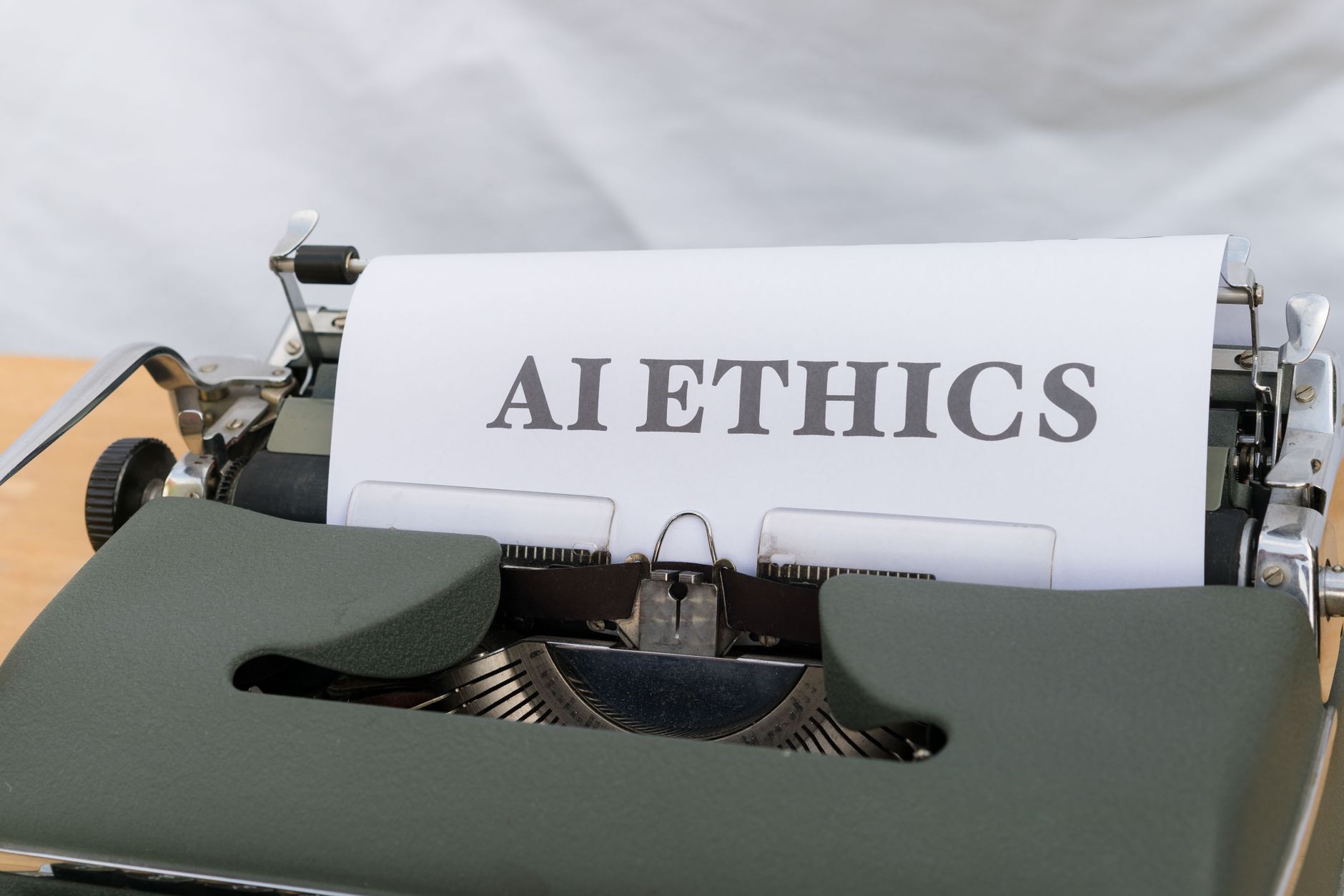
In a move that has ruffled feathers across the corporate world, Anthropic has introduced invisible watermarks on text processed by its AI model, Claude. This change, ostensibly to adhere to European Union regulations, is creating significant ripples, particularly among businesses relying on AI for editing and content generation.
The crux of the matter lies in the subtle, yet pervasive, watermarking that Anthropic has applied. While designed to be machine-readable, these marks have opened a Pandora's box of concerns about intellectual property and content authenticity. Many professionals worry that their work, even if merely proofread by Claude, might now be flagged as AI-generated. This has sparked a debate over the ownership of such content and its perceived value in a world increasingly wary of AI's creeping influence.
Implications for Businesses
For enterprises, the implications are profound. The watermark serves as a double-edged sword; on one hand, it ensures transparency about AI involvement, a nod to the EU's stringent AI Act. On the other, it casts a shadow over the integrity of content that has only passed through AI's digital hands. The question remains: will clients and consumers view this mark as a badge of efficiency or a scarlet letter of artificiality?
Legal experts are pondering the ramifications. If a document contains a watermark, does this undermine the human input it may still encapsulate? Businesses are left to navigate these uncharted waters, balancing the need for AI's expedience with the desire to maintain a human touch that reassures stakeholders of the content's authenticity.
Beyond Compliance
Anthropic's decision is not without its critics. Many have voiced their frustration, arguing that such measures are an overreach, stifling innovation and complicating workflows. One notable critic, Thompson, has been particularly vocal, lambasting the watermark as an unnecessary hurdle. His ire, however, underscores a larger tension: the struggle to reconcile AI's burgeoning capabilities with regulatory frameworks that lag behind technological advancements.
As businesses adapt to this new reality, the debate over AI's role in content creation and editing is far from over. The watermark, though invisible, marks a visible shift in the way businesses must approach AI-generated content. Whether this leads to greater transparency or further confusion remains a question of perspective.