Arctic Fossil Rediscovery Reveals New Giant Species
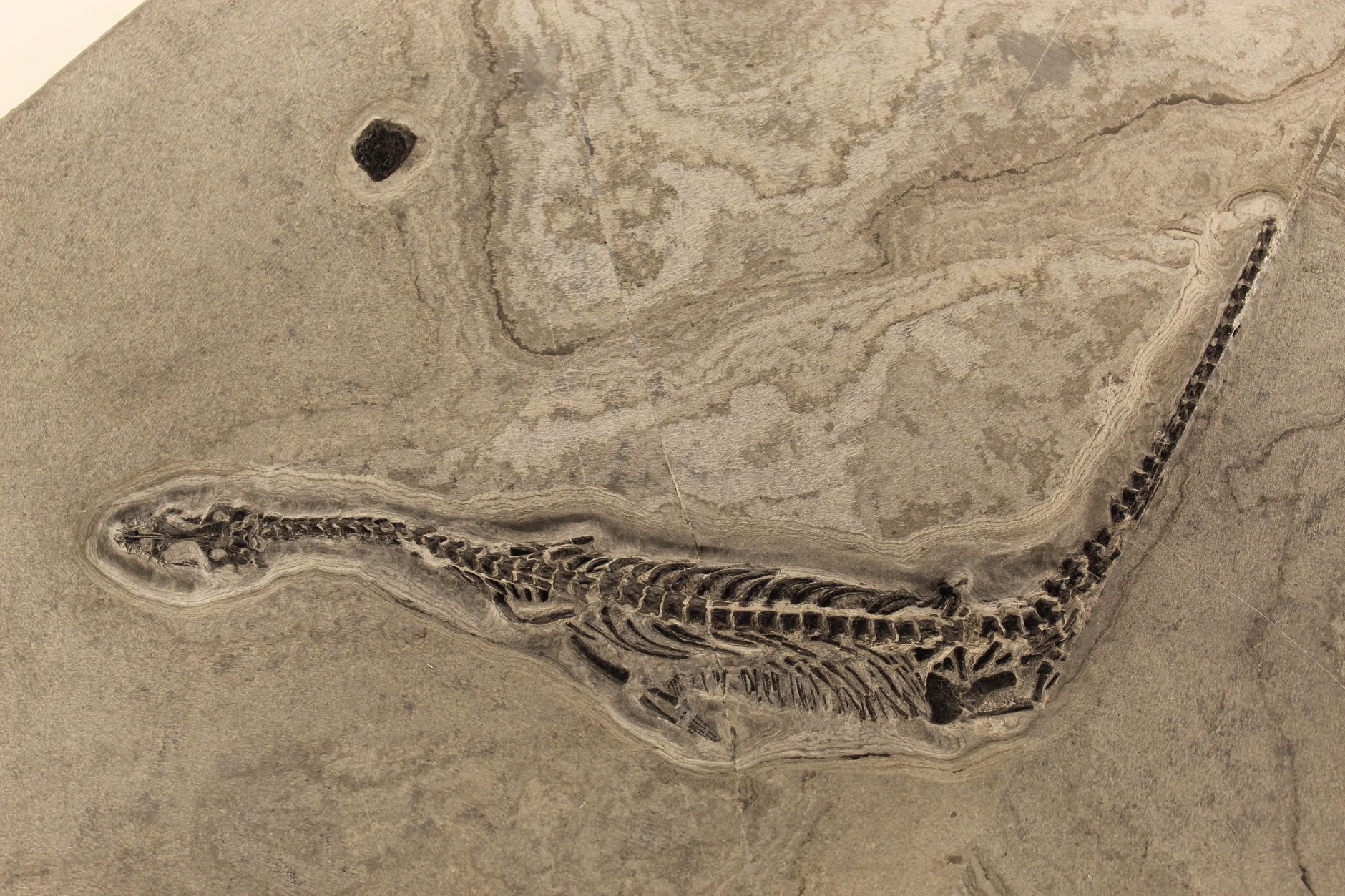
On a desolate Arctic island once shrouded in mystery, the battered remains of a giant fossil have emerged from the shadows of history. Discovered in 1948 by a British expedition on Norway’s Bjørnøya, the fossil was abandoned due to its sheer size and the logistical impossibilities of transporting it across the treacherous Arctic terrain.
This long-forgotten relic has now been identified as a new species of giant plagiosaurid, a revelation that has sent ripples through the scientific community. Dubbed Arctobatrachus urdensis, this ancient creature is believed to have roamed the prehistoric wetlands of what is now the Arctic region, painting a vivid picture of a time when the Earth was a vastly different place.
Unveiling the Past
The rediscovery of the fossil, which had lain dormant in its icy grave for nearly eight decades, offers a unique glimpse into the life forms that once thrived in the polar climates. The fossil's identification was no small feat; it required the concerted efforts of palaeontologists, whose meticulous work has revived interest in the evolutionary history of the Arctic's prehistoric inhabitants.
Dr. Elaine Sykes, the lead researcher on the project, remarked, "This discovery is a testament to the enduring mysteries of our planet's history. It reminds us of the vast, unseen chapters of life that have unfolded on Earth long before our time."
Challenges of Arctic Exploration
The harsh Arctic environment presents formidable challenges for researchers. The region's extreme conditions and remote location mean that many such discoveries are left to the mercy of the elements, often remaining untouched for decades. In the case of the Bjørnøya fossil, the decision to abandon it in 1948 was a pragmatic one, dictated by the limited resources and technology of the era.
Today, however, advancements in technology and a renewed interest in Arctic palaeontology have enabled scientists to revisit these sites with fresh eyes and advanced tools. This rediscovery not only fills a gap in our understanding of prehistoric life in the Arctic but also highlights the importance of preserving and exploring these remote natural archives.
As the fossil continues to be studied, it promises to offer new insights into the climatic and ecological conditions of the Arctic millions of years ago. In doing so, it serves as a poignant reminder of the ever-evolving story of life on Earth.