Argentina Declares National Day to Honour World Cup Triumph Over England
In a move that has sent ripples through both the sporting and political arenas, Argentina has announced a special day to commemorate their World Cup semi-final victory over England. The Argentine Football Association (AFA) has named 15 July as 'National Football Teams Day'. This day marks the thrilling 2-1 victory that took place in Atlanta, a victory that resonated deeply with football fans across the nation.
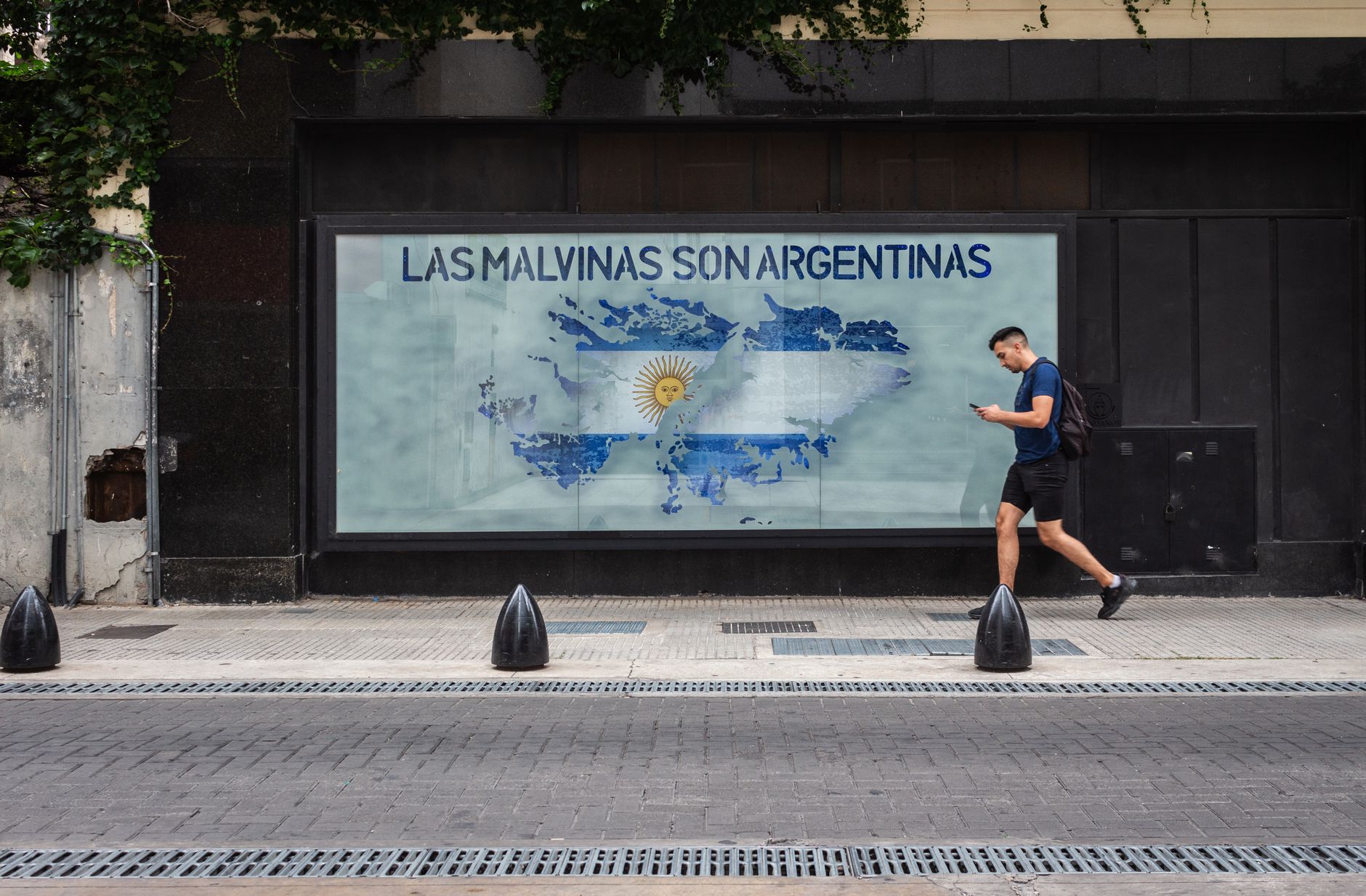
The announcement comes 40 years after another legendary match between Argentina and England during the 1986 World Cup quarter-finals, famously overshadowed by Diego Maradona's 'Hand of God' goal. This time, however, the victory carries an additional layer of significance, intertwined with the historical and political threads of the Malvinas/Falklands issue.
Historical Context and Modern Resonance
The 1986 victory is etched in Argentine memory not just for its sporting significance but for its timing, coming just four years after the Falklands War. The recent match, although primarily a sporting event, has been shadowed by similar sentiments. During the celebrations, some players and fans unfurled banners alluding to the Malvinas, a move that raised eyebrows internationally and risked potential sanctions from FIFA.
This intertwining of sport and politics is nothing new, particularly for these two nations with their intricate past. For Argentina, football is more than a game; it is a cultural touchstone that often reflects broader national narratives.
Celebrations and Controversies
Across Argentina, the announcement of 'National Football Teams Day' has been met with jubilant celebrations. Fans took to the streets, waving flags and chanting songs that celebrate both past and present triumphs on the football pitch. Yet, not all reactions have been positive. Critics argue that the decision to link a sporting victory with a politically charged issue could exacerbate tensions, both domestically and internationally.
Despite the mixed reactions, the day stands as a testament to the power of sport as a unifying force. It serves as a reminder of Argentina's rich footballing history and its ability to bring people together, even as it stirs old memories and ongoing debates.
As the world watches, Argentina's decision to blend sport with national identity will undoubtedly continue to spark discussions, much like the matches themselves.