Army Utilises BARC Tech for Eco-Friendly Sewage Plant in Sikkim
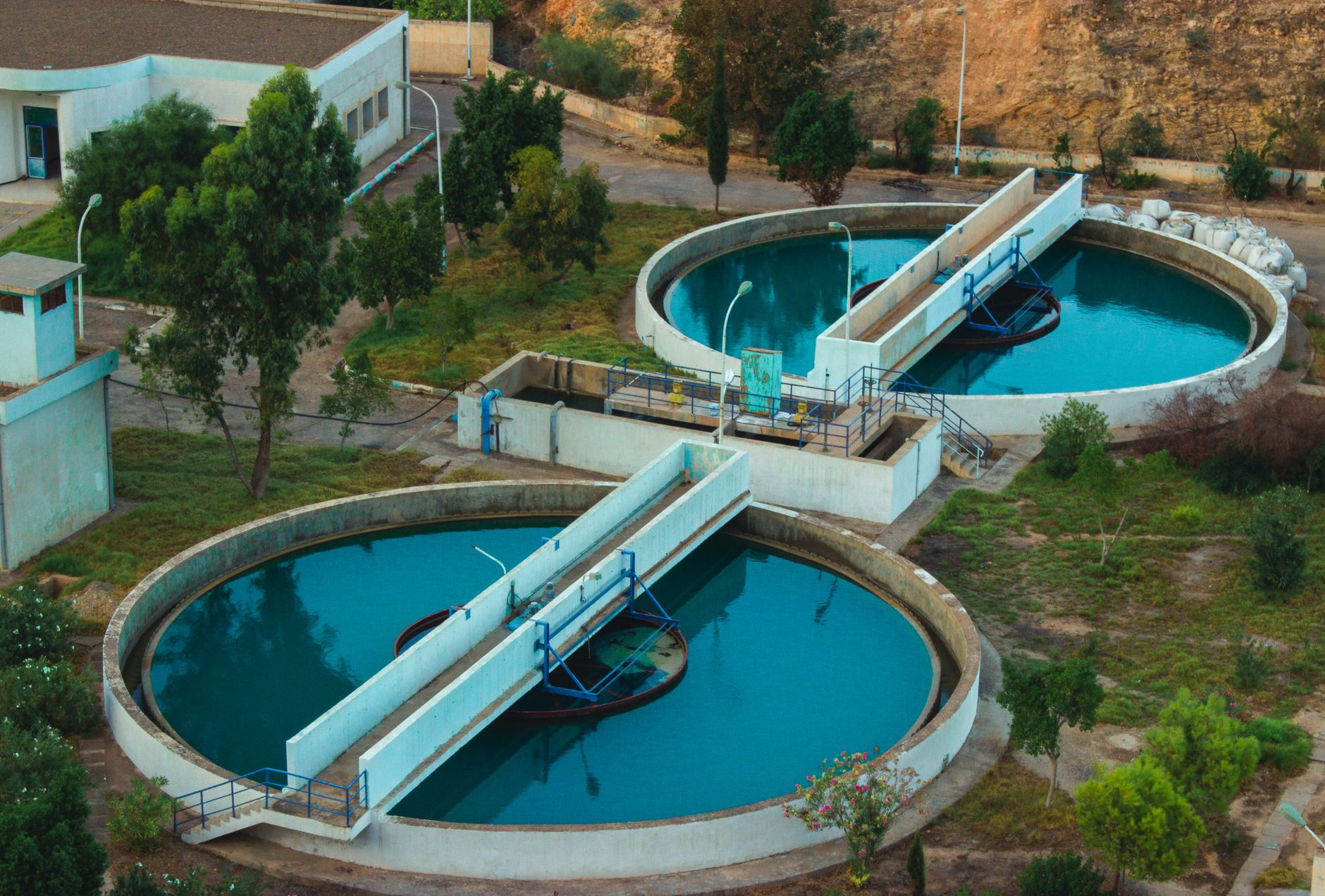
In the serene heights of Sikkim, a new sewage treatment plant has risen, poised to make a lasting impact on the region's environmental health. Commissioned by the Indian Army's Trishakti Corps, this state-of-the-art facility at Changu employs indigenous technology developed by the Bhabha Atomic Research Centre (BARC).
Designed to function seamlessly in the challenging conditions of the high-altitude locale, the plant signifies a notable advance in the army's ongoing efforts to harmonise its operations with environmental sustainability. The facility promises to treat waste efficiently, thereby protecting the pristine water resources that are vital to both local communities and the delicate Himalayan ecosystem.
Technological Triumph
The BARC-developed technology at the heart of this initiative exemplifies India's growing prowess in sustainable solutions. Known for its work in nuclear research, BARC has diversified its expertise to address environmental challenges, ensuring that technological advancements benefit both military and civilian domains.
With its robust design, the sewage treatment plant is expected to operate effectively amidst the extreme weather conditions prevalent in Sikkim. This innovation not only underscores the potential of indigenous technology but also the army's commitment to mitigating its ecological footprint in one of India's most sensitive regions.
Beyond the Battlefield
The significance of this initiative extends beyond environmental considerations. It represents a model for future developments in military infrastructure, where sustainability is no longer an afterthought but a core element of strategic planning. As the Indian Army continues to modernise its facilities, such projects highlight a shift towards integrating environmental awareness into defence strategies.
In a world increasingly threatened by climate change, the installation of this sewage treatment plant is a small yet crucial step in safeguarding precious natural resources. For the inhabitants of Sikkim and its surrounding areas, it brings hope for a cleaner, more sustainable future.