As Smog Looms, Can Technology Curb Delhi's Stubble Burning Dilemma?
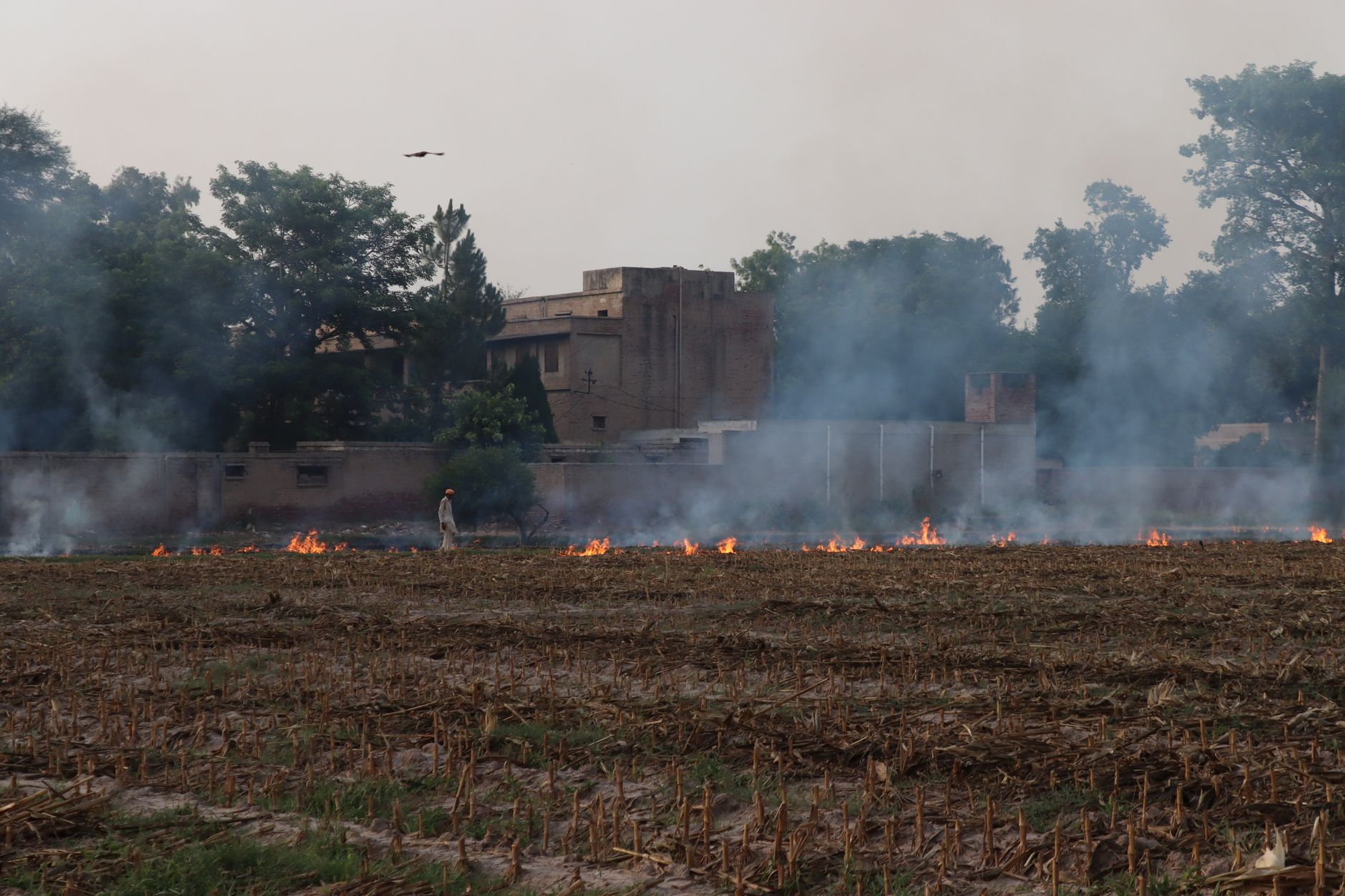
As another wave of smog threatens to envelop Delhi, the familiar spectre of stubble burning re-emerges. Despite a commendable reduction in the number of such incidents in Punjab and Haryana this year, the capital's air quality continues to plummet, raising questions about the role of technology in addressing this perennial problem.
Stubble burning, the practice of setting fire to crop residues after harvest, contributes significantly to the dense smog that blankets Delhi every winter. This practice, combined with vehicular emissions and industrial pollutants, creates a toxic cocktail that hangs over the city, exacerbated by the so-called 'thermal lid' effect—where cooler air traps pollution close to the ground.
Technological Intervention: A Missed Opportunity?
While technology offers a beacon of hope, its application has been less than widespread. Solutions such as satellite monitoring systems, which can detect and predict stubble burning events, exist but are not yet fully integrated into policy frameworks. Similarly, the use of machines like the Happy Seeder, which allows farmers to plant seeds without clearing the fields through burning, has not been incentivised adequately.
Dr. Anjali Verma, an environmental scientist, notes, "The tools are available, but there is a lack of cohesive strategy to implement them comprehensively. We need a more concerted effort from both the government and the private sector."
The Road Ahead
It is increasingly clear that a multi-pronged approach is necessary. While technology plays a vital role, it must be buttressed by policy initiatives. Improved enforcement of existing air quality regulations, coupled with incentives for farmers to adopt eco-friendly practices, could make a significant difference.
Moreover, public awareness campaigns about the dangers of air pollution and the benefits of alternative farming methods are crucial. As Delhi braces for another season of poor air quality, the question remains whether the city can leverage technology effectively to mitigate this annual crisis.
The time for half measures has passed. What is needed is a robust, integrated approach that combines technology, legislation, and public participation. Without this, the capital's winter smog will continue to be as predictable as it is preventable.