Assam Schools Transform Learning with Experiential Methods
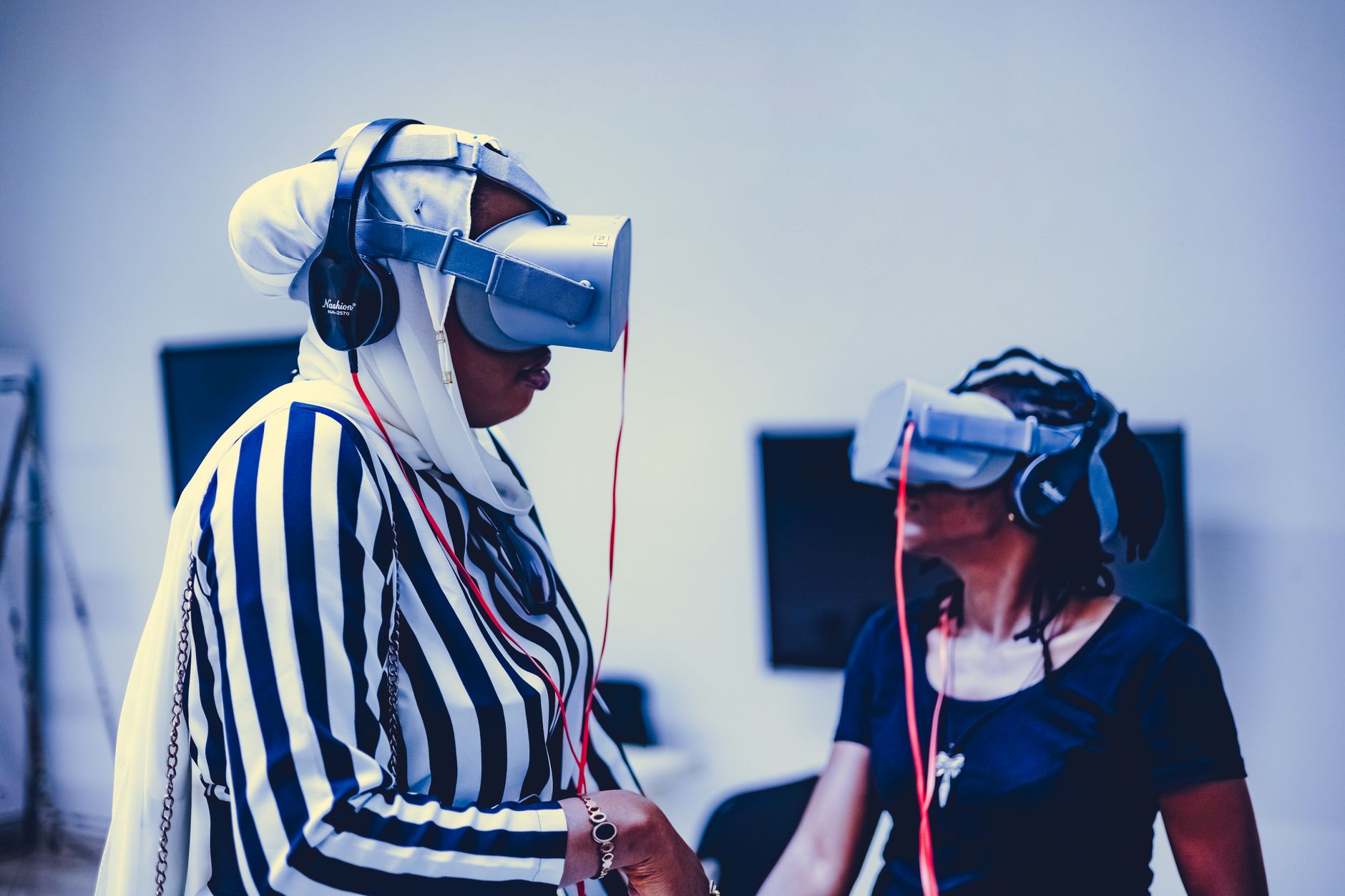
In a classroom in Assam, students are not merely sitting through lectures, but rather, they are transported to different worlds, courtesy of virtual reality headsets and an innovative curriculum. This is the brainchild of Gyan Dhara, a programme poised to transform the way education is delivered.
The initiative is not confined to the four walls of a classroom. By leveraging a web-based platform alongside virtual reality, Gyan Dhara allows students to immerse themselves in subjects such as history, science, and even culinary arts, as one enthusiastic teacher demonstrated with a risotto recipe. The philosophy is simple: experience deepens understanding.
Experiential learning has long been lauded by educational theorists, but its practical application has often been limited by technological constraints and traditional mindsets. However, in Assam, the tide appears to be turning. The use of cutting-edge technology in education is not merely a novelty but a necessity in a rapidly evolving world.
A New Era of Engagement
Students using Gyan Dhara's platform report a significant increase in engagement and enjoyment. Learning about the solar system by virtually visiting planets, or understanding the intricacies of photosynthesis by visualising the process in 3D, transforms abstract concepts into tangible experiences.
This approach aligns with modern educational philosophies that advocate for learning by doing. By actively engaging with the material, students are more likely to retain information and develop critical thinking skills.
The implications of such a shift are profound. If successful, Gyan Dhara could serve as a model for schools across India, potentially reshaping education to better suit the needs of 21st-century learners.
Challenges and Opportunities
Despite its promise, the initiative is not without challenges. Ensuring equitable access to technology remains a hurdle, especially in rural areas. Moreover, training teachers to effectively utilise these tools is crucial for the programme’s success.
Nevertheless, the potential benefits far outweigh the challenges. As educational institutions worldwide grapple with how to adapt to new learning paradigms, Assam's experiment could provide valuable insights.
In an age where information is ubiquitous, the ability to experience and interact with knowledge may indeed be the future of education. For now, the students of Assam are at the forefront of this exciting educational revolution.