Asteroid Apophis: A Close Encounter with Earth in 2029
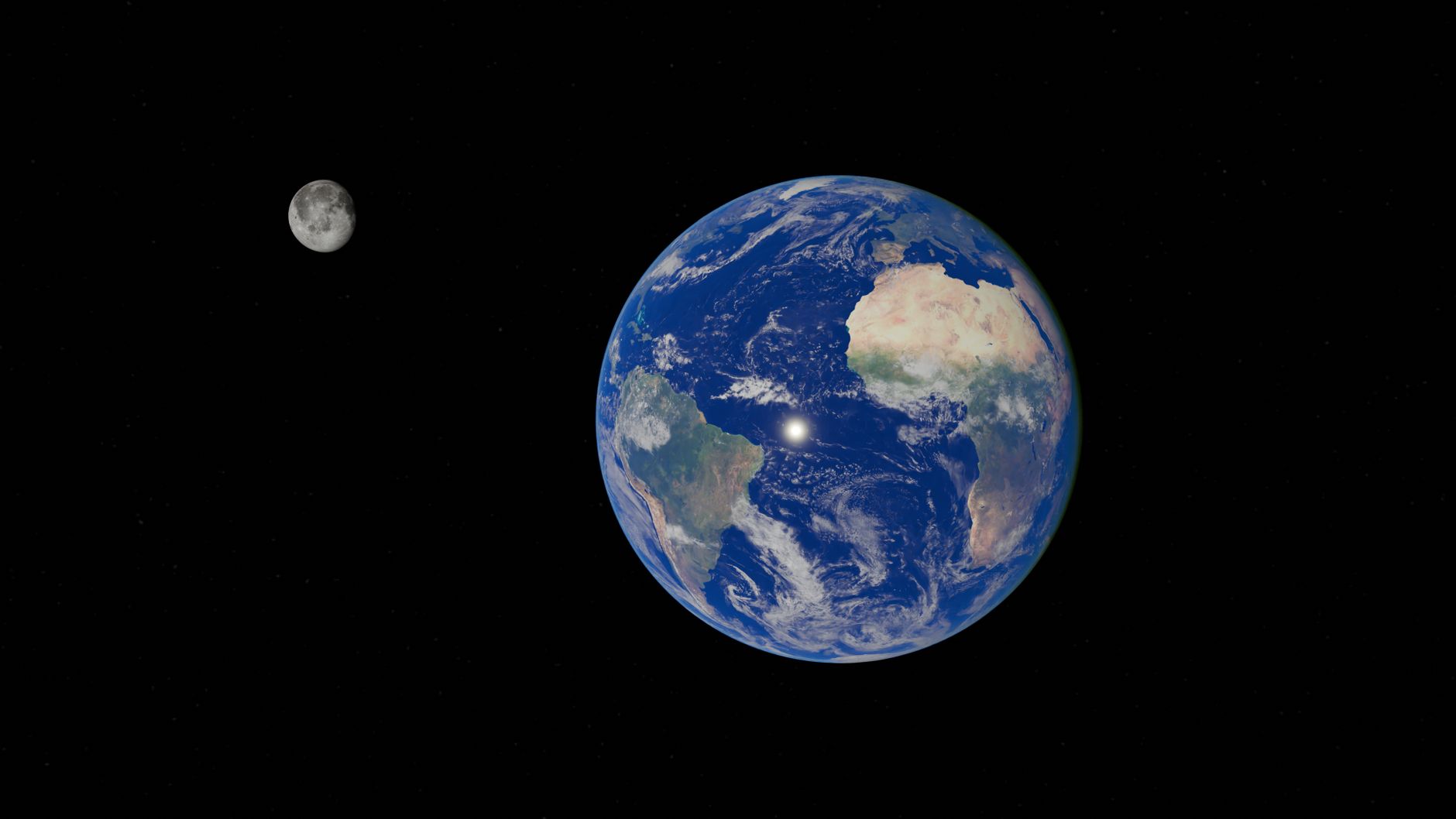
There's a date marked on the calendars of astronomers worldwide: April 13, 2029. On this day, asteroid Apophis, a cosmic behemoth, will make a close approach to Earth, skimming past at a mere 31,000 kilometres. To put this into perspective, it will come nearer than some geostationary satellites.
Named after the Egyptian god of chaos, Apophis has been the subject of fascination and concern since its discovery in 2004. Initial calculations suggested a small chance of collision, sparking alarm and prompting further scrutiny. Fortunately, revised assessments have ruled out an impact for the foreseeable future, yet the asteroid's passage will not be without consequence.
The Scientific Bonanza
For scientists, Apophis presents an unprecedented opportunity. Its flyby will be one of the closest for an asteroid of its size in recorded history, offering a chance to study its composition, structure, and behaviour under Earth's gravitational influence. Space agencies are gearing up for this unique event, planning missions to observe and possibly land on the asteroid.
Dr. Lisa Thompson, an astrophysicist at the University of Cambridge, explains, "This is a once-in-a-lifetime opportunity to study an asteroid up close. It could yield insights into the solar system's history and the potential for resource utilisation in space exploration."
Potential Consequences
While a physical collision is off the table, Apophis' close approach could still have indirect effects. Some scientists warn of potential gravitational perturbations that might affect satellites or even lead to minor seismic activities on Earth. However, these scenarios are more speculative than certain.
The event also serves as a stark reminder of Earth's vulnerability to cosmic events. "Apophis' passage is a wake-up call," says Dr. Rajesh Kumar, an expert in planetary defence. "It highlights the importance of monitoring near-Earth objects and developing strategies to mitigate potential threats."
As the world prepares for this celestial event, the excitement is palpable among both scientists and the public. After all, it's not every day that one gets to witness a cosmic giant glide past our planet.