Asteroid That Doomed Dinosaurs Wasn't What We Thought
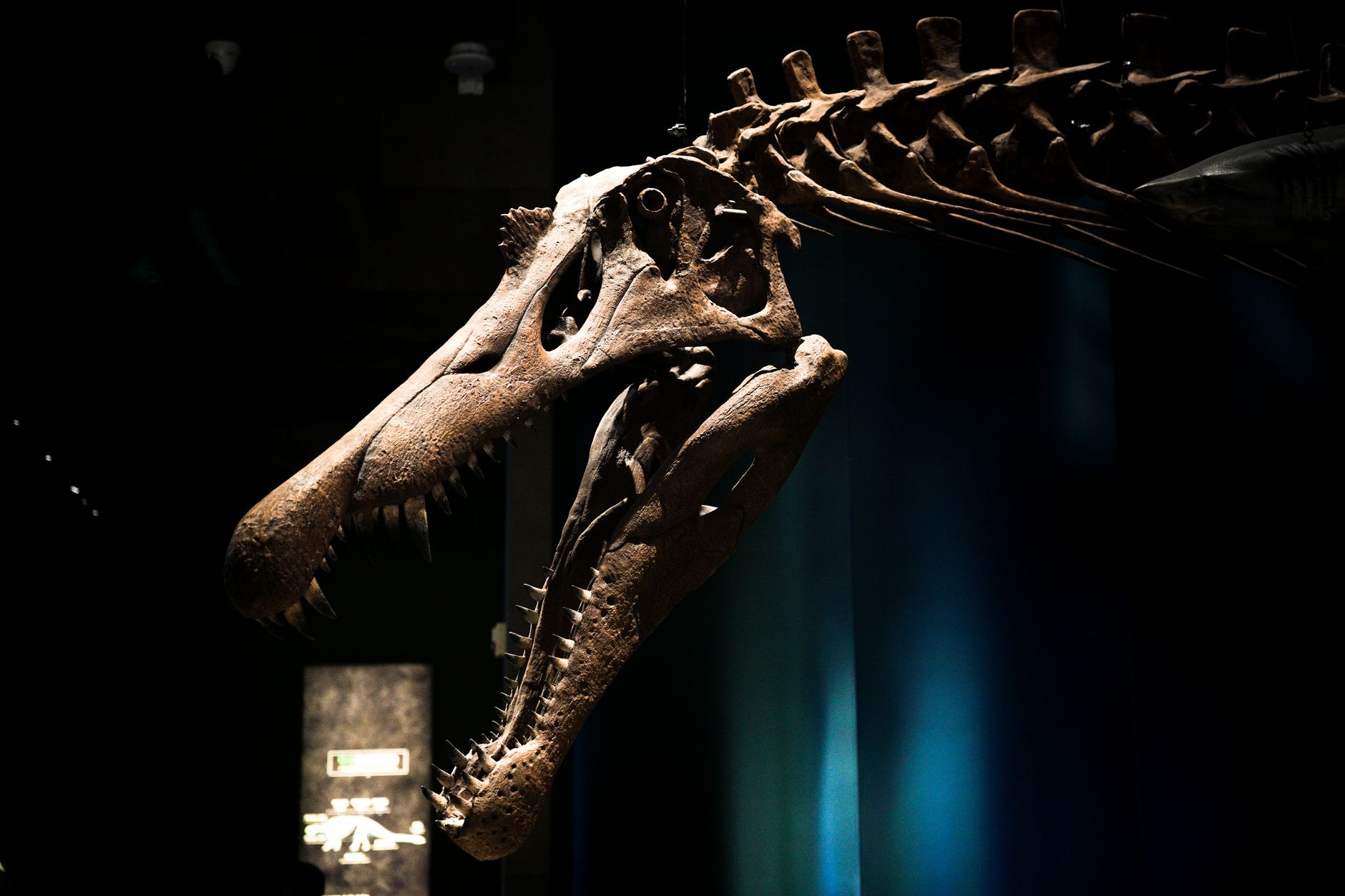
It seems the cosmic villain that ended the reign of the dinosaurs was not quite the character scientists had imagined. Recent research published in Science Advances has revealed that the asteroid which struck Earth 66 million years ago, triggering a mass extinction, was of an unexpected sort.
For decades, it was accepted that a single gigantic asteroid was the culprit. However, researchers, led by Georgy V..., have now identified a distinctive chemical fingerprint suggesting this space rock was not alone in its destructive task. A second, smaller asteroid hit near the coast of West Africa around the same time, creating a large crater and complicating the narrative.
More intriguingly, the impact of these celestial bodies appears to have coincided with a period of intense volcanic activity on the ocean floor. This simultaneous occurrence of cosmic and volcanic events may have amplified the global climate changes that followed the impact, leading to the catastrophic extinction.
Such findings challenge the long-held belief that a solitary asteroid was solely responsible for the mass extinction. Instead, they underscore the complex interplay of multiple factors that led to a dramatic shift in Earth's biological and geological history.
The Broader Implications
The implications of this research extend beyond mere historical curiosity. Understanding these events helps scientists model the potential impacts of future celestial phenomena. It also sheds light on how Earth responds to massive environmental changes, a topic of significant relevance given current concerns about climate change.
Moreover, the study invites a broader reflection on our planet's fragile position in the cosmos. As researchers continue to unravel the mysteries of Earth's past, they remind us of the delicate balance that sustains life. The dinosaurs' fate serves as a stark reminder of the unforeseen forces that can alter life on this planet in an instant.
While the dinosaurs may have been dealt a fatal blow by an unexpected source, their story continues to inform our understanding of planetary evolution and survival.