Astronomers Unveil New Cosmic Wonder: The Black Hole Star
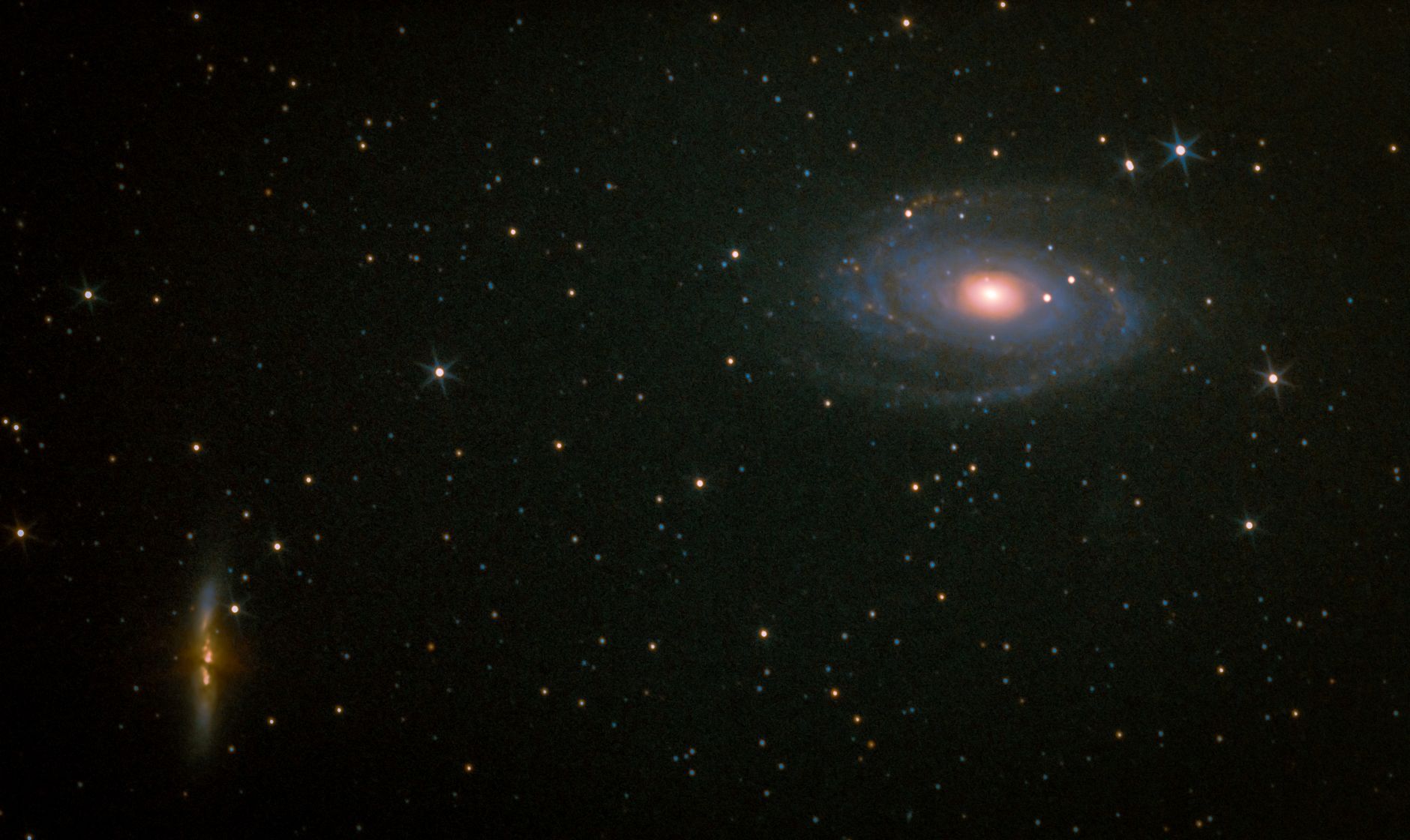
Imagine a celestial body that defies conventional classification, straddling the line between a star and a black hole. This is precisely the curiosity aroused by the discovery of what astronomers are calling a 'black hole star'. Spanning the size of our entire solar system, this newly identified cosmic phenomenon is as spectacular as it is enigmatic.
Observations made using the James Webb Space Telescope—our eye into the distant universe—have revealed this extraordinary object, radiating a brilliant red hue. Scientists have been left both puzzled and exhilarated by its existence. It appears to operate with the energy output akin to a black hole, yet its structure more closely resembles that of a massive star.
A Cosmic Hybrid?
The term 'black hole star' might sound like a contradiction in terms, yet it aptly captures the dual nature of this object. Traditional black holes are known for their intense gravitational pull, strong enough to trap even light. Stars, on the other hand, are celestial bodies that emit light through nuclear fusion processes in their cores. This enigmatic object seems to be a synthesis, possibly offering insights into the conditions of the early universe.
Since its launch, the James Webb Space Telescope has provided unprecedented clarity and depth in observing the cosmos. This discovery is a testament to its capabilities and the potential it holds for future revelations.
Why It Matters
The implications of this discovery are profound. It challenges existing astrophysical models and prompts a reevaluation of how celestial bodies are classified. The black hole star might even hold clues to the formation and evolution of galaxies.
As astronomers continue to study this object, they aim to unlock the secrets it holds about energy production and cosmic evolution. This discovery serves as a reminder of the boundless mysteries of the universe and humanity's relentless pursuit of knowledge.