Australia Sounds Alarm Over Escalating H5N1 Bird Flu Threat
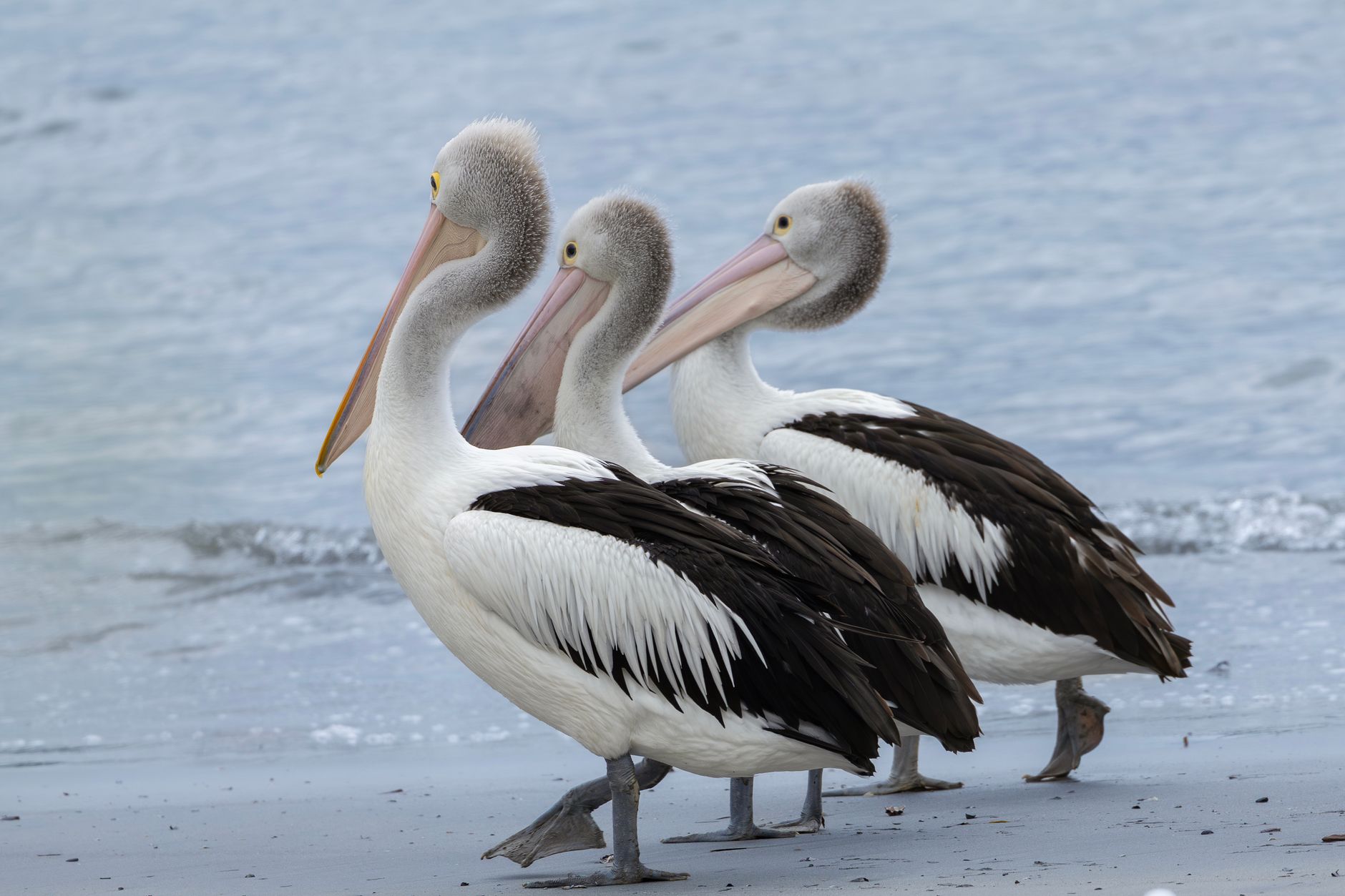
Off the idyllic coast south of Adelaide, a grim scene has unfolded, serving as a stark warning to Australia about the potential spread of the H5N1 bird flu. Approximately 50 greater crested terns, once lively denizens of the sea, have succumbed to the virus in what officials have deemed the country's first mass mortality event linked to the disease.
The outbreak, confirmed by health authorities, has raised alarms across the nation. "Australians should expect to see more spread and larger numbers now of wildlife being affected," a government spokesperson warned in Canberra. It's a caution that comes with the sobering realisation that once H5N1 begins to circulate in the natural environment, controlling its reach becomes a daunting challenge.
First detected on the mainland in mid-June, the H5N1 strain's arrival was a harbinger of the ecological disruptions to come. Experts had anticipated such an event, but the speed at which it has occurred has taken many by surprise. More than 80 dead and sick birds have been found on the rocks off South Australia's coast, painting a picture of the virus's deadly efficiency.
While the immediate impact on human health is considered low, the broader implications for Australia's wildlife and ecosystems are significant. The Department of Agriculture, Fisheries and Forestry is closely monitoring the situation, urging the public to report any further unusual wildlife deaths.
Environmental and Economic Concerns
Australia's rich biodiversity now faces a new adversary. The potential for H5N1 to spread beyond seabirds to other species could have far-reaching consequences, affecting not only ecological balance but also sectors reliant on wildlife tourism. The economic ramifications, though secondary to the immediate environmental impact, are nevertheless concerning.
For now, the focus remains on containment and understanding the pathways of the virus. Authorities are increasing surveillance efforts and advising the public to maintain a safe distance from any sick or dead birds, reinforcing guidelines that have become all too familiar in recent years.
As Australia grapples with this burgeoning crisis, the lessons from similar outbreaks worldwide underscore the importance of swift action and international collaboration in managing zoonotic diseases. The situation remains fluid, and the nation watches with bated breath as the next chapter in this unfolding saga is written.