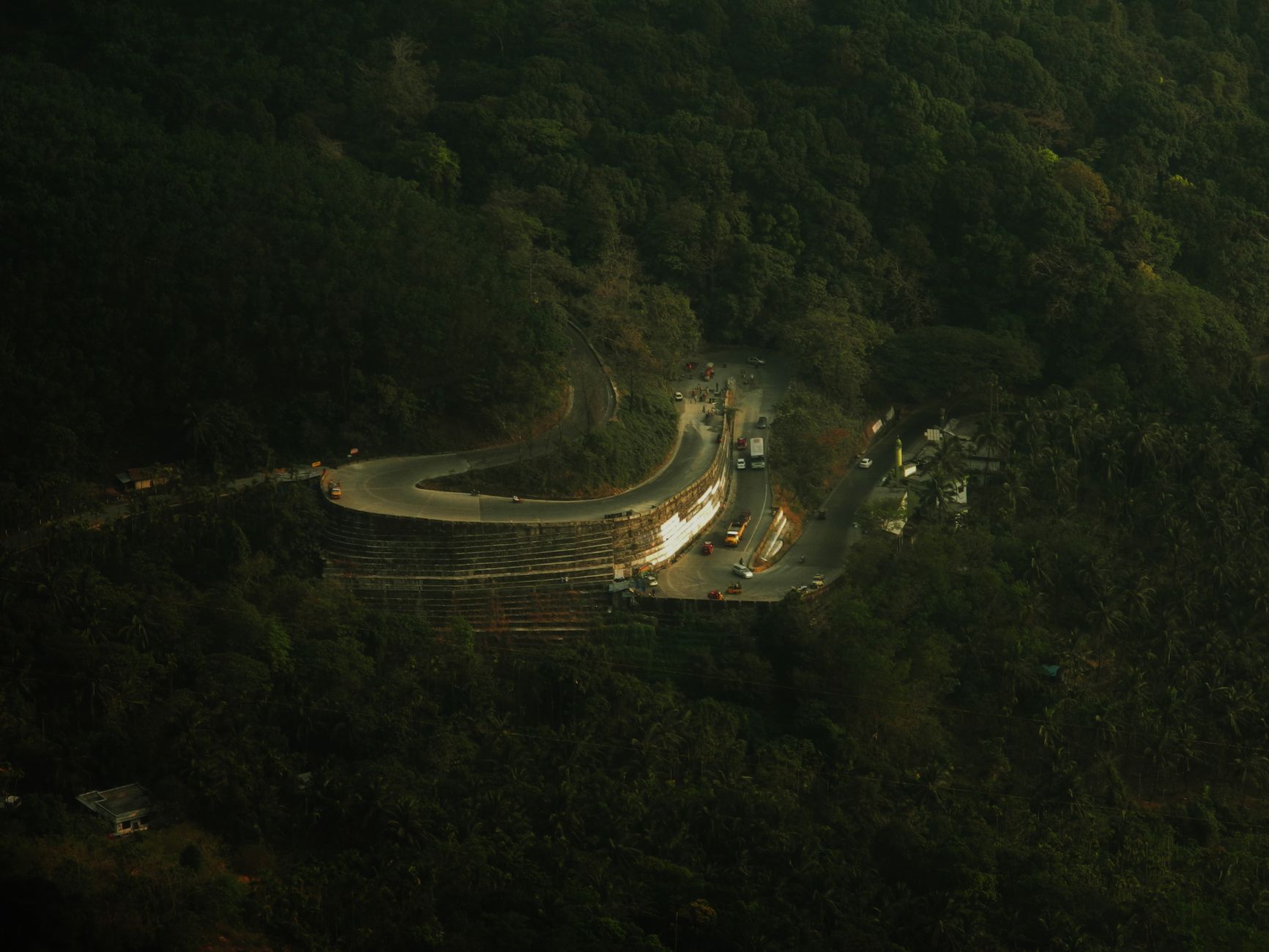
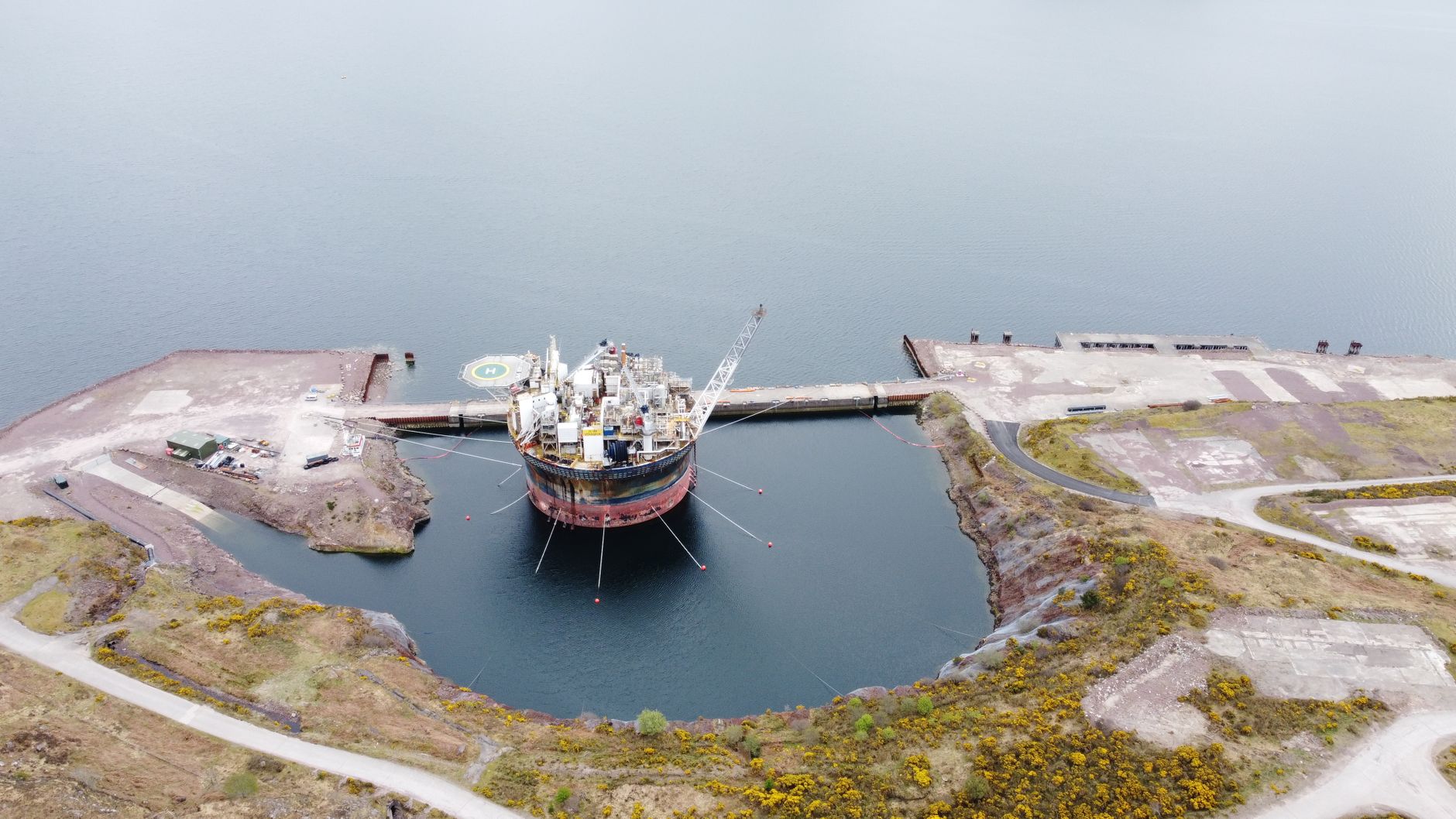
Balancing Act: Courts Urged to Reconcile Environment and Development
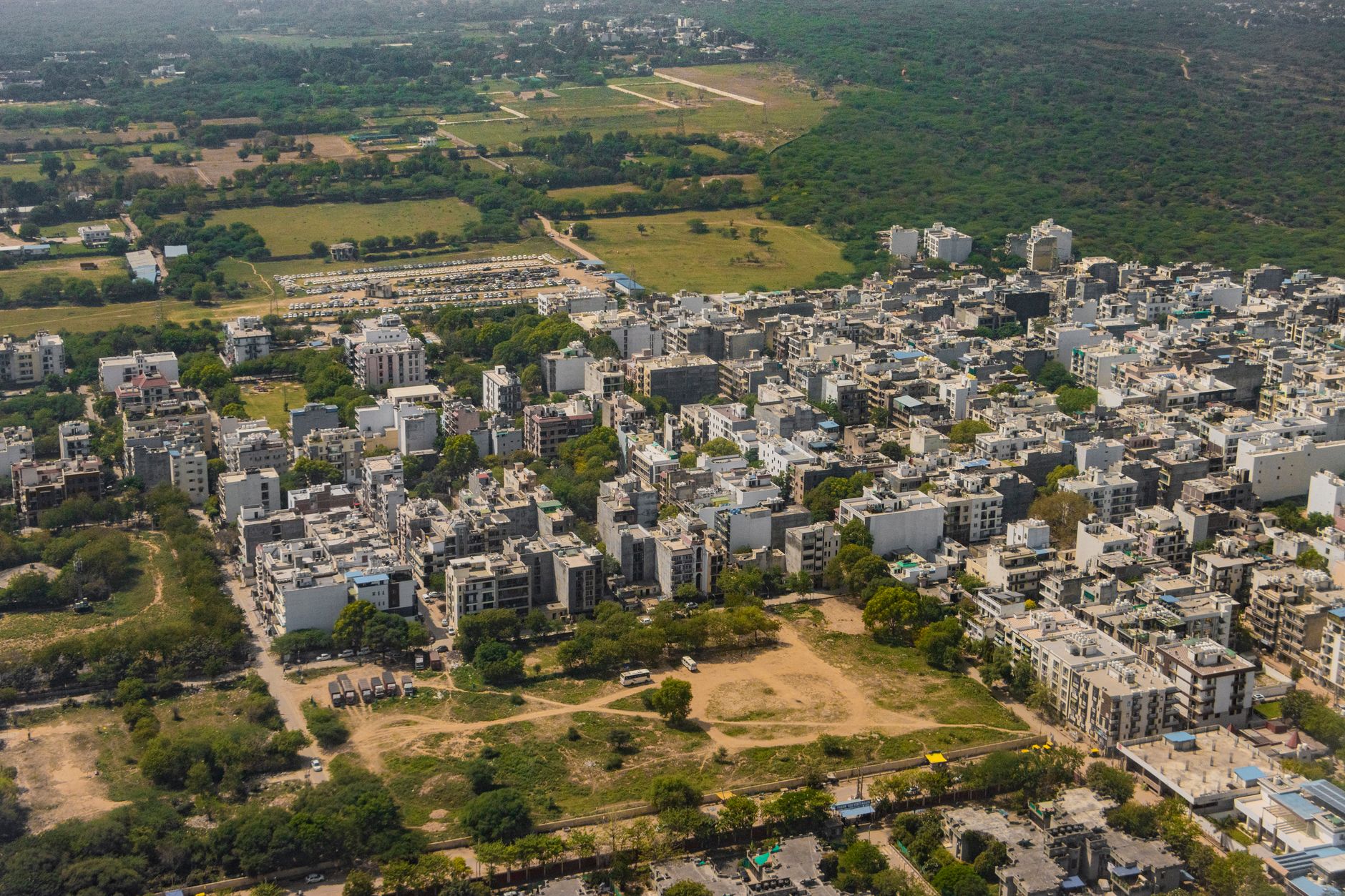
In a world increasingly dominated by polarising debates, India's Chief Justice has made a noteworthy appeal to the judiciary: protect the environment, but don't forget development. Speaking candidly, he warned against the perils of adopting a tunnel vision that categorises every development project as inherently suspect while simultaneously emphasising that environmental safeguards are non-negotiable.
This nuanced stance arrives at a crucial juncture. As India embarks on ambitious infrastructural projects, the call for a balanced judicial approach resonates deeply. The Chief Justice reminded the courts of their duty to ensure that project proponents undertake every conceivable measure to mitigate environmental harm before it occurs. It is not merely about placing roadblocks but fostering an environment where development can proceed responsibly.
Judicial Responsibility
The Chief Justice's remarks underscore the judiciary's evolving role in environmental governance. Courts are increasingly expected to act as custodians of both ecological sanctity and economic growth. This dual responsibility demands an acute awareness of the interplay between legal frameworks and practical realities. By urging the courts to eschew extreme positions, he advocates for a middle path—where development does not trample nature, and nature's preservation does not stifle growth.
His statements echo a broader global sentiment where the dichotomy between environment and development is being re-evaluated. The approach is not to view them as adversaries but as partners in progress. This perspective may well influence future judicial decisions, potentially setting a precedent for more nuanced rulings that respect both the earth and the economy.
Looking Forward
The Chief Justice's exhortation is a clarion call to rethink how legal institutions perceive and approach environmental issues vis-à-vis development. It’s a reminder that in the quest for progress, the path chosen should not sacrifice our ecological heritage. This balanced vision may well be the key to sustainable development, where neither progress nor preservation is compromised.