Balancing Nature and Livelihood: Western Ghats' New Conservation Approach
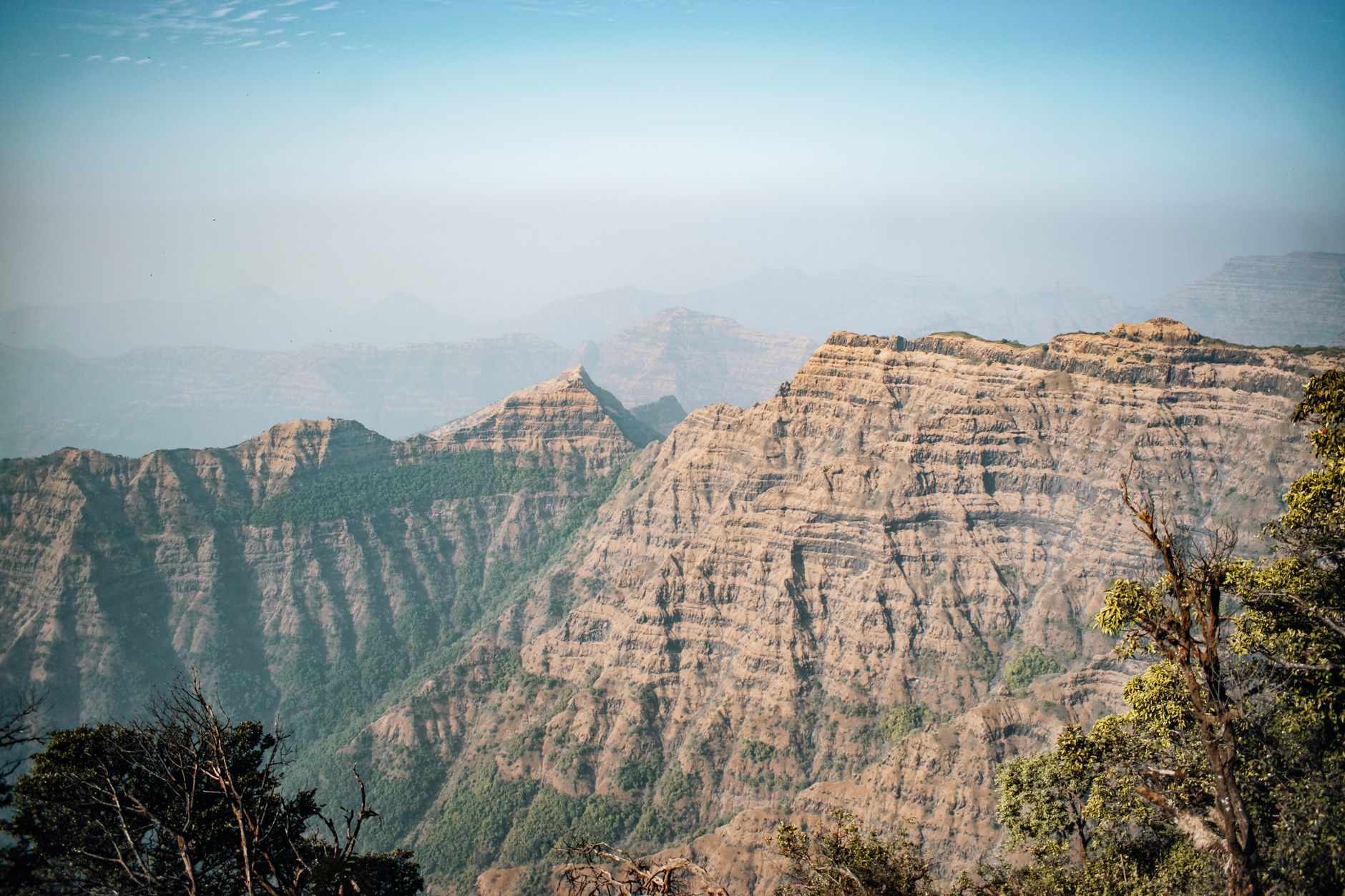
The Western Ghats, a resplendent chain of mountains running parallel to India's western coast, are more than just a scenic backdrop. They are home to an astonishing biodiversity that has earned them the status of a UNESCO World Heritage site. Yet, this ecological haven is also a battleground for a complex conservation debate.
For years, discussions have swirled around the designation of Ecologically Sensitive Areas (ESAs) in the Ghats. The Gadgil and Kasturirangan committees have proffered contrasting recommendations, sparking a dialogue that pits ecological preservation against the livelihoods of millions who dwell in these verdant hills.
A New Path Forward
In a bid to move beyond entrenched positions, conservationists are now advocating a strategy that marries science with the wisdom of the people who have called the Ghats home for generations. This inclusive approach underscores the importance of engaging with local communities, whose traditional knowledge and practices could hold the key to sustainable conservation.
While scientific research provides the backbone of this strategy, recognising the socio-economic realities of the inhabitants is equally crucial. Conservation efforts are thus being reimagined to ensure that they do not come at the expense of the very people who have safeguarded these ecosystems for centuries.
Dialogue and Collaboration
The Indian Ministry of Environment and Forests, along with various state governments, is now prioritising dialogue over diktat. In regions such as Kerala and Karnataka, pilot programmes are underway to integrate local insights with scientific data. These initiatives aim to craft policies that are not only environmentally sound but also economically viable for the local populace.
Krishnaswamy Kasturirangan, a key figure in the debate, has highlighted the need for a balanced approach. He notes, "Conservation cannot be about exclusion; it must be about collaboration. Science and traditional knowledge must coexist for the betterment of both nature and humanity."
This evolving strategy, while promising, is not without its challenges. Balancing conservation with development is a tightrope walk, demanding nuance and sensitivity. Yet, as the Western Ghats stand at a crossroads, this science-and-dialogue approach could herald a sustainable future for one of India's most treasured natural landscapes.