Balancing Street Food and Safety: Maharashtra FDA's Bold Vision
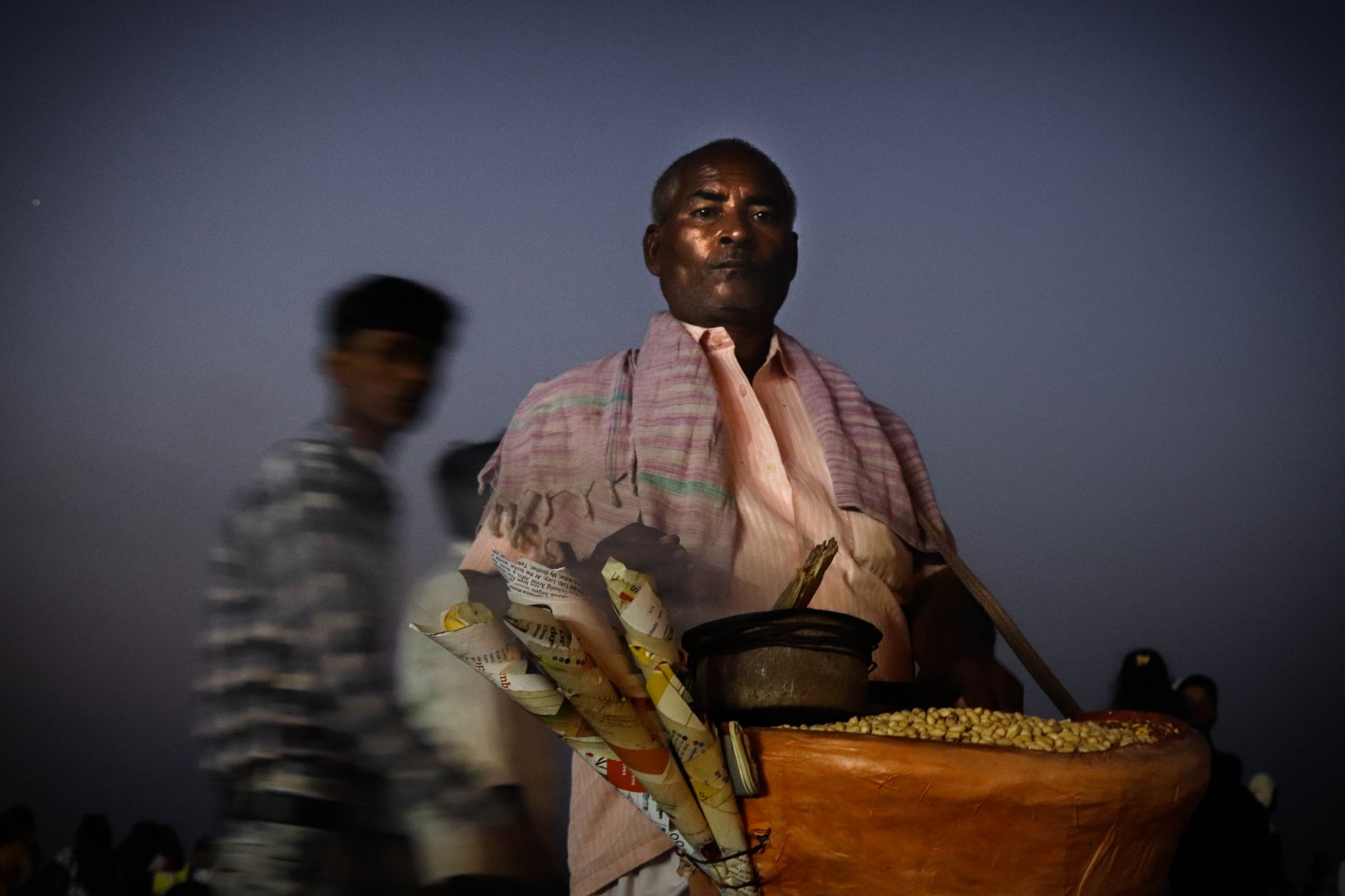
In the bustling streets of Maharashtra, where the aroma of pav bhaji and vada pav wafts through the air, a new chapter in public health is being written by the state's FDA chief, Tukaram Mundhe. Known for his uncompromising stance on food safety, Mundhe is advocating for a balance between the vibrant street food culture and stringent health regulations.
"We need to balance business and livelihoods with public health," Mundhe remarked during a recent engagement in Pune. His vision is clear: establish designated, regulated vending spaces that not only protect the hawkers' livelihoods but also ensure that food safety, sanitation, and pedestrian access are not compromised.
Mundhe's approach, however, has not been without its challenges. The recent crackdown on food outlets and warehouses across Maharashtra—an effort to eliminate food adulteration and enforce hygiene standards—has drawn both praise and ire. The Bombay High Court's warning of contempt charges against the FDA highlights the contentious nature of his campaign.
Yet, for Mundhe, the mission is personal and profound. "Public health, not personal popularity, is what matters most," he asserts. This single-minded dedication underscores a broader public health strategy that seeks to modernise India's informal food sector while preserving its rich culinary heritage.
The concept of regulated vending spaces is not entirely new. Globally, cities have adopted similar models to integrate street vending into the urban fabric, thereby enhancing food safety without stifling cultural vibrancy. Mundhe's proposal seeks to emulate this success in Maharashtra, a state where street food is as much a part of the identity as its historical landmarks.
As Maharashtra navigates this culinary crossroads, Mundhe stands as a man on a mission, determined to ensure that the next bite of street food is not only delicious but safe. Whether his vision will transform the landscape of Indian street food remains to be seen, but it certainly sets a precedent for balancing tradition with modernity.