Baltic Sea's Growing Dead Zones Threaten Marine Life
In the stillness beneath the Baltic Sea, a silent threat is spreading. Devoid of oxygen, vast swathes of the sea floor are turning into 'dead zones', rendering these areas inhospitable to marine life. As the dead zones creep ever closer to Bornholm's beaches, the implications for local marine ecosystems are dire.
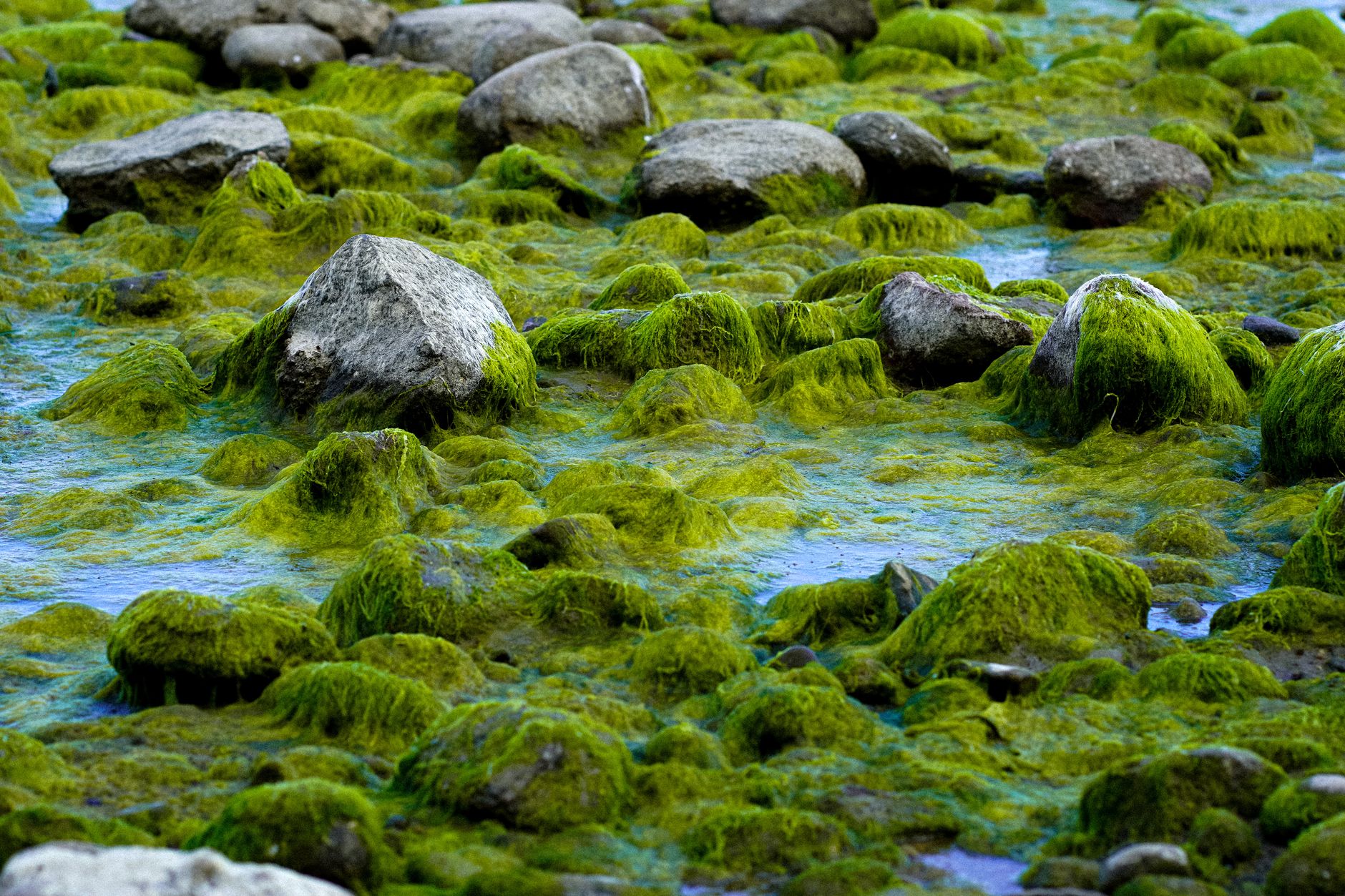
These zones are primarily the result of human-induced pollution. Fertilisers and sewage, laden with nutrients, find their way into the sea, fuelling massive algal blooms. While a vibrant green sea might suggest life, it belies a more sinister process. As the algae die, they sink to the ocean bed, where bacteria decompose them, a process that consumes oxygen and exacerbates the problem further.
According to environmentalists, the increasing size of these dead zones is not just an ecological concern but a stark warning. "In the Baltic Sea, the marine dead zones could cause a total collapse of the entire ecosystem if their spread is permitted to continue," warned Lasse Gustavsson, head of the WWF’s Swedish branch.
The Impact on Marine Life
The Baltic cod, a cornerstone species in the region's food chain, is already feeling the effects. As oxygen levels plummet, so do their numbers. This decline threatens not only the balance of marine biodiversity but also the livelihoods of local communities that rely on fishing.
Efforts to curb this environmental crisis require significant international cooperation and stringent regulations on agricultural practices. Reducing nutrient runoff into the sea is crucial, as is addressing the broader issue of climate change, which exacerbates the frequency and intensity of algal blooms.
A Call for Action
The situation in the Baltic Sea serves as a poignant reminder of the interconnectedness of human activities and natural ecosystems. Without immediate and decisive action, the creeping dead zones will continue to claim the marine life that thrives beneath these waters. For the Baltic Sea, the clock is ticking, and the need for action has never been more urgent.