Baltic Sea's Oxygen-Starved Zones Threaten Ecosystem
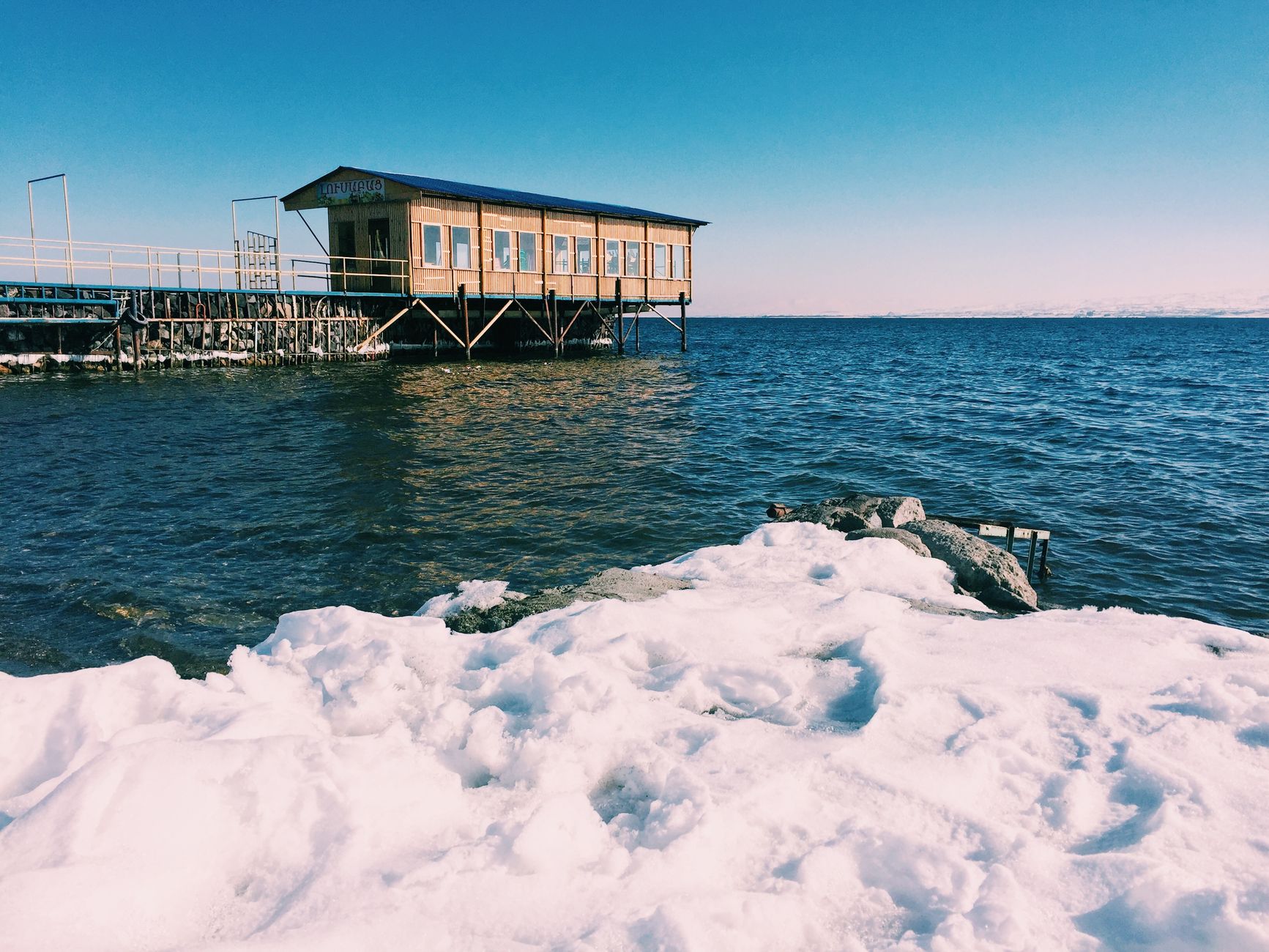
On the surface, the Baltic Sea might seem as serene as ever, its waves gently lapping against the shores of Bornholm. Yet beneath this tranquil facade lies a growing menace—dead zones, areas of the seabed devoid of oxygen, steadily encroaching upon these beaches.
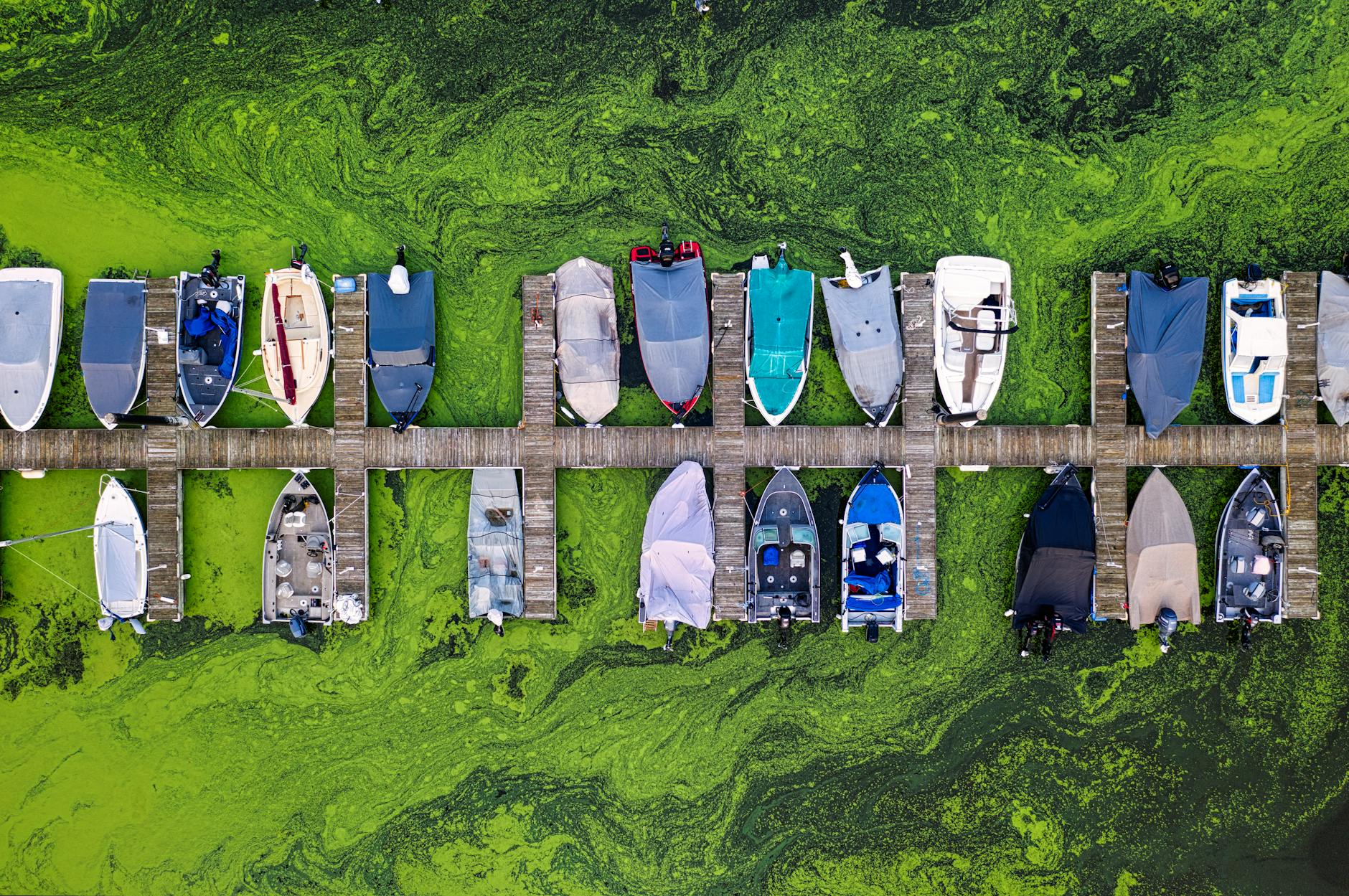
These ominous stretches are not a product of natural phenomena but a direct consequence of human activities. Fertilisers and sewage, pouring into the sea, fuel massive algal blooms. When these blooms die, they descend to the ocean floor, depleting the surrounding water of oxygen as bacteria break them down. This creates a vicious cycle of decay and suffocation.
The implications are stark. With oxygen levels plummeting, marine life struggles to survive. The cod population, once a cornerstone of the Baltic's intricate food web, is on the brink of collapse. As Lasse Gustavsson of WWF Sweden warns, unchecked expansion could spell disaster for the entire ecosystem.
Efforts to rectify this looming crisis are underway, albeit not at the urgency required. Stricter regulations on agricultural runoff and sewage treatment are essential, yet implementation remains sluggish. Meanwhile, the dead zones continue to spread, a silent threat beneath the waves.
The Human Cost
The economic repercussions are equally grim. Local fishing communities, reliant on the sea's bounty, face dwindling catches. The potential collapse of the cod fishery would devastate livelihoods, sending ripples through the regional economy.
As the situation unfolds, the Baltic serves as a stark reminder of the delicate balance within our ecosystems. Human actions have set off a chain reaction, one that demands immediate and sustained intervention to halt its destructive course.
Until then, the Baltic Sea's hidden dead zones remain a chilling testament to the consequences of environmental neglect.