Bangladesh Seeks Improved Ties with India Amid Diplomatic Tensions
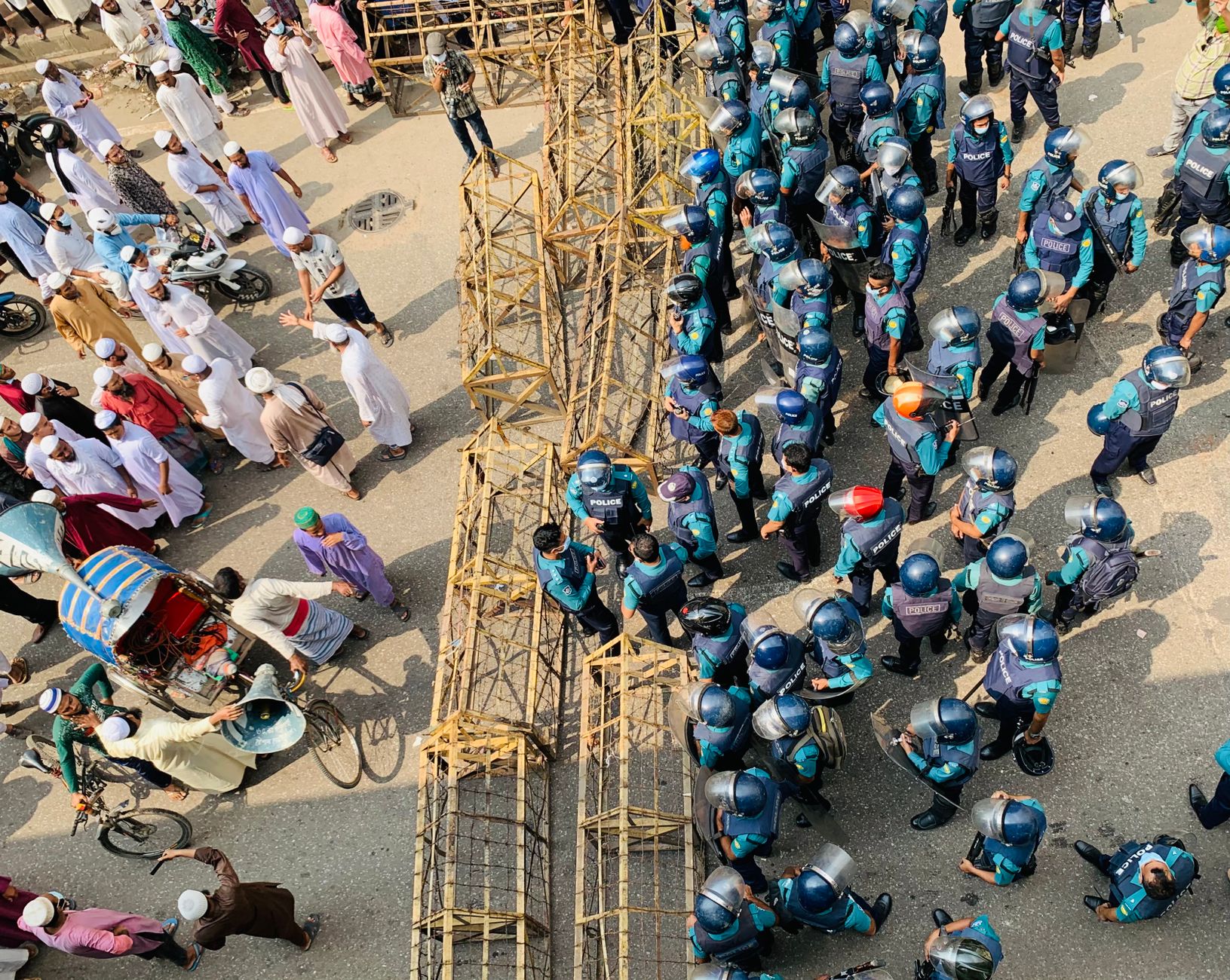
In a diplomatic landscape marked by unease, Bangladesh Prime Minister Tarique Rahman has expressed a desire for a 'conducive environment' ahead of his proposed visit to India. The demand comes amid ongoing tensions surrounding the extradition of former Bangladeshi leader Sheikh Hasina, who has found refuge in India following her ousting in 2024.
This call for improved relations highlights the intricate dynamics at play between the two neighbouring countries. Rahman's visit, potentially coinciding with the BRICS summit in September, has been tentatively planned, yet hinges on the diplomatic hospitality extended by New Delhi.
The Hasina Factor
Central to the current diplomatic friction is Sheikh Hasina, whose party, the Awami League, has been banned in Bangladesh. Her presence in India has become a sticking point for Dhaka, which is pressing for her extradition. Rahman’s government views this as a critical factor in resetting bilateral ties.
India, on its part, has offered dates for the visit and extended a positive invitation. However, the silence from New Delhi regarding the extradition speaks volumes of the delicate balance it seeks to maintain. The issue of extradition is not merely a legal matter but one imbued with significant political ramifications.
Prospects for Diplomacy
As both nations tread this diplomatic tightrope, the outcome of Rahman's visit could signal a shift in regional dynamics. The request for a 'conducive environment' is not just about diplomatic niceties; it underscores a deeper need for trust and cooperation.
While India examines Bangladesh's requests under its legal procedures, the broader picture suggests that both nations are keen to avoid a diplomatic impasse. The forthcoming months will be crucial as they navigate these choppy waters, with regional stability hanging in the balance.